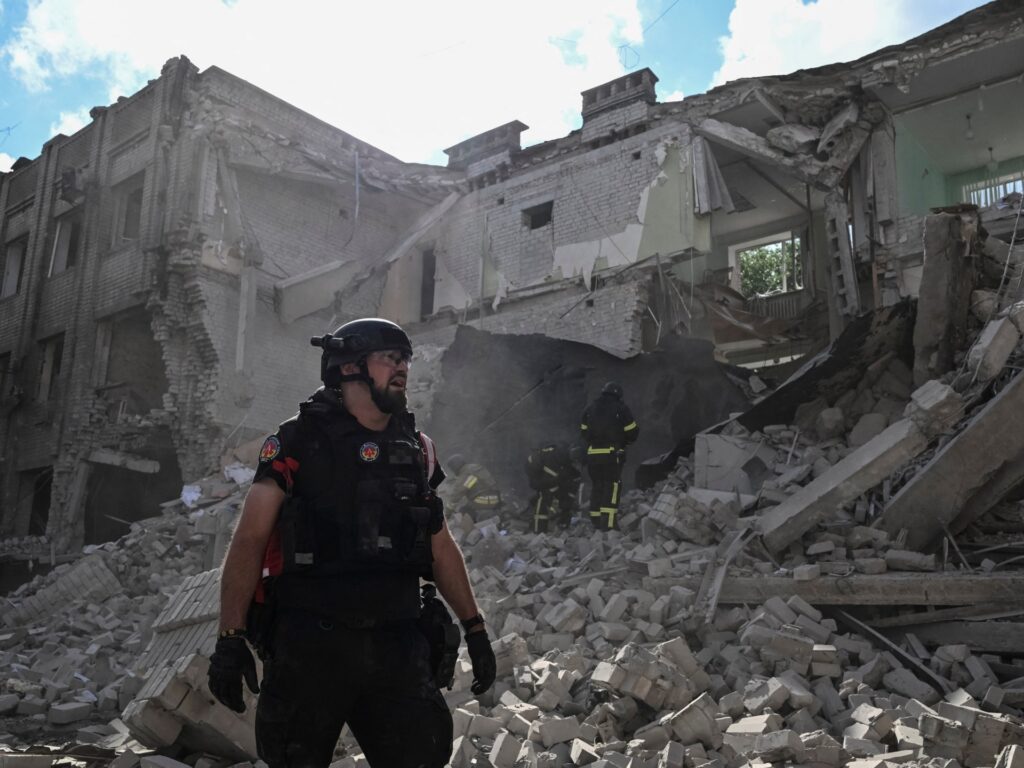
The ongoing conflict between Russia and Ukraine has taken a tragic toll as Russian attacks have resulted in the deaths of four individuals and left nine others injured in the city of Kramatorsk. Among the deceased is a teenager, underscoring the profound human cost of the hostilities.
The Ukrainian official confirmed that the recent Russian strikes specifically targeted Kramatorsk, a city that has seen significant combat activity and has been a focal point in the war. The attacks have further heightened tensions and illustrated the brutal reality faced by civilians caught in the crossfire.
In response, Ukrainian forces have intensified their efforts to cripple Russian military capabilities by targeting oil infrastructure critical to Russia’s war machinery. This strategic move aims to disrupt the supply lines and logistical support that fuel Russian operations in the region.
Ukraine’s actions against oil infrastructure indicate a shift toward weakening the economic and operational backbone of the Russian military. The destruction of oil facilities hampers fuel supplies, essential for ground and air operations, and could potentially slow down or halt Russian advances.
The civilian casualties reported in Kramatorsk highlight the severe impact of the conflict on non-combatants. With four lives lost, including that of a young teenager, and nine more injured, the humanitarian crisis continues to deepen as the war persists.
Local and international organizations have expressed concern over the escalating violence and the increasing civilian harm. Calls for ceasefires and peace negotiations have been reiterated, but the intensity of the fighting suggests a prolonged and difficult path toward resolution.
The targeting of oil infrastructure by Ukrainian forces is a calculated risk, as such facilities are often situated near populated areas, raising the likelihood of collateral damage and further civilian suffering.
Both sides remain entrenched in a protracted conflict marked by frequent missile strikes, ground offensives, and a war of attrition. The broader geopolitical implications of this war reverberate across Europe and beyond, influencing global energy markets and international diplomacy.
As the human toll mounts, the urgent need for diplomatic interventions and humanitarian support grows. The international community continues to monitor the situation closely, advocating for an end to hostilities and the establishment of a sustainable peace framework.
In summary, the recent Russian attacks in Kramatorsk that resulted in multiple fatalities, including a teenager, exemplify the tragic human cost of the conflict. Meanwhile, Ukraine’s strategic focus on disrupting Russian oil infrastructure demonstrates the evolving nature of warfare and the high stakes involved in this devastating war.