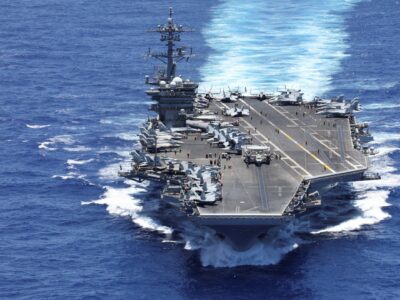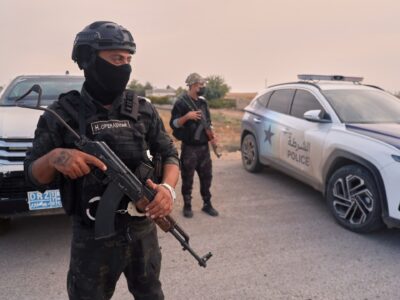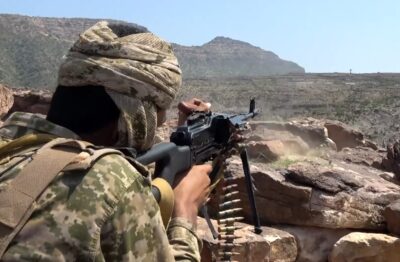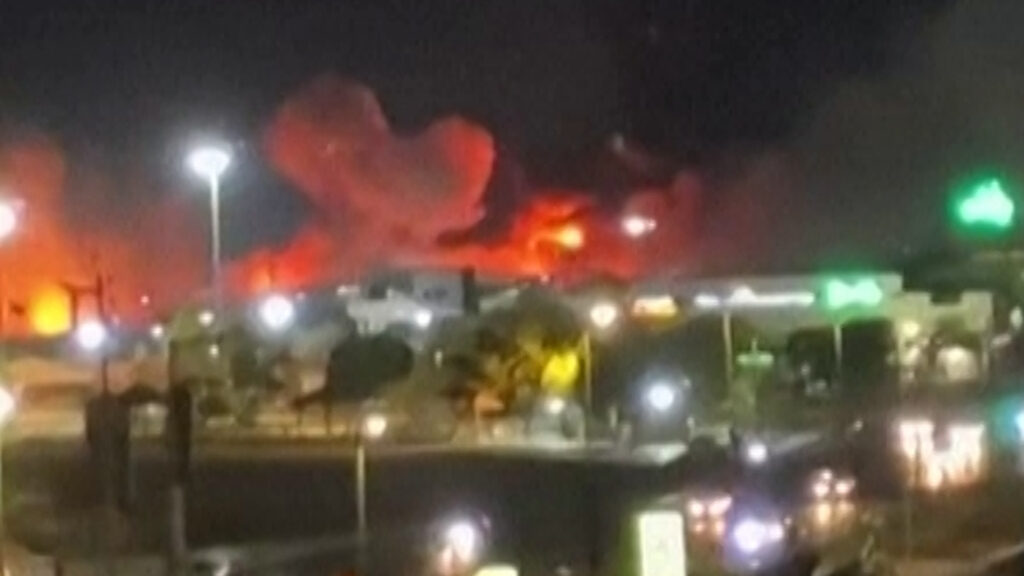
In a significant escalation of tensions, President Donald Trump has announced that the Memorandum of Understanding (MoU) with Iran is ‘over’ following recent attacks involving the United States and Iranian forces. The MoU, which was intended to serve as a framework for reducing hostilities and fostering diplomatic dialogue between the two nations, appears to have collapsed under the weight of renewed aggression.
The announcement came after a series of strikes that further destabilized an already fraught relationship. These attacks have underscored the fragile nature of the agreement, which many regarded as a stopgap rather than a long-term solution to the volatility in the region.
Both the United States and Iran have exchanged accusations and retaliatory actions in recent days. While the MoU was designed to prevent such escalations, the recent violence has made it clear that diplomatic efforts have faltered. President Trump’s declaration effectively signals a shift back towards confrontation and a hardening of policies toward Tehran.
The Memorandum of Understanding was initially hailed as a step toward de-escalation, providing a platform for dialogue and the possibility of easing sanctions in return for compliance on Iran’s part regarding its nuclear program and regional activities. However, incidents such as the latest attacks have eroded confidence on all sides.
Experts believe this breakdown could lead to a further increase in military and political tensions in the Middle East, with unknown consequences for global security. Allies and observers across the world are closely watching the situation, concerned about the potential for further conflict and disruption in oil markets.
The Trump administration has indicated that it will pursue a tougher stance with Iran, potentially including increased economic sanctions and military readiness measures. Meanwhile, Iranian officials have condemned the United States’ actions and hinted at the possibility of retaliatory moves, signaling a dangerous cycle of tit-for-tat hostilities.
This development marks a critical juncture in US-Iran relations, moving away from diplomacy and towards escalation. It raises serious questions about the future of peace efforts and the stability of the region. The international community is now faced with the challenge of managing this growing crisis without allowing it to spiral into full-scale conflict.
As both sides brace for what may come next, the world is reminded of the delicate balance required to maintain peace in a deeply divided geopolitical landscape. The end of the Memorandum of Understanding signifies not just a diplomatic failure, but a critical moment in the history of US-Iran relations that could have far-reaching implications for years to come.