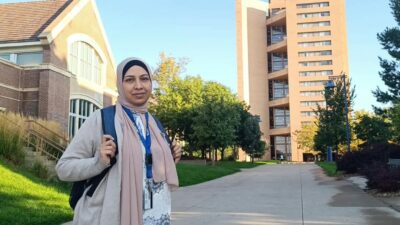
Mohammed al-Wahidi, an aid worker in Gaza, was tragically killed in an Israeli strike just minutes before a World Cup screening event he had organized was set to begin. The event was intended to bring people together in a moment of community and joy amidst the ongoing conflict in the region.
Al-Wahidi was known for his unwavering commitment to humanitarian efforts in Gaza, often going beyond the call of duty to support and uplift his community. The World Cup screening was one of his many initiatives aimed at providing a diversion and sense of normalcy for residents living under difficult circumstances.
The strike that killed al-Wahidi occurred moments before attendees started to gather, casting a pall over what was supposed to be an event full of camaraderie and celebration. Witnesses describe the shock and sorrow that spread among the community following news of his death.
This incident highlights the profound challenges faced by aid workers in conflict zones, where even the most peaceful gatherings can be abruptly disrupted by violence. It underscores the risks undertaken by those who strive to create safe spaces for connection and relief.
International observers have condemned the attack, calling for increased protections for humanitarian workers and civilian activities in war-affected areas. Many urge negotiators and combatants alike to respect basic human rights and to uphold the safety of non-combatants.
Al-Wahidi’s death is a stark reminder of the human cost of the ongoing conflict and the urgent need for peaceful resolution. His efforts to foster community spirit through events like the World Cup screening exemplify the resilience and hope that persist even in the face of adversity.
As the global community mourns his loss, there are calls to honor his legacy by supporting initiatives that promote peace and protect humanitarian work. Al-Wahidi’s dedication to serving others remains an inspiring example of courage and compassion.
The tragedy also brings into focus the broader humanitarian crisis in Gaza, where resources are limited and security is fragile. Aid workers like al-Wahidi play a crucial role in providing essential services and support to vulnerable populations.
In response to the incident, local organizations have reaffirmed their commitment to continue their work despite the risks, emphasizing the importance of solidarity and perseverance. The event planned by al-Wahidi is now remembered not only for its intended purpose but also as a symbol of the ongoing struggles faced by those living in Gaza.
As the World Cup draws global attention, the story of Mohammed al-Wahidi serves as a poignant call to remember those whose lives are affected by conflict far beyond the stadiums. His legacy urges a renewed focus on peace, protection, and humanitarian support in conflict zones worldwide.