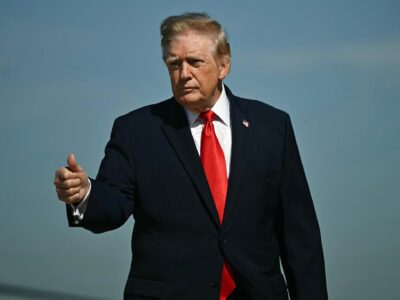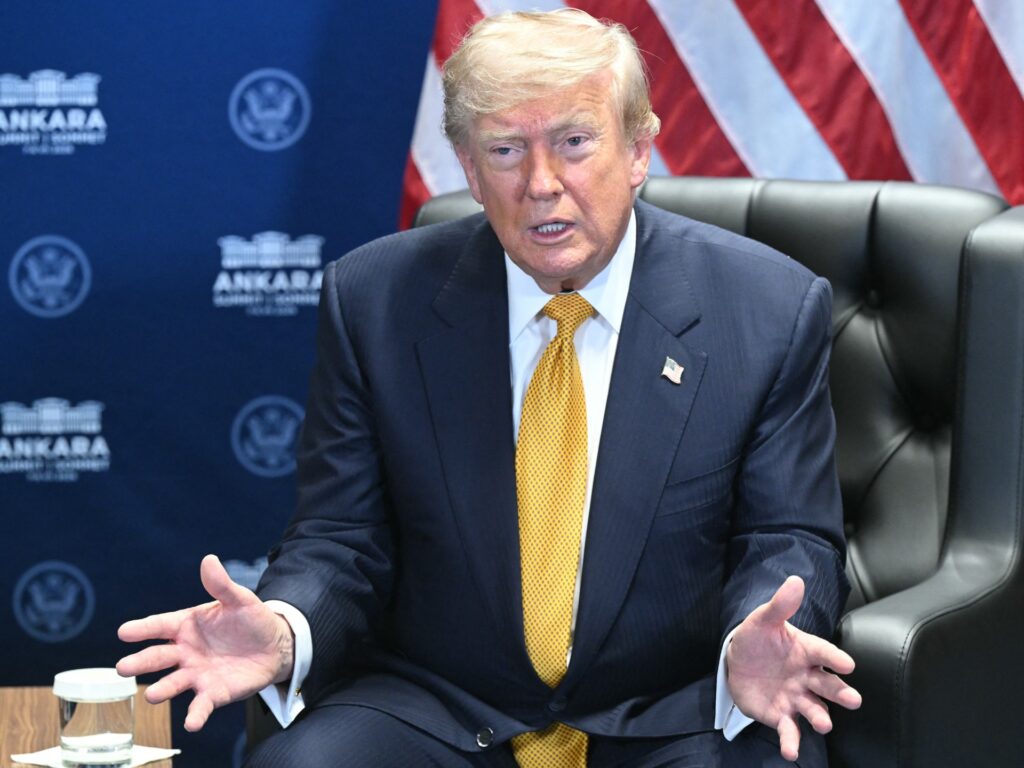
In a stark escalation of tensions between the United States and Iran, former President Donald Trump declared the ceasefire “over” during a speech at the NATO summit. Trump renewed his threats against Iran following a recent exchange of attacks, warning of potential military actions that could further destabilize the region.
Speaking to NATO allies, Trump highlighted the possibility of resuming a naval blockade against Iran, a move reminiscent of past confrontations. He also alluded to launching additional strikes on Iranian targets if provoked and controversially stated the United States might “take over” Kharg Island, a critical Iranian oil export hub in the Persian Gulf.
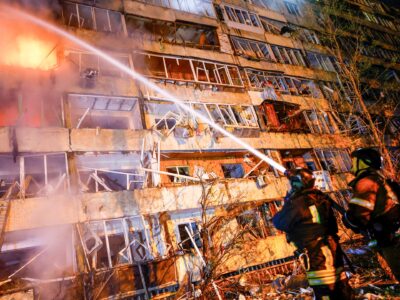
This rhetoric comes after days of tit-for-tat attacks between US forces and Iran-backed groups, which have raised fears of a wider conflict. The naval blockade, which was a feature of US strategy against Iran during Trump’s presidency, would effectively choke off Iran’s ability to export oil, exerting economic pressure but also risking considerable escalation.
Kharg Island, strategically important as Iran’s largest oil export terminal, has been a focal point in past military confrontations and economic sanctions. A US attempt to seize control over the island would mark a significant intensification of hostilities and could draw widespread international condemnation.
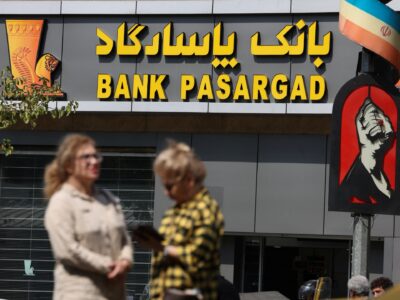
Trump’s comments underline the fragile state of US-Iran relations and the significant risks of military engagement. Analysts warn that renewed confrontations could disrupt global oil supplies and destabilize the Middle East further. NATO’s response at the summit was cautious, emphasizing the need for diplomacy while recognizing the challenges posed by Iran’s continued regional activities.
The international community is watching closely as the situation develops, with many advocating for de-escalation and a return to negotiations to prevent further violence. Meanwhile, Trump’s aggressive stance signals a possible return to hardline US policies in the region, reflecting his administration’s previous approach but raising concerns about the consequences of renewed conflict.
As both nations continue to trade attacks and threats, the global implications of their confrontation remain a critical issue for security, economy, and diplomacy worldwide.