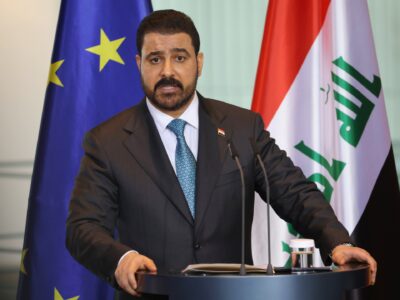
Nigel Farage, leader of UK Reform, has announced his resignation as a Member of Parliament (MP) amid mounting scrutiny over undeclared donations linked to the upcoming 2024 elections. The move comes after intense media and political pressure regarding his failure to declare certain financial contributions which are now under investigation.
Farage has stated that despite stepping down, he intends to run again in the subsequent by-election triggered by his resignation. This strategy appears aimed at reaffirming his parliamentary position and addressing the controversy directly through voter support.
The undeclared donations issue centers on sums received that were not properly reported in compliance with electoral funding laws. This has raised questions about transparency and adherence to political finance regulations within his party and campaign activities.
Political analysts suggest that Farage’s resignation and immediate plans to contest the by-election may be an attempt to control the narrative and demonstrate political resilience amid growing criticism. His supporters view this as a bold move to confront the allegations head-on, while critics argue it undermines trust in political accountability.
The by-election will now be closely watched as a litmus test for Farage’s continued influence within UK Reform and the broader political landscape. Should he fail to secure his seat again, it could signal significant repercussions for his political career and the party’s future.
Meanwhile, electoral authorities have indicated that investigations into donation disclosures are ongoing and that potential penalties or further actions will depend on the outcomes of these inquiries. The situation underscores the increasing vigilance over campaign financing in the UK ahead of the critical 2024 elections.
In summary, Nigel Farage’s resignation as an MP amid allegations of undeclared donations has set the stage for a politically charged by-election. His decision to contest the by-election reflects a gamble to maintain political relevance while navigating legal and ethical challenges. The unfolding events will have substantial implications for electoral integrity and the dynamics of UK Reform heading into the forthcoming general elections.