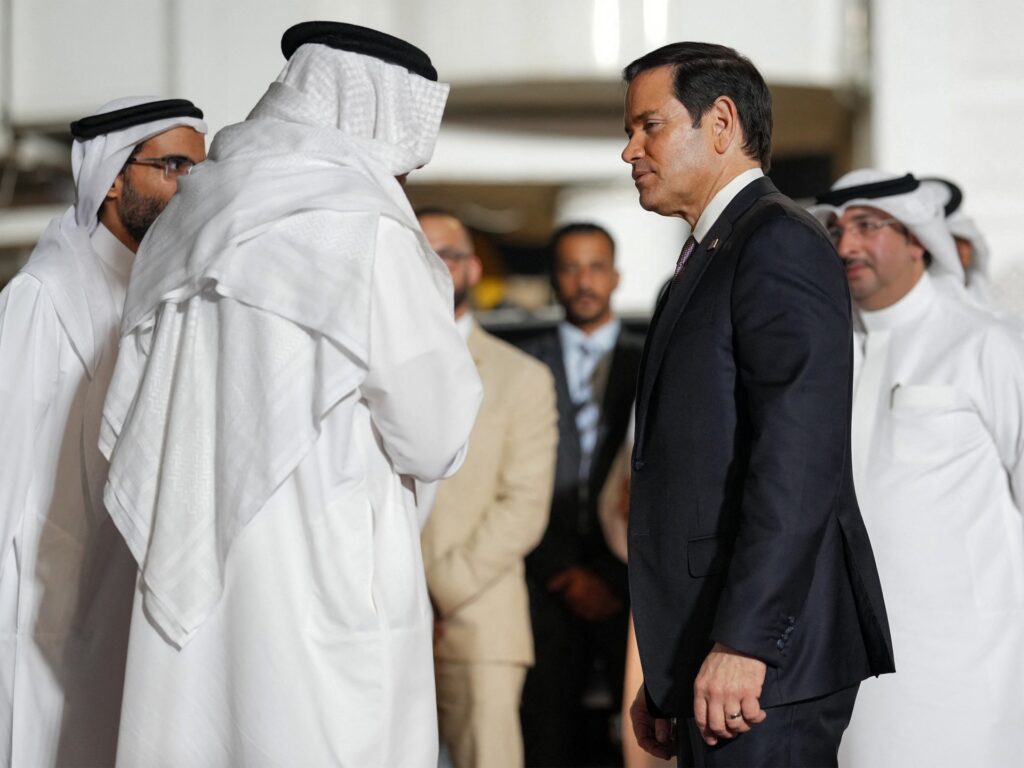
Senator Marco Rubio recently embarked on a diplomatic tour across Gulf countries to reassure regional allies following the announcement of the US-Iran framework agreement. This agreement, reached last week, marks a significant development in the ongoing efforts to manage nuclear tensions and promote stability in the Middle East.
During his visit, Rubio emphasized that the deal is designed with the security interests of Gulf states in mind. He conveyed the message that the United States remains committed to ensuring that the agreement does not compromise the defense capabilities or sovereignty of the Gulf countries. This reassurance comes as Gulf allies express concerns about potential ramifications of the US re-engagement with Iran.
Rubio’s tour, the first high-level diplomatic mission since the framework deal, underlines the importance Washington places on maintaining strong ties with its Arab partners. It also seeks to mitigate fears about Iran gaining increased influence as a result of the accord. Throughout his discussions, Rubio highlighted the necessity for continued vigilance and cooperation among Gulf nations and the US to counter any destabilizing activities.
The framework agreement, aimed at reviving the 2015 nuclear deal, involves limiting Iran’s nuclear program in exchange for the lifting of certain economic sanctions. Critics of the deal worry it might embolden Iran’s regional ambitions, particularly in countries like Yemen, Syria, and Lebanon.
Rubio’s engagement with Gulf leaders also included dialogues about enhancing intelligence sharing, strengthening missile defenses, and collaborating on counterterrorism measures. His presence signals a proactive approach to addressing Gulf security concerns in the rapidly evolving geopolitical landscape.
In summary, Rubio’s diplomatic mission serves to bridge gaps between the US and its Gulf allies post-agreement, assuring them that their security remains paramount even as the US seeks a diplomatic path with Iran. The visit reflects a balancing act between advancing nuclear non-proliferation goals and upholding regional security alliances.
As discussions continue, the Gulf nations watch closely to ensure the terms of the deal do not undermine their strategic interests. Rubio’s advocacy underscores Washington’s recognition of these sensitivities and its commitment to a collaborative regional security framework.