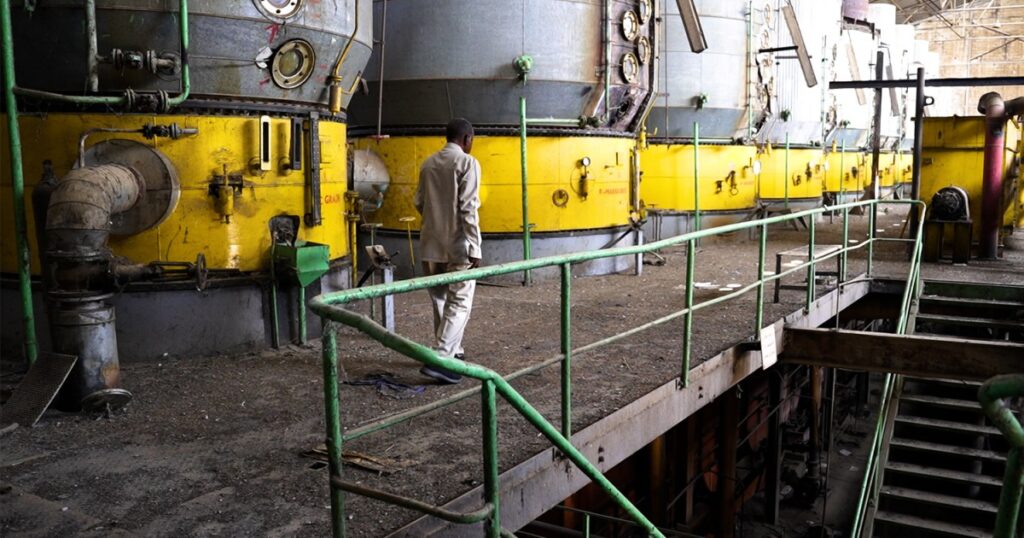
Sudan is currently grappling with the extensive aftermath of a devastating war that has severely impacted its industrial sector. Factories across the country, which once thrived and provided employment to thousands, are struggling to reopen and resume operations. The wartime losses have left many workers jobless and have disrupted the production chains that fuel the nation’s economy.
The conflict not only destroyed physical infrastructure but also undermined the economic stability of factory owners and employees alike. Many industrial facilities were damaged or completely destroyed, leaving them inoperable and requiring significant investment and time for repairs—resources that are currently scarce.
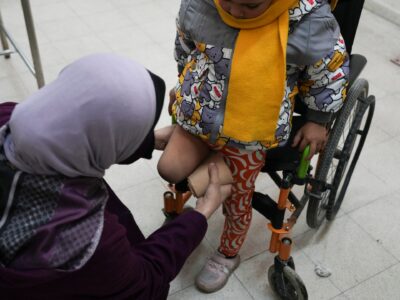
For the workers, the war’s impact has been particularly harsh. The sudden loss of jobs has pushed many families into financial hardship, increasing poverty rates and reducing household incomes. Without steady employment, the ability to purchase essential goods has diminished, further straining their quality of life.
Consumers across Sudan are feeling the pinch as well. The disruption in factory production has led to shortages of goods on the market. This scarcity has caused prices to soar, making everyday necessities less affordable for the average consumer. The inflationary pressure not only hurts individuals but also slows down overall economic recovery.
Efforts to revive the industrial sector are underway but face numerous challenges. Rebuilding infrastructure requires funding that is hard to secure in a post-conflict environment. Additionally, the instability resulting from ongoing tensions continues to deter investors and delay reconstruction.
International humanitarian organizations and development agencies have started to provide aid aimed at rehabilitating factories and supporting displaced workers. These efforts include vocational training programs designed to help former employees acquire new skills, making them adaptable to the changing industrial landscape.
The government has announced plans to prioritize industrial recovery as a cornerstone of broader economic restoration initiatives. Policy measures aimed at improving the business climate, providing tax incentives for factory reconstruction, and ensuring security to protect investments are being developed.
However, the road to full recovery is expected to be long and arduous. The wartime devastation has left deep scars on Sudan’s economy, and rebuilding its industrial capacity will require sustained commitment from both domestic stakeholders and the international community.
In conclusion, the struggle of Sudan’s factories to restart after wartime destruction highlights the intricate link between peace, economic stability, and social well-being. Restoring industrial production is crucial not only for creating jobs and stabilizing prices but also for fostering hope and resilience among Sudan’s population.