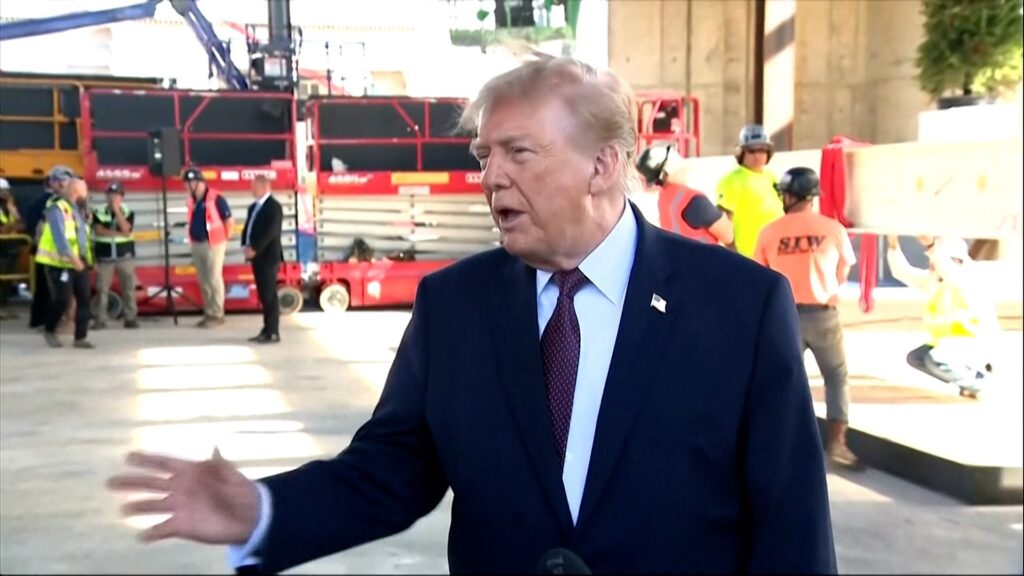
Former President Donald Trump has attributed the Republican Party’s setbacks in the recent midterm elections to the ongoing conflict with Iran. Trump suggested that the war in Iran played a significant role in dampening Republican voter enthusiasm and swaying the election results against the party.
Speaking to the media, Trump expressed his belief that the conflict overseas created a challenging political environment that contributed to the Republicans’ underperformance. He emphasized that concerns over military engagement and foreign policy issues influenced voters’ decisions at the polls.
The midterms witnessed unexpected outcomes with Democrats gaining ground in key races, causing setbacks for the Republican Party in both the House and Senate. Analysts have speculated that various factors were at play, including domestic issues and voter turnout, but Trump’s comments highlight the impact he believes the Iran war had on the election.
This perspective aligns with broader concerns among some Republicans that protracted military engagements and foreign conflicts can undermine electoral performance by diverting public attention and resources, and by increasing voter anxiety.
Trump’s remarks have sparked discussions within political circles about the influence of foreign policy decisions on domestic electoral outcomes. Some party members are reevaluating strategies to address voter concerns about international conflicts ahead of future elections.
The war in Iran, which has escalated in recent months, remains a contentious issue in American politics. Public opinion is divided, with some advocating for a more robust military approach while others call for diplomatic resolutions and de-escalation.
As the Republican Party seeks to regroup and strategize for upcoming electoral challenges, the Iran war’s political ramifications are expected to remain a focal point of debate. Trump’s comments underscore the delicate balance elected officials must maintain between foreign policy commitments and domestic political considerations.
Overall, the assertion that the Iran conflict contributed to the Republican losses adds a complex dimension to post-midterm analysis. It also highlights the ongoing interplay between international events and U.S. electoral politics, reminding political leaders of the broad consequences of war on their political fortunes.