The Strait of Hormuz, a critical chokepoint for global oil shipments, is also a strategic naval zone that can be vulnerable to maritime mines. Minesweeping in this region is a meticulous and high-risk process that involves detecting and neutralizing underwater mines using advanced techniques and specialized equipment.
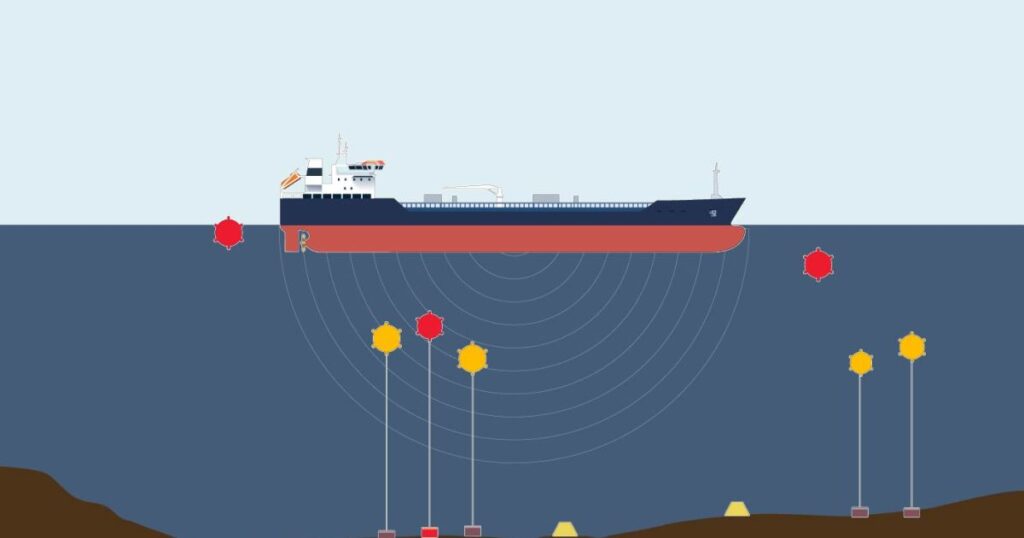
Minesweeping operations are crucial for ensuring the safe passage of commercial and military vessels. The process begins with locating mines, which is challenging due to the varied seabed and water conditions. Minesweeping teams use sonar systems to scan large areas of the seabed to identify potential threats.
Once a mine is detected, remotely operated vehicles (ROVs) or human-diver teams are deployed to closely inspect and identify the device. These mines can be moored, drifting, or resting on the seabed, each requiring different clearance methods.
Traditional minesweeping involves towing magnetic or acoustic sweeping gear to simulate ship signatures, triggering mines to detonate safely away from vessels. This technique is effective against certain types of mines but has limitations in complex environments like the Strait.
Modern minesweepers employ advanced technology, including unmanned surface vessels equipped with high-resolution sonar and mine disposal systems. These vessels reduce risk to human life by remotely locating and deactivating mines.
Explosive ordnance disposal (EOD) teams use controlled charges or special cutters to neutralize mines, ensuring they do not damage passing ships. Precision and coordination are vital to prevent accidental detonations during clearance operations.
Environmental factors, such as strong currents, limited visibility, and narrow navigation channels in the Strait of Hormuz, add complexity to minesweeping missions. The slow pace of clearance helps ensure thoroughness and safety but also means operations can take days or longer.
International naval coalitions often collaborate in minesweeping efforts to maintain maritime safety in the region, given its global economic importance.
In summary, minesweeping in the Strait of Hormuz is a slow, high-risk operation conducted with specialized techniques, combining advanced technology and expert human intervention to safeguard vital shipping routes.