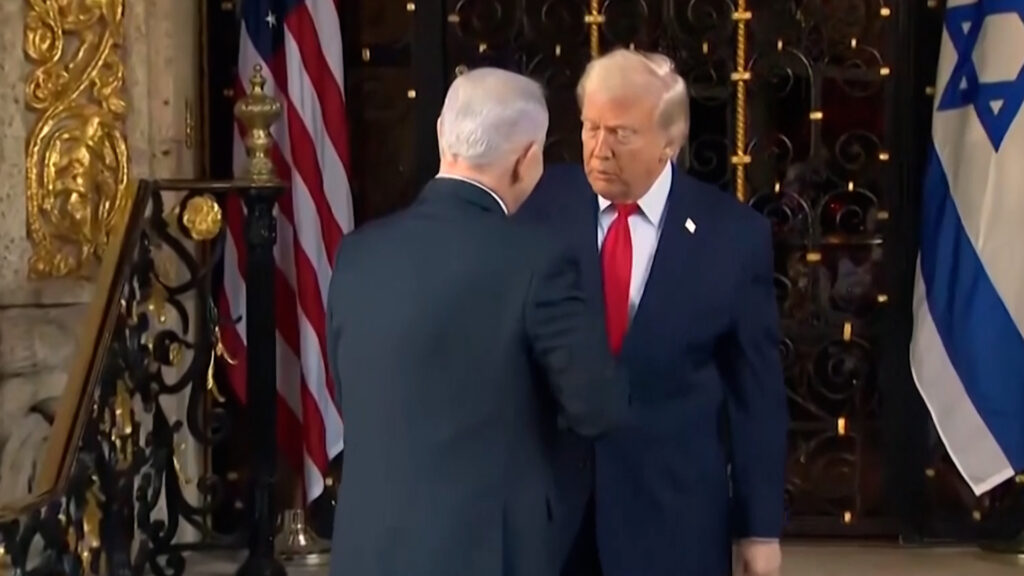
Amid escalating tensions surrounding the US-Iran nuclear agreement, key allies of former President Donald Trump have been actively engaging with Israeli officials to offer reassurance and support. The backdrop to this heightened diplomatic activity is the renewed concerns in Israel regarding the potential outcomes of the ongoing negotiations between the United States and Iran.
Israeli leaders have historically viewed Iran’s nuclear ambitions as a significant threat to regional security, expressing skepticism towards any deal that might ease sanctions on Tehran without stringent restrictions and verifiable monitoring mechanisms. Former President Trump’s administration was known for its hardline stance against Iran, withdrawing from the Joint Comprehensive Plan of Action (JCPOA) in 2018 and reinstating sweeping economic sanctions.
In the current scenario, as the Biden administration seeks to revive parts of the JCPOA under strict conditions, there has been unease within Israeli political circles about the potential diplomatic concessions and their impact on regional stability. It is within this context that prominent Trump allies have stepped in to communicate a message of solidarity with Israel.
These allies have articulated that while the US administration may be pursuing diplomatic avenues, they acknowledge and respect Israel’s security concerns. They emphasize that any agreement with Iran should not compromise Israel’s ability to defend itself and that robust measures must be maintained to prevent Iran from obtaining nuclear weapons capabilities.
Furthermore, they have voiced support for continued US military cooperation with Israel and pledged to ensure that Israel remains a key strategic partner in Middle Eastern security matters. This reassurance also extends to intelligence-sharing and joint operations aimed at countering Iranian influence and activities in the region.
The involvement of Trump’s close political circle serves to bridge concerns between the current US administration’s policies and Israel’s strategic interests. It also highlights the bipartisan nature of US-Israel relations, stressing that despite differing approaches, the commitment to Israel’s security remains a cornerstone of American foreign policy.
Israeli officials have welcomed these reassurances but continue to advocate for vigilance and a cautious approach towards any nuclear agreement with Iran. The Israeli government underscores the importance of a deal that unequivocally prevents Iran from developing nuclear weapons and curbs its regional meddling through proxy groups and ballistic missile programs.
As negotiations persist, the dialogue between Trump allies and Israeli leaders signifies an effort to maintain unity and clarity in messaging, mitigating any fears that the new US policies might undermine Israel’s security. It also sends a signal to Iran and the international community that the US-Israel alliance remains strong, resilient, and dedicated to countering threats posed by Tehran.
In summary, the reassurance provided by Trump’s allies to Israeli officials amid the complexities of the US-Iran nuclear deal negotiations is a testament to the enduring and multifaceted US-Israel relationship. This engagement aims to safeguard Israeli concerns, promote regional stability, and ensure that diplomatic efforts do not come at the expense of security imperatives in the Middle East.