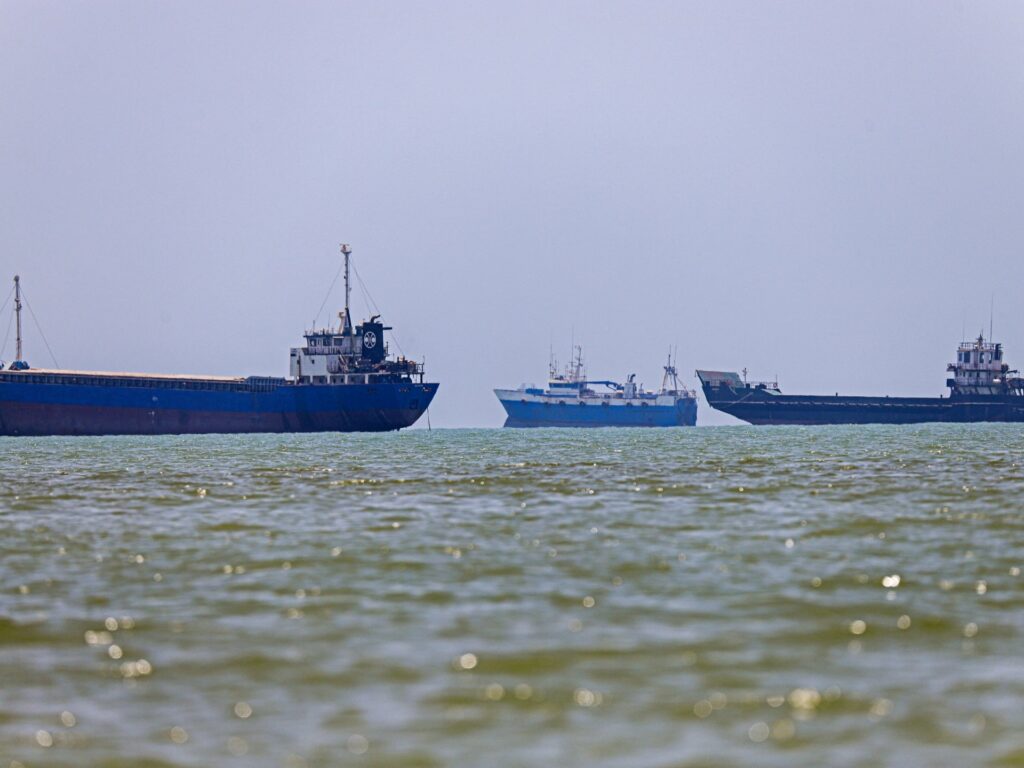
In the wake of escalating conflict following the initiation of the US-Israel war on Iran on February 28, the United Nations has commenced an urgent evacuation operation to rescue approximately 11,000 sailors stranded in the Strait of Hormuz. This critical and strategic waterway, which serves as a pivotal conduit for global oil shipments, has been effectively sealed off by Tehran, deepening the maritime crisis.
The Strait of Hormuz is one of the world’s most important choke points for the passage of petroleum. Nearly a fifth of the global seaborne oil trade passes through this narrow passage connecting the Persian Gulf with the Gulf of Oman and the Arabian Sea. The closure of the strait by Iranian forces has resulted in significant disruption not only to the flow of goods but also to the safety and mobility of maritime vessels operating in the region.
The conflict began when US and Israeli forces launched coordinated military actions against Iran, leading to Tehran’s decision to block maritime traffic through the strait. This has raised concerns of a broader regional conflict and has prompted the international community to seek urgent solutions to avert a humanitarian disaster involving seafarers caught in the blockade.
The United Nations’ evacuation mission is described as one of the largest of its kind in recent history, reflecting the severity of the situation. Efforts to extract sailors have involved coordination with naval vessels from various countries in the region, aiming to ensure the safe passage of stranded crews to secure locations.
Sailors, many of whom are from diverse nationalities, have been trapped on commercial and cargo ships, unable to disembark or leave the hazardous zone. The prolonged standoff has also raised economic concerns, as shipping companies face increasing costs and risks due to the impasse.
International maritime law experts have weighed in, highlighting the legal complexities surrounding the closure of an international waterway vital for trade and security. The blockade is seen not only as a military tactic but also as an economic lever aimed at pressuring adversaries.
Global leaders have called for de-escalation and dialogue to resolve the crisis peacefully. The UN Secretary-General emphasized the importance of reopening the strait to maintain the free flow of commerce and protect the lives of civilians caught in conflict zones.
The evacuation operation continues amidst ongoing diplomatic talks and efforts to negotiate safe passage. This humanitarian initiative underscores the broader implications of regional conflicts on international trade routes and the safety of maritime workers.
As tensions remain high, the international community watches closely, hoping for a swift resolution that will restore stability to the Strait of Hormuz and safeguard one of the world’s most critical maritime corridors.