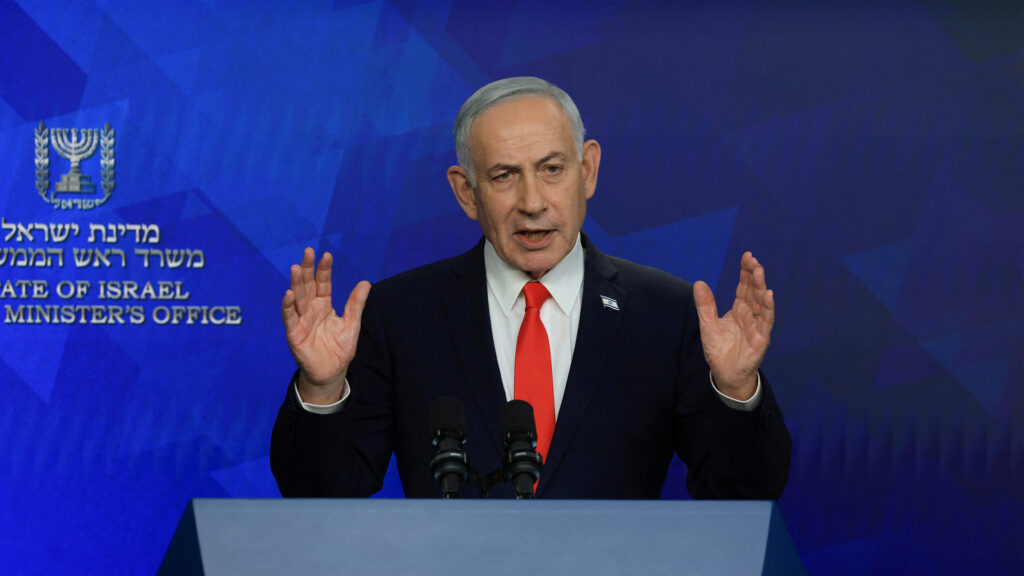
Israeli Prime Minister Benjamin Netanyahu is currently under intense pressure following his exclusion from the recent US-Iran agreement. The diplomatic deal, aimed at addressing tensions and nuclear concerns in the Middle East, unfolded without significant Israeli involvement, causing unease within Netanyahu’s administration. This development marks a challenging moment for Netanyahu, who has been a vocal critic of Iran’s nuclear ambitions and has sought to play a central role in regional diplomacy.
The absence of Israel from the negotiation table has sparked debates among Israeli political circles, with opposition leaders criticizing the government for missing an opportunity to influence terms that directly affect Israel’s security. Netanyahu’s supporters argue that the Israeli leadership was informed and involved to the extent possible, but the unilateral approach of the US has sidelined Israel’s input.
The agreement between the US and Iran is intended to curb Iran’s nuclear program through renewed restrictions and monitoring, aiming to prevent nuclear weapons development. However, Israel’s security concerns were reportedly not fully addressed in the terms, leading to apprehensions about future threats.
Experts suggest that Netanyahu’s diplomatic standing may be compromised as the international community advances without integrating Israel’s perspectives. Domestically, Netanyahu faces pressure to reassure the public and lawmakers about Israel’s strategic readiness amid evolving geopolitical dynamics.
The political ramifications within Israel could be significant, potentially impacting Netanyahu’s leadership and future policy directions. Critics see this as a moment for Israeli policymakers to reconsider their approach to international alliances and regional security strategies.
In response to mounting criticism, Netanyahu’s office has emphasized ongoing communication with US officials and a commitment to safeguarding Israel’s interests. Nevertheless, the episode highlights the complexities and challenges of Middle Eastern diplomacy, where competing interests often collide.
As the US-Iran agreement progresses, Israel’s role and influence in the region remain critical yet complicated. Netanyahu’s ability to navigate this diplomatic setback and maintain both domestic and international support will be pivotal in shaping the future security landscape of the Middle East.