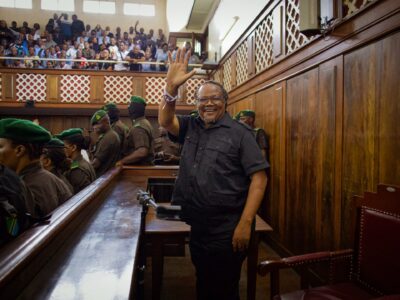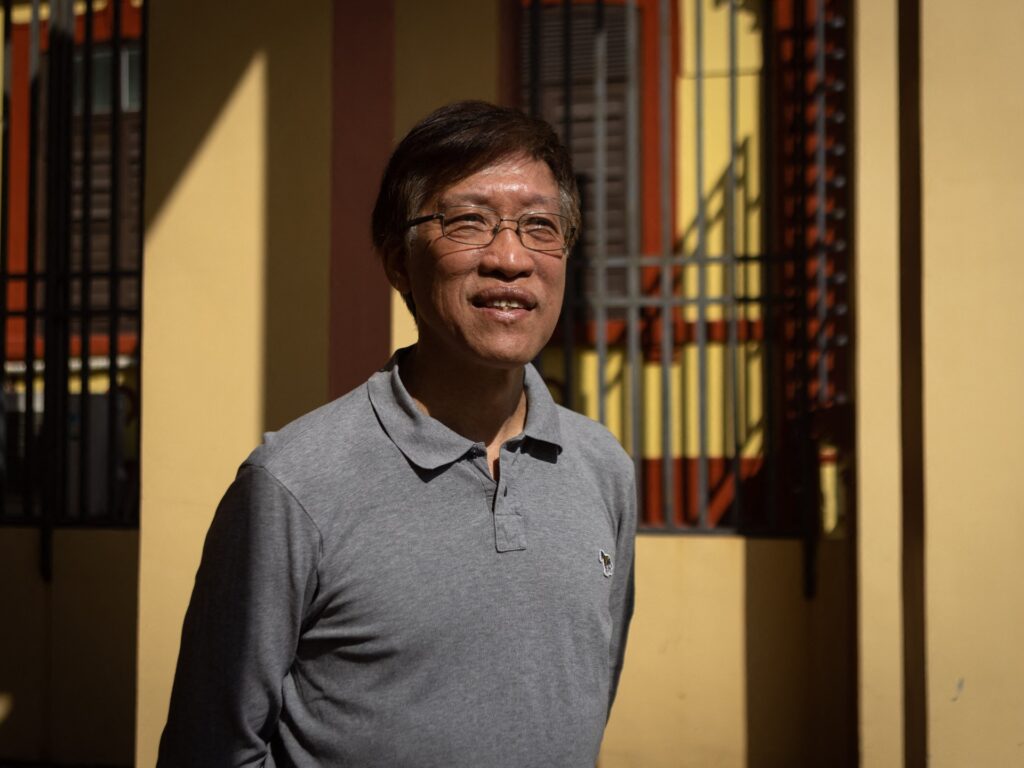
In a significant legal development in Macao, former pro-democracy politician Au Kam-san has been sentenced to 12.5 years in prison. The court found Au Kam-san guilty of charges related to spreading false information and engaging in subversion, actions which were deemed an attempt to disrupt Macao’s upcoming 2024 elections.
Au Kam-san, a known figure in Macao’s pro-democracy movement, faced serious allegations that challenged the stability of the region’s political process. The charges reflect the government’s stringent stance on activities it views as threats to its electoral integrity and social order.
The court’s verdict emphasized that Au Kam-san’s actions were not only aimed at disseminating misinformation but also intended to undermine the electoral procedures critical to Macao’s governance structure. This conviction marks one of the most severe penalties related to political dissent in the region in recent years.
The case has drawn attention both locally and internationally, highlighting ongoing tensions between pro-democracy activists and government authorities in Macao. Critics argue that the charges and subsequent sentencing may be part of broader efforts to stifle opposition voices ahead of important electoral events.
Supporters of Au Kam-san have expressed concerns over the fairness of the trial and the implications for democratic freedoms in Macao. They claim the harsh sentence sends a chilling message to activists and may deter political participation and advocacy.
On the other hand, government officials have defended the legal actions as necessary to preserve public order and ensure that electoral processes are free from interference and manipulation. Authorities stress the importance of maintaining social stability and upholding the rule of law.
This case is set against the backdrop of increasing scrutiny of Macao’s political environment, especially as the 2024 elections approach. Observers are closely watching how the legal and political landscapes evolve in response to challenges from opposition figures and activists.
It remains to be seen how this precedent will influence future political activities and the broader struggle for democratic rights within Macao. The sentencing of Au Kam-san is likely to have lasting repercussions on the region’s political dynamics and on the strategies employed by both government and pro-democracy groups.
As Macao moves forward, the balance between maintaining security and allowing space for political expression continues to be a contentious and pivotal issue. The global community will be watching closely to assess the implications for governance and human rights in this unique administrative region.