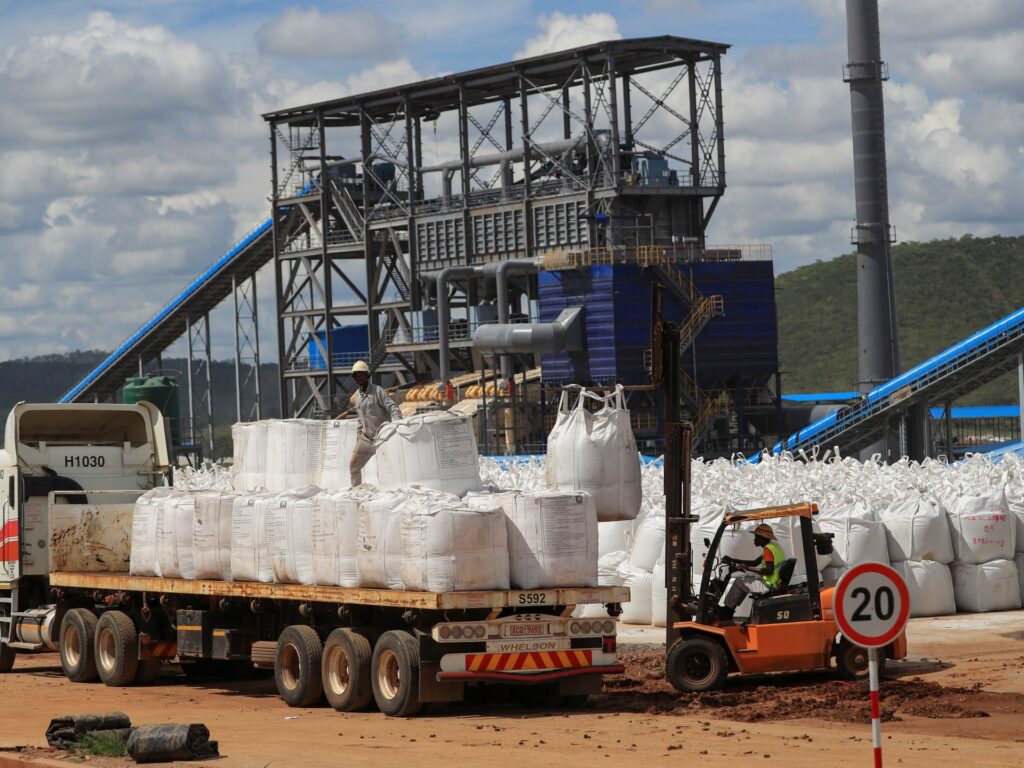
Zimbabwe, a country rich in mineral resources, is currently experiencing a boom in its lithium sector. Lithium, a critical component in batteries for electric vehicles and portable electronics, has seen soaring demand globally. This surge has attracted numerous new projects and foreign-backed mining operations, reshaping Zimbabwe’s lithium landscape. However, the benefits from this boom appear to be unevenly distributed among local communities and stakeholders.
Zimbabwe holds some of the largest lithium deposits in Africa, primarily located in the Bikita and Kamativi regions. The government has welcomed foreign investment aggressively, aiming to capitalize on the lithium rush. Companies from China, Australia, and other countries have invested heavily in mining infrastructure, bringing capital and technical expertise to the sector.
The influx of foreign investment has generated jobs and boosted economic activity in mining areas. Local employment has increased, with new opportunities in mine operation, transportation, and supply services. Moreover, taxes and royalties from lithium exports contribute to national revenues, which the government plans to use for broader economic and social development.
Despite these positive impacts, the local communities near lithium mining sites often see limited benefits. Many residents report that mining operations disrupt their livelihoods, including farming and access to clean water. Environmental concerns such as land degradation and pollution have also been raised, threatening local ecosystems and health.
Furthermore, the economic gains from lithium exports are sometimes concentrated among foreign investors and government elites. Issues such as lack of transparency, corruption, and inadequate regulation have hindered the equitable distribution of mining revenues. Small-scale miners and local businesses frequently struggle to compete in the market dominated by large multinational corporations.
Zimbabwe’s government has recognized some of these challenges and is working toward policies that promote more inclusive growth. Initiatives include encouraging local partnerships, enforcing environmental regulations, and investing in community development projects financed by mining profits.
The lithium boom in Zimbabwe illustrates the complex dynamics of natural resource wealth in developing countries. While it provides significant opportunities for economic advancement, careful management is essential to ensure that the benefits extend beyond foreign companies and political elites to the broader population.
Going forward, sustainable development in Zimbabwe’s lithium sector will require stronger governance, greater transparency, and meaningful engagement with local communities. Only then can the country fully harness its lithium wealth to drive long-term prosperity and social equity.