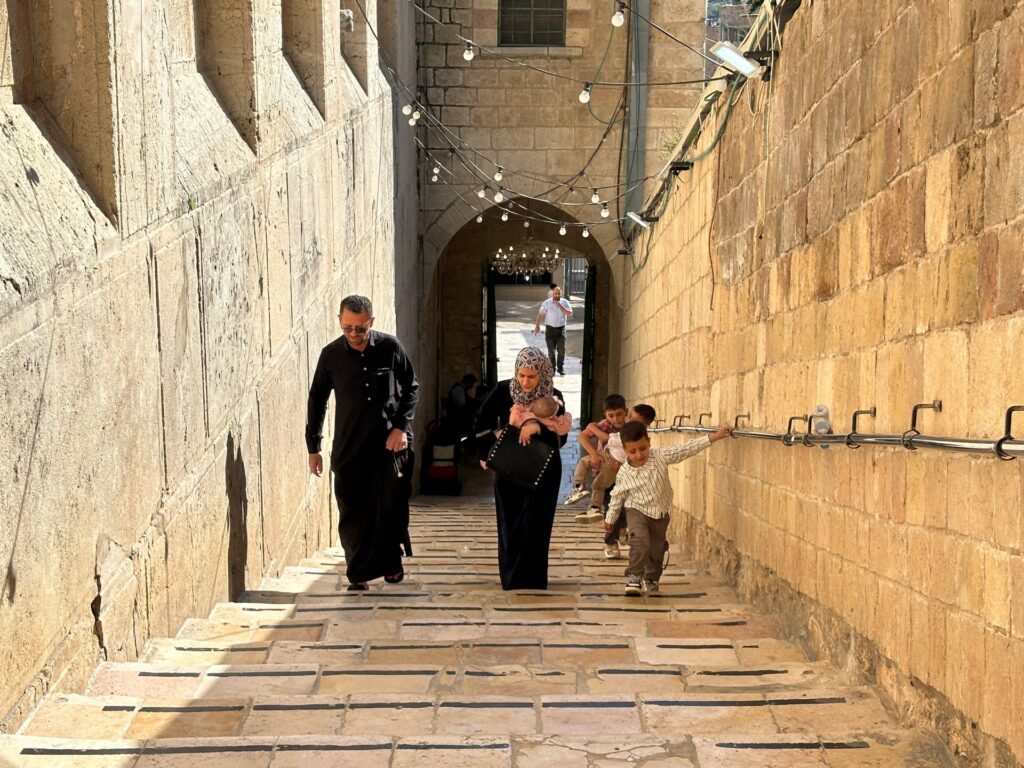
Israel’s recent move to take control of the Ibrahimi Mosque in Hebron marks a significant shift in the governance and security landscape of the city. This mosque, located in Hebron, one of the West Bank’s most sensitive and historic cities, has long been a flashpoint in the Israeli-Palestinian conflict. Under the 1997 Hebron Agreement, Palestinians had authority over planning and construction throughout the entire city, a framework that allowed for local governance of civil affairs.
The Ibrahimi Mosque, also known as the Cave of the Patriarchs, holds deep religious significance for both Muslims and Jews, making any change in control a matter of intense dispute and interest. Israeli security forces gaining control suggest a strategic shift, likely aimed at enhancing security management and addressing tensions that have historically erupted around this site.
This development carries multiple implications:
1. **Security Measures**: Israeli control may lead to increased security protocols. While this might reduce immediate violence, it may also foster resentment among Palestinians who view this change as an encroachment.
2. **Political Ramifications**: The move challenges the terms of the Hebron Agreement, in which Palestinians oversaw planning and construction. This could undermine Palestinian administrative authority in the city at large.
3. **Impact on Daily Life**: Changes in control over the mosque and surrounding areas could affect Palestinian residents’ freedom of movement, access to religious sites, and urban development.
4. **International Reactions**: Given the mosque’s significance, this action may draw responses from international actors concerned with preserving the status quo and promoting peace negotiations.
5. **Historical Context**: Hebron has been a focal point of tension, with a history of violent incidents and contestation over sovereignty. Control over Ibrahimi Mosque is emblematic of the broader struggle over Hebron and the West Bank.
In conclusion, Israel’s takeover of the Ibrahimi Mosque in Hebron is more than a simple security adjustment; it signifies a pivotal moment that could reshape administrative control, security dynamics, and the sociopolitical fabric of Hebron. How this change will impact Israeli-Palestinian relations, urban management, and peace prospects remains closely watched by all stakeholders involved.