A recent report has shed light on a significant arms deal involving rocket launchers between Russia and Iran, signaling a deepening of the strategic partnership between the two nations. This development comes at a time when high-level talks have been underway to enhance cooperation across multiple sectors, including security and defense.
The deal reportedly includes the transfer of advanced rocket launcher systems from Russia to Iran, representing a substantive boost to Iran’s military capabilities. This agreement is emblematic of broader efforts by both countries to strengthen their bilateral relations amidst a shifting geopolitical landscape.
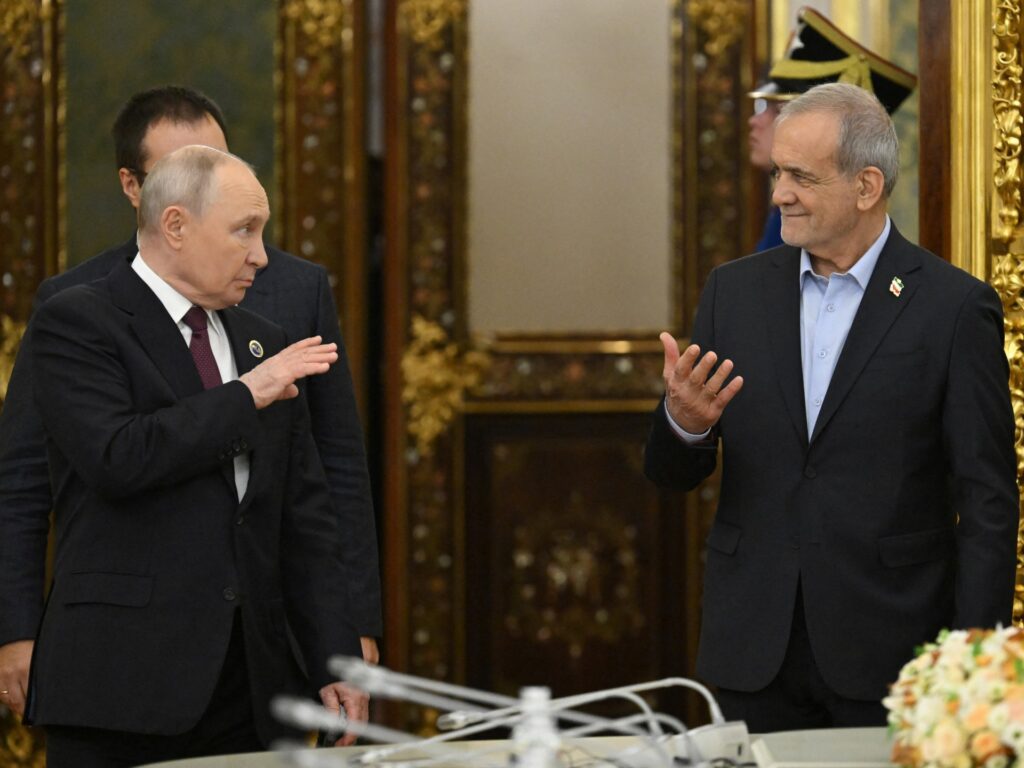
Simultaneously, Mohsen Rezaei, a top security official from Iran, has been engaged in discussions with Russian President Vladimir Putin. The focus of these talks is a developing cooperation treaty aimed at bolstering collaboration between the two nations in areas such as defense, intelligence sharing, and regional security.
Experts view this agreement and the ongoing negotiations as part of Russia and Iran’s strategic maneuvering to counterbalance Western influence in the Middle East and beyond. Both countries have faced international sanctions and diplomatic pressure, which has encouraged them to seek closer integration and mutual support.
The rocket launcher deal not only enhances Iran’s defense posture but also signals Russia’s willingness to expand its military partnerships amidst global tensions. This move may have implications for regional power dynamics, particularly concerning conflicts in Syria and other hotspots where both nations have vested interests.
Furthermore, the cooperation treaty under discussion could pave the way for expanded joint military exercises, intelligence cooperation, and technological exchanges. This would deepen the military-industrial collaboration and potentially reshape power balances in the region.
The geopolitical implications of these developments are far-reaching. Western countries and regional actors will be closely monitoring this partnership, given its potential to alter security calculations. It also underscores the persistence of Russia and Iran in forging alliances that challenge the existing international order.
Analysts caution that this growing alliance may exacerbate existing regional conflicts and complicate peace efforts. Nevertheless, from the perspective of Moscow and Tehran, strengthening ties provides strategic leverage and resilience against external pressures.
In summary, the rocket launcher deal between Russia and Iran is a clear indicator of the evolving and deepening relationship between the two nations. Coupled with high-level negotiations on cooperation treaties, these moves highlight a concerted effort to build a robust strategic partnership that addresses mutual security concerns and geopolitical challenges.