Canada is facing a significant and concerning shift in how it handles migrant and refugee rights, marking a departure from its longstanding reputation as a welcoming and inclusive nation. Experts and advocates have voiced alarm that the country is increasingly ‘closing the doors’ on migrants and refugees, driven by evolving socioeconomic challenges that are reshaping public and political attitudes towards immigration.
For decades, Canada has been recognized globally for its progressive immigration policies and commitment to refugee protection. These policies not only reflect humanitarian values but have also contributed to Canada’s economic growth and multicultural fabric. However, recent developments indicate a growing reticence among Canadian authorities and politicians to maintain this open-door approach.
Several factors underpin this shift. Socioeconomic pressures such as housing shortages, rising unemployment in certain regions, and strains on social services have created an environment where immigration is perceived by some as a burden rather than an asset. These concerns have been amplified by media coverage and political rhetoric, which often link increased immigration to broader economic and social challenges.
Moreover, changes in policy and enforcement practices reveal a tougher stance on immigration. This includes stricter border controls, more rigorous application processes for asylum seekers, and increased detentions and deportations. Human rights organizations and experts argue these measures undermine Canada’s legal and moral commitments to protect vulnerable populations fleeing conflict and persecution.
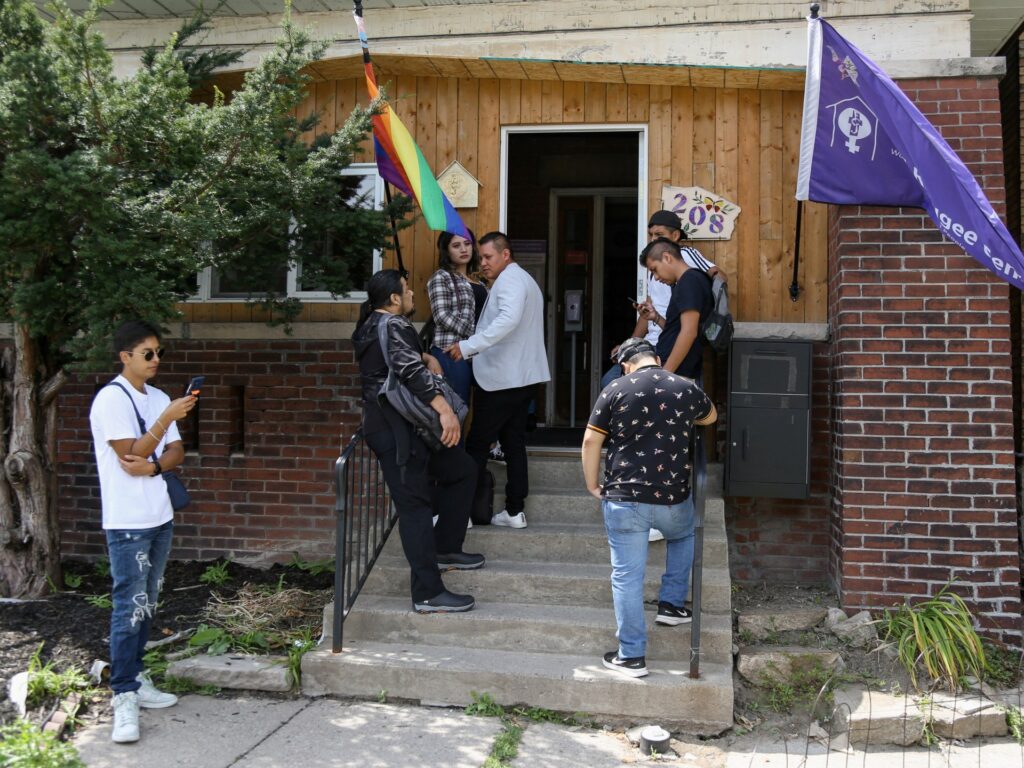
The impact of these policy shifts is profound. Refugees and migrants face greater uncertainty and hardship, often caught in bureaucratic delays or subjected to punitive measures. Community organizations that support these populations report rising demand for assistance amid shrinking resources, highlighting a widening gap between government action and the needs of migrants.
Experts note that this ‘troubling’ turn challenges Canada’s identity as a global leader in human rights and humanitarianism. The erosion of trust in the immigration system also has broader implications for social cohesion, as marginalized groups feel increasingly alienated.
In response, civil society activists, legal advocates, and some policymakers are calling for renewed commitments to uphold the principles of equity and justice in immigration policy. They emphasize that addressing socioeconomic issues through comprehensive social programs, rather than restricting immigration, would better serve Canada’s long-term interests.
Canada’s shift illuminates the complex interplay between economic realities and humanitarian obligations in immigration policy. As the country navigates these challenges, the debate over how to balance security, economic stability, and human rights will continue to be pivotal in shaping its future stance on migrants and refugees.