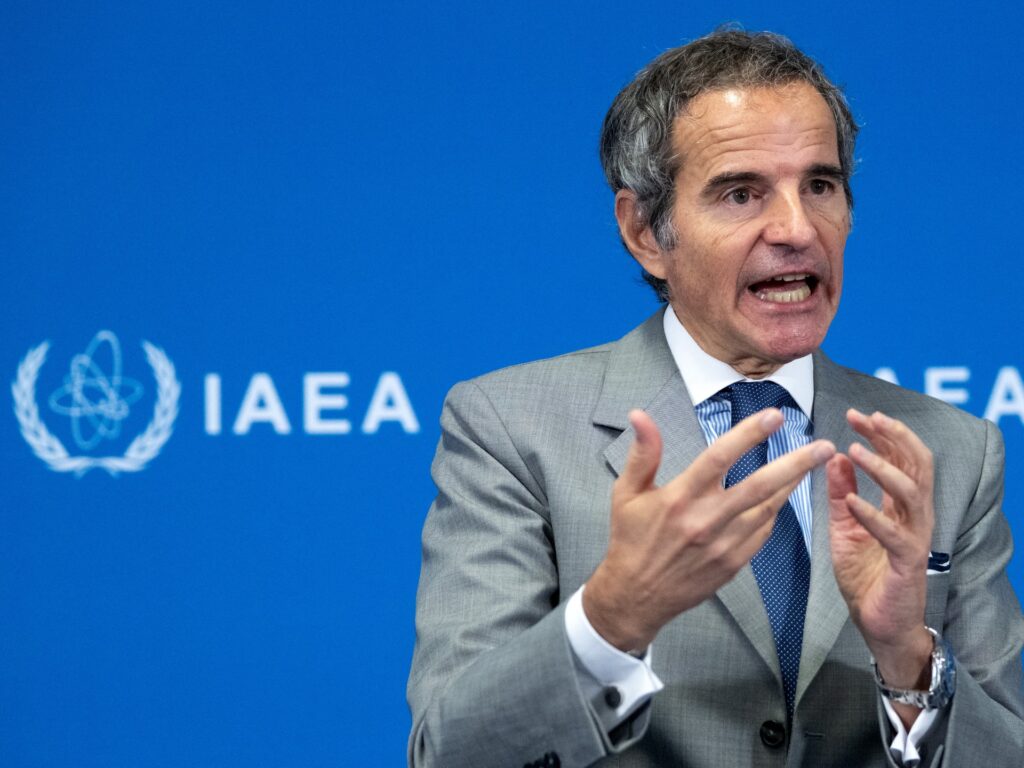
The United Nations’ nuclear watchdog has issued a formal demand for Iran to provide comprehensive information about its nuclear stockpile. This move comes amidst heightened scrutiny over Iran’s nuclear activities and growing international concerns regarding transparency. The International Atomic Energy Agency (IAEA), backed by a resolution supported by the United States, called on Iran to clarify details about its nuclear materials and facilities, aiming to verify that they are being used exclusively for peaceful purposes.
In response, Iran condemned the IAEA resolution, labeling it as “politically motivated.” Tehran’s officials criticized the resolution for potentially undermining diplomatic efforts and complicating ongoing ceasefire negotiations in the region. Iran emphasized that such actions could escalate tensions rather than foster dialogue and peaceful resolution of conflicts.
The crisis began when the IAEA requested Iran to provide detailed updates on its nuclear stockpile, including quantities and types of nuclear material. This request is part of the agency’s broader mandate to monitor nuclear compliance and ensure that no material is diverted to weapons programs. While many international actors support the IAEA’s call for transparency, Iran insists that its nuclear program is for peaceful purposes such as energy production and medical research.
The fallout from the resolution highlights the delicate balance between enforcing international nuclear agreements and respecting national sovereignty. Iran’s firm stance against the resolution reflects its concerns over potential interference by foreign powers, particularly the United States, which has historically had tense relations with Tehran.
Diplomatic sources indicate that the resolution’s passage was met with mixed reactions worldwide. Western countries largely welcomed the resolution as a necessary step toward enhanced nuclear verification. However, some nations have urged caution, warning that overly aggressive measures could derail diplomatic efforts aimed at achieving a durable ceasefire and long-term peace.
The situation remains fluid as negotiations continue behind closed doors. Iran’s warning about the resolution complicating ceasefire talks signals the risk of increased mistrust and conflict escalation. Meanwhile, the IAEA reiterates its commitment to impartial monitoring and urges Iran to cooperate transparently to dispel international doubts.
Analysts suggest that the outcome of this standoff could significantly influence regional stability in the Middle East. The international community remains hopeful for a diplomatic path forward that balances security concerns with constructive engagement.
In summary, the UN nuclear watchdog’s demand for Iran to provide nuclear stockpile information is a critical development that has stirred diplomatic tensions. Iran’s rejection of the US-backed IAEA resolution as politically motivated showcases the challenges faced in global nuclear governance and conflict resolution. The coming weeks will be crucial in determining whether dialogue can prevail or if confrontational posturing will dominate the international stage.