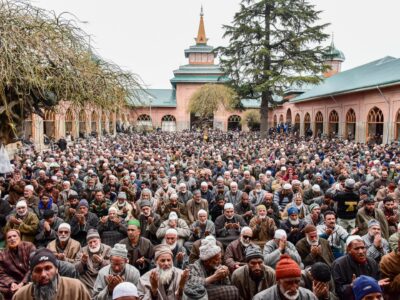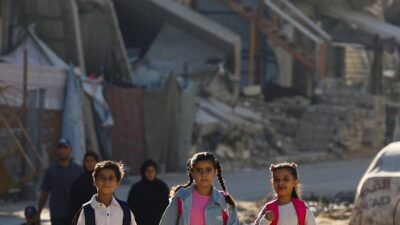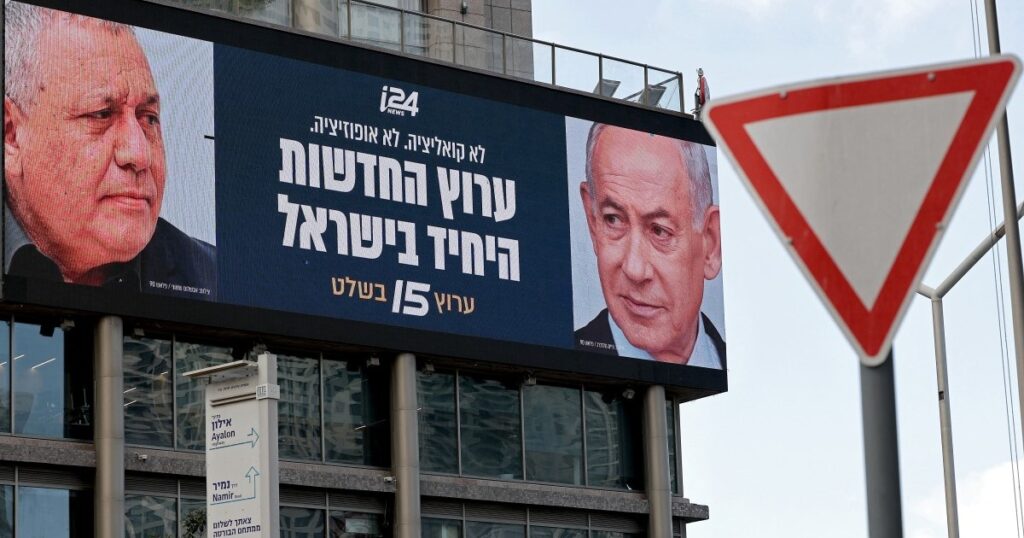
As Israel approaches its October 27 election, the event is being closely observed across African nations, from Morocco in the northwest to South Africa in the continent’s south. This election holds significant importance not only within Israel but also for its diplomatic relationships with African countries.
The central issue at stake is whether Israel’s ties with Africa can withstand the implications and repercussions of the ongoing war in Gaza. The conflict has introduced new complexities into Israel’s international relations, prompting many African leaders and citizens to reassess their positions.
Historically, Israel has maintained strategic partnerships with various African states, focusing on areas such as trade, security cooperation, technological exchange, and agricultural development. These relationships have often been mutually beneficial, providing Israel with allies on the international stage and African countries with support in advancing their development agendas.
However, the recent escalation in Gaza has placed Israel under intense international scrutiny, with numerous African nations expressing concern over civilian casualties and the humanitarian situation. This has triggered debates within African parliaments and media about the nature of their countries’ engagement with Israel.
In countries like Morocco, where diplomatic ties with Israel were re-established in recent years, there is cautious optimism about maintaining positive relations, driven partly by shared security interests and economic opportunities. Morocco’s strategic position in North Africa and its role as a cultural crossroads also influence its approach to the Israel issue.
Conversely, South Africa, known for its vocal criticism of Israeli policies, especially regarding Palestine, represents a more challenging diplomatic environment. The South African government and many civil society groups have called for a reassessment of the bilateral relationship, highlighting human rights concerns and advocating for Palestinian solidarity.
Across the continent, African leaders are carefully gauging the potential impact of Israel’s election outcome on their own countries’ foreign policies. They face the dual challenge of balancing strategic interests with the ethical and humanitarian considerations raised by the Gaza war.
Additionally, African populations themselves are increasingly engaged with the conflict through social media and diaspora connections, fueling public opinion that could influence domestic political discourse about Israel.
The October 27 election, therefore, symbolizes more than just a domestic political contest for Israelis; it is a pivotal moment that could redefine Israel’s diplomatic footprint in Africa. A victory for parties favoring hardline approaches might strain relations, while more moderate leadership could seek to repair and strengthen ties.
International observers and African diplomats alike are watching closely, recognizing that the outcomes will have far-reaching implications beyond the Middle East, potentially reshaping alliances, trade partnerships, and regional geopolitics.
In summary, the Israeli election on October 27 serves as a critical juncture for its relationships with African countries, which are being tested amidst the complex backdrop of the Gaza war. The results could herald significant shifts in diplomatic dynamics from Morocco to South Africa and across the continent.