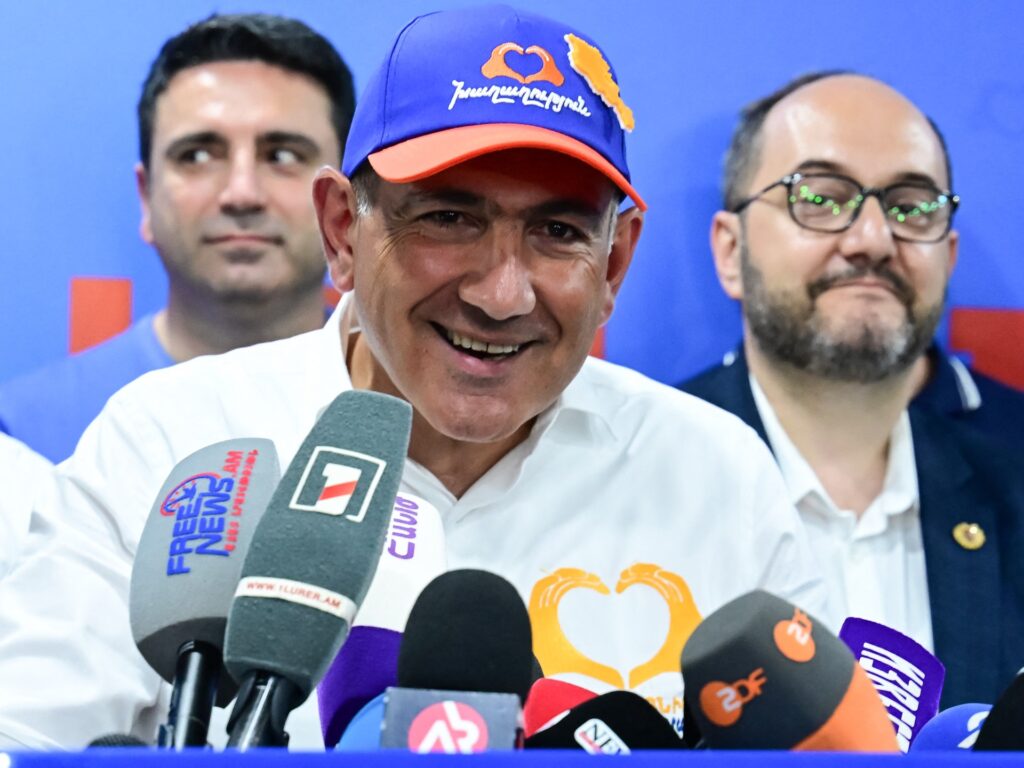
In a closely-watched election that drew significant international attention, Pro-Western Prime Minister Nikol Pashinyan’s Civil Contract party has retained power, winning 49.81 percent of the vote. The election outcome is seen as a decisive affirmation of Pashinyan’s leadership amidst escalating pressure from Russia, which has historically been a dominant influence in Armenian politics.
Nikol Pashinyan came to power on a wave of reformist enthusiasm, championing a pro-Western orientation for Armenia that shifted the country’s geopolitical stance. This approach has led to tensions with Russia, Armenia’s long-standing ally and security partner, which has expressed concerns over the country’s changing alliances and strategy.
The recent election was therefore not only a domestic political contest but also a proxy struggle over Armenia’s future direction—between continuing integration with Western institutions and maintaining traditional ties with Moscow.
Despite efforts by Russian actors to sway opinion and influence the outcome, Pashinyan’s party garnered nearly half the popular vote, highlighting the resilience of Armenian voters in supporting a pro-Western reform agenda. The Civil Contract party’s victory secures Pashinyan’s mandate to continue his reform program and pursue closer ties with Europe and other Western allies.
Observers have noted that the election demonstrated the strength of Armenian democratic institutions and the public’s desire for a more independent foreign policy that balances relations without undue dependence on any one power.
Critics of Pashinyan, often backed by pro-Russian factions, have argued that his policies could isolate Armenia from its traditional partners and jeopardize regional security. Nonetheless, the election results suggest that such arguments failed to sway a majority of the electorate.
The Civil Contract party’s platform emphasized economic development, anti-corruption measures, and increased integration with Western economic and political systems. These priorities resonate strongly with younger voters and those seeking modernization in Armenia.
The international community, particularly Western governments and organizations, has expressed support for the election process and the reaffirmed leadership of Pashinyan. This includes calls for continued reforms and maintaining Armenia’s sovereignty against external pressures.
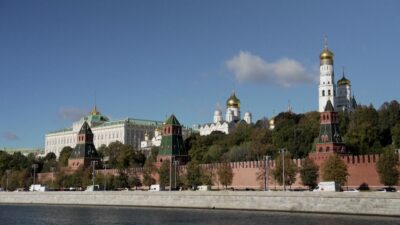
Russia’s reaction to the election outcome has been closely watched. Kremlin officials are expected to recalibrate their approach towards Yerevan in light of the electoral mandate for a more Western-aligned government, while continuing to seek ways to preserve their influence.
The election was held under a proportional representation system, ensuring that smaller parties also received parliamentary seats. This multi-party system contributes to a vibrant political debate in Armenia but could also lead to complex coalition negotiations.
In the aftermath of the vote, Pashinyan has pledged to unite the country and focus on addressing pressing issues such as the economy, security, and regional conflicts, most notably the Nagorno-Karabakh dispute.
The election saw a high voter turnout, reflecting the public’s engagement with the political process and the stakes involved in choosing the country’s future direction.
Political analysts suggest that Pashinyan’s victory solidifies a growing trend in Armenia towards embracing democratic reforms and Western-oriented policies, despite external challenges.
Going forward, the government’s ability to balance its foreign relations pragmatically while delivering on domestic promises will be critical for maintaining stability and growth.
This election marks a pivotal moment in Armenia’s post-Soviet history, showcasing a determined effort by its people to assert national independence and democratic choice in the face of great power competition.
As Armenia navigates this complex political landscape, the world will be watching closely how Pashinyan and his administration steward the country’s future in an increasingly contested regional environment.