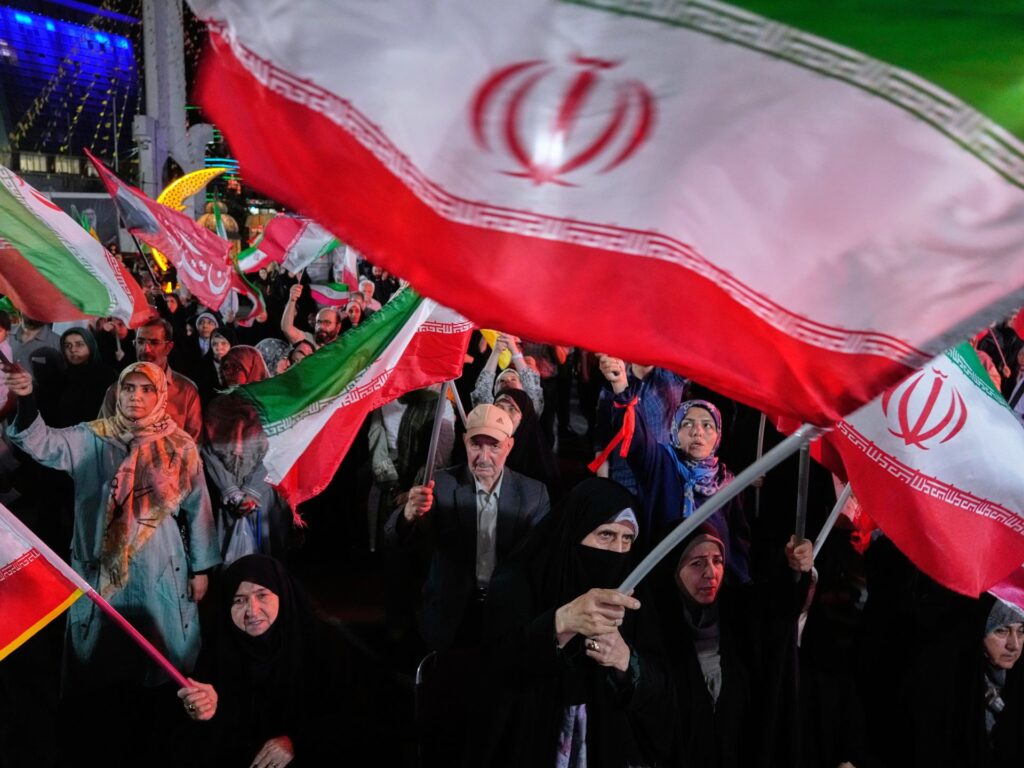
Iran has publicly welcomed a significant change in its military approach following its response to recent attacks linked to the Beirut raid. Iranian officials have framed these actions within a broader ‘strategic doctrine’ that prioritizes initiating action and enhancing offensive capabilities against Israel.
This military shift marks a clear divergence from past defensive postures, signaling a more assertive and proactive stance in the region. Analysts note that Iran’s strategy now underscores the imperative of seizing initiative rather than merely responding to adversary moves. This approach reflects a doctrine where the emphasis lies heavily on offensive power and direct action.
The context for this shift arises amidst escalating tensions and exchanges of fire between Iran-backed groups and Israeli forces. The raid on Beirut prompted a swift and robust military response, which Iranian leaders regard as exemplary of their renewed doctrine. By taking initiative, Iran aims to maintain strategic momentum and deter further incursions or attacks against their interests or allies.
Iranian military officials have highlighted how this doctrine not only supports tactical advantages but also fosters a strategic culture of assertiveness and pre-emptive capabilities. The approach integrates intelligence, rapid deployment, and coordinated strikes designed to disarm and incapacitate threats swiftly.
Experts interpreting Iran’s military communiques suggest that this strategic doctrine could lead to increased offensive operations by Iran-backed forces across the region, potentially complicating the geopolitical landscape. The doctrine’s implementation emphasizes the importance of calculated and decisive military actions rather than prolonged engagements or reactive defense.
This military philosophy shift also aligns with Iran’s long-term objectives of maintaining regional influence and countering Israeli military initiatives decisively. It asserts Iran’s commitment to reshape its security paradigm by emphasizing credible deterrence through readiness to engage offensively when necessary.
In summary, Iran’s celebration of this strategic doctrine signals an era of heightened military assertiveness focused on offensive power and initiative-taking as essential components of its defense and foreign policy. The Beirut raid response is thus seen not merely as retribution but as a demonstration of this larger military transformation.