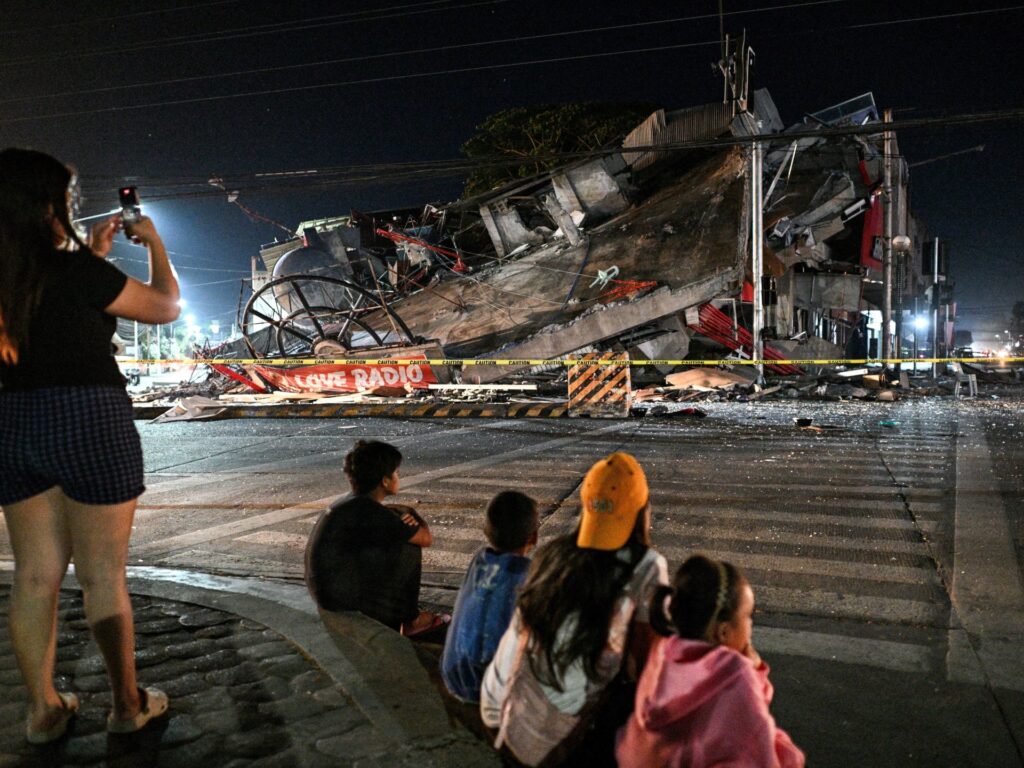
A devastating 7.8 magnitude earthquake struck the southern Philippines near the island of Mindanao, resulting in at least 32 confirmed deaths. This significant seismic event has caused widespread destruction and panic across the region.
The earthquake struck with considerable force, leading to structural damages to homes, public buildings, and infrastructure. Rescue teams are actively searching for survivors in the rubble while medical services work tirelessly to treat the injured.
Officials have warned residents to remain vigilant for aftershocks, which are expected to continue following the main quake. Evacuation centers have been set up to assist those displaced by the disaster.
Authorities are coordinating emergency response efforts, mobilizing aid, and seeking international assistance to manage the crisis effectively. The government has declared a state of emergency in the affected areas to streamline relief operations.
Local communities have shown resilience and solidarity, with volunteers assisting in relief efforts and providing support to victims.
Geologists and disaster experts are analyzing the earthquake’s impact to better understand the seismic risks in the region and improve preparedness for future events.
The tragedy underscores the vulnerability of the Philippines, located along the Pacific Ring of Fire, to powerful earthquakes and other natural disasters.
Immediate priorities include ensuring the safety of survivors, restoring essential services, and preventing further casualties from aftershocks or secondary disasters such as landslides.
The international community has expressed condolences and offered humanitarian aid to support the recovery efforts.
As rescue operations continue, the focus remains on saving lives and helping affected communities rebuild in the aftermath of this catastrophic earthquake.