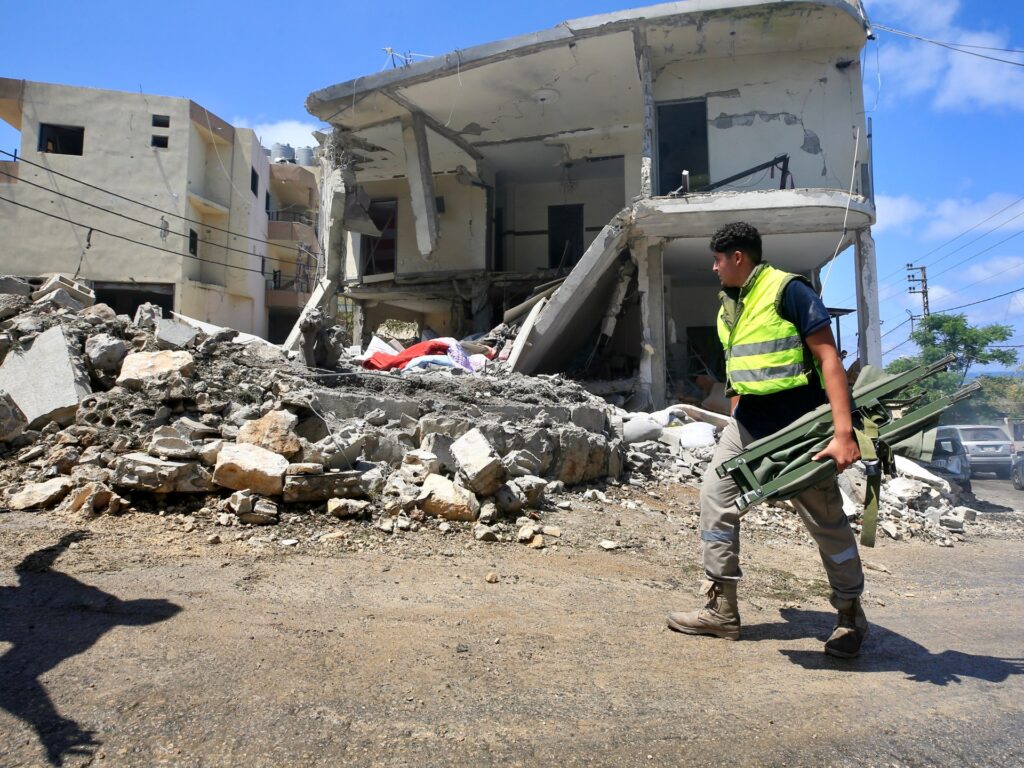
In a recent escalation of conflict, Israeli military operations in Lebanon have resulted in the deaths of 12 individuals, including several high-ranking soldiers. Among the deceased are a brigadier general, a captain, and a soldier who was killed while traveling on the Khardali-Nabatieh road. This development marks a significant moment in the ongoing tensions between the two nations.
The incident occurred during a series of Israeli air and ground strikes targeting locations within Lebanon believed to be associated with militant activities. The death of the brigadier general highlights the level of senior military personnel involved in the conflict and underscores the intensity of the confrontation.
The soldier killed on the Khardali-Nabatieh road was reportedly en route through the area when the attack happened, indicating that the conflict zones have expanded into critical transit routes. This expansion raises concerns about the safety of civilians and military personnel in regions previously considered less volatile.
Lebanese officials have condemned the attacks, labeling them as aggressive actions violating Lebanon’s sovereignty. The Lebanese army has vowed to respond firmly to protect national security and civilian lives. Meanwhile, Israel has stated that the strikes were necessary measures aimed at neutralizing threats posed by militant groups operating from Lebanese territory.
The international community has expressed growing concern over the escalation of violence in the region. Calls for restraint and dialogue have been issued by various organizations and countries, emphasizing the need to avoid further loss of life and to seek peaceful resolutions to the conflict.
This incident comes amid a backdrop of longstanding tensions between Israel and Lebanon, which have been marked by periodic outbreaks of violence and political disputes. The involvement of high-ranking military figures in these recent attacks suggests a possible intensification of military engagement in the area.
Experts warn that continued military actions could lead to broader instability in the region, affecting not only Lebanon and Israel but also neighboring countries. Humanitarian concerns are rising as displaced populations and casualties increase.
Both sides face pressure to de-escalate the situation and to engage in negotiations that address the root causes of the conflict. Until then, the risk of further violent confrontations remains high.
The situation continues to develop, with updates expected as more information becomes available regarding the full impact of these attacks and the responses from both Lebanese and Israeli authorities.