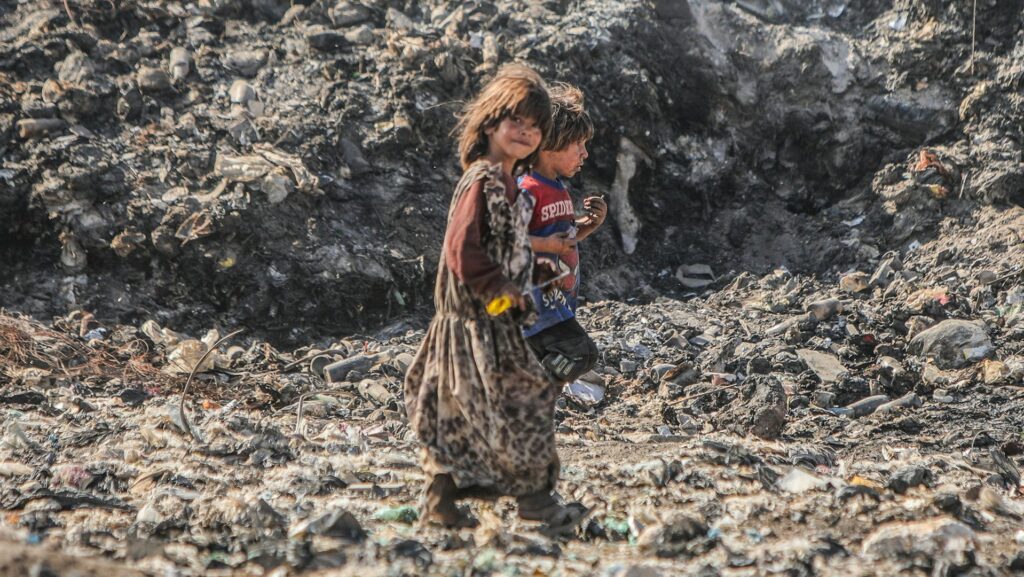
The United Nations has set a bold target to eradicate poverty worldwide by 2030, a goal embedded within its Sustainable Development Goals (SDGs). However, this vision faces significant challenges as millions of people across the globe continue to live in extreme poverty, struggling for basic necessities such as food, clean water, healthcare, and shelter.
Despite some progress in recent years, the pace of poverty reduction is uneven, with substantial disparities between and within countries. Factors such as conflict, climate change, economic instability, and the ongoing impacts of the COVID-19 pandemic have exacerbated vulnerabilities and reversed gains for many communities. In regions plagued by war and political instability, poverty rates remain stubbornly high.
Economic shocks and rising inflation have further strained household incomes, leading to increased food insecurity and malnutrition. The pandemic, in particular, pushed an estimated 70 million additional people into extreme poverty, highlighting the fragility of current social safety nets and economic systems. Many small businesses closed, unemployment rose, and marginalized populations—including women and children—were disproportionately affected.
The UN’s call to accelerate progress involves enhancing international cooperation, boosting investment in social protection systems, and prioritizing sustainable economic growth that reaches the poorest segments of society. This includes expanding access to education, healthcare, and technological resources, which are essential for breaking the cycle of poverty.
Critics argue that without addressing structural inequalities and ensuring equitable distribution of resources, the 2030 target may be overly optimistic. Furthermore, achieving poverty eradication requires a comprehensive approach that tackles underlying issues such as discrimination, lack of infrastructure, and environmental degradation.
As the deadline approaches, global leaders are under increasing pressure to fulfill their commitments and allocate sufficient resources. Civil society organizations and grassroots movements continue to advocate for inclusive policies that empower vulnerable populations and promote human dignity.
While the UN’s poverty goal faces a harsh reality check, it also serves as a critical reminder of the urgency to strengthen efforts and rethink strategies. Ending poverty is not only a moral imperative but also essential for global stability, peace, and sustainable development in the decades ahead.