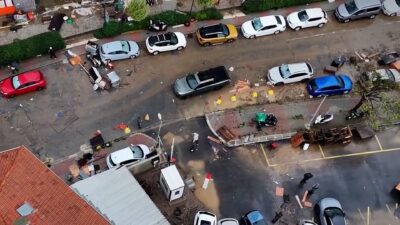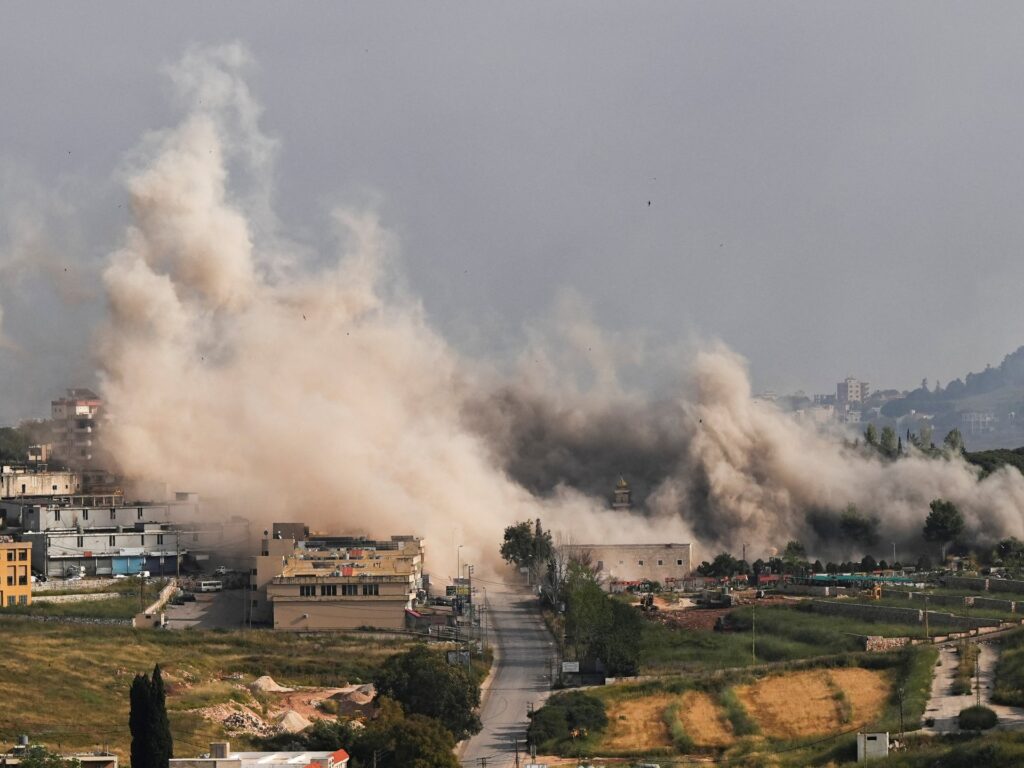
On the 89th day of the ongoing Iran war, the conflict has intensified significantly, particularly in Lebanon, where Israeli strikes have claimed the lives of 31 people. The situation in Lebanon has escalated as attacks continue to increase in both frequency and intensity, raising tensions around the prospects for a ceasefire.
The latest round of Israeli military operations targeted multiple locations across Lebanon, leading to substantial casualties and widespread destruction. The strikes are part of a broader pattern of escalating hostilities between Israel and various militant groups in the region, which has caused deepening instability.
As violence surges, authorities have issued displacement orders for populations in high-risk areas, prompting concerns about an emerging humanitarian crisis. Civilians caught in the crossfire face growing dangers, with many forced to flee their homes to seek safety amidst the chaos.
The escalation in Lebanon adds a complex dimension to the conflict, as it not only affects Lebanese sovereignty and security but also heightens regional tensions. Diplomatic efforts to broker a ceasefire are encountering increasing difficulties as attacks intensify, and mistrust between the parties grows.
International observers warn that continued escalation could have severe consequences for the entire Middle East, potentially drawing in neighboring countries and further destabilizing the already fragile geopolitical landscape.
The humanitarian situation remains critical, with urgent calls for aid, medical supplies, and safe passage for displaced civilians. Relief organizations are mobilizing resources to assist those affected, but access to conflict zones remains challenging due to ongoing hostilities.
This phase of the conflict highlights the urgent need for renewed diplomatic engagement to prevent further loss of life and to establish a sustainable ceasefire. However, the deep-rooted animosities and strategic interests involved make the path to peace perilous.
As the Iran war enters its third month, the human toll continues to rise, underscoring the stark realities of protracted conflict and the urgent need for effective international intervention to halt the violence and facilitate dialogue.
The unfolding events in Lebanon serve as a grim reminder of the far-reaching impacts of regional warfare and the necessity of sustained efforts to protect civilians and promote long-term stability in the Middle East.