Europe is grappling with significant fertiliser shortages fueled by disruptions in supply linked to the ongoing conflict involving Iran, particularly the tensions affecting the Strait of Hormuz. This strategic maritime chokepoint is crucial for global energy and commodity transport, including fertiliser shipments. The conflict has precipitated fears of prolonged disruptions to fertiliser imports, a critical component for European agricultural productivity and food security.
The fertiliser shortage threatens to impact crop yields across the continent, potentially leading to higher food prices and increased vulnerability in food supply chains. European farmers rely heavily on imports for nitrogen, phosphate, and potassium-based fertilisers, many of which transit the Persian Gulf region before reaching European markets. With production and shipping slowed or halted, local agricultural sectors face diminished input availability just as planting seasons approach.
In response, the European Union has launched a comprehensive fertiliser plan aimed at mitigating immediate risks and building long-term resilience. This initiative includes increasing domestic fertiliser production capabilities, diversifying import sources away from geopolitically unstable regions, and investing in research for sustainable fertiliser alternatives and enhanced nutrient use efficiency. The EU is also coordinating with international partners to stabilize trade routes and maintain open access through key maritime channels.
Experts warn that while these measures aim to alleviate short-term shortages, the conflict’s ongoing nature and the critical dependence on global supply chains mean Europe may continue to face fertiliser supply challenges for the foreseeable future. The situation underscores the interconnectedness of geopolitics and food security, highlighting the need for strategic policy planning to safeguard agriculture against external shocks.
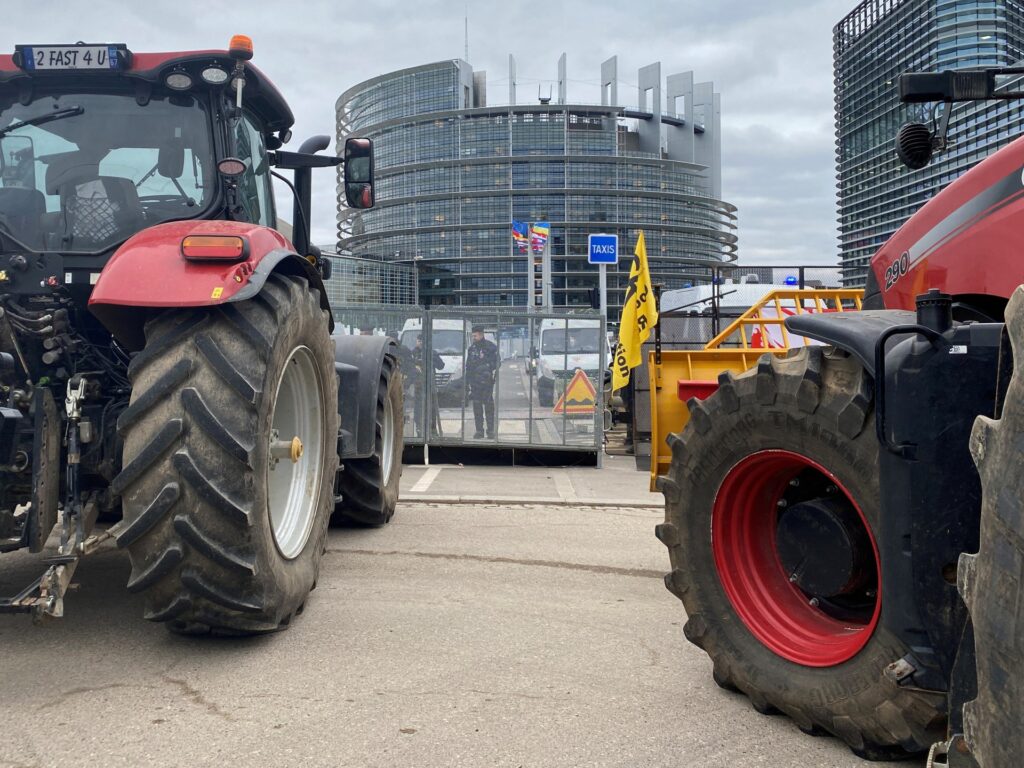
Farmers have expressed concern over potential yield reductions and increased costs, which may cascade into higher consumer food prices. Governments are thus also considering support measures for the agricultural sector to cope with input cost spikes and to ensure a stable food supply for European populations.
The EU’s fertiliser plan represents a proactive step toward greater agricultural self-reliance and reflects broader efforts to address vulnerabilities exposed by international conflicts. As the Iran war and related tensions persist, Europe’s ability to adapt and secure its fertiliser supplies will be critical in maintaining food security and economic stability in the region.