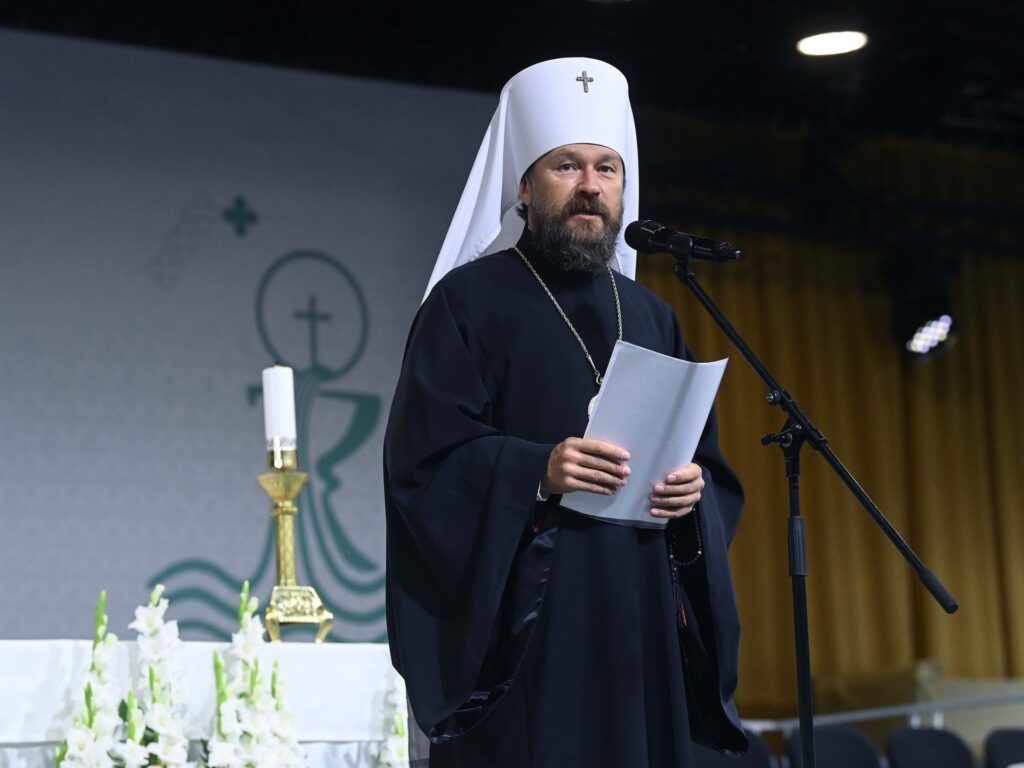
In a recent incident that has stirred diplomatic tensions, Czech police detained a Russian priest following the discovery of a “white substance.” The arrest has led to a sharp response from Moscow, which has condemned the actions of the Czech authorities, labeling the detainment a “provocation.”
According to reports, the incident occurred during a routine check where police found an unidentified white substance in the possession of the priest. Details regarding the nature of the substance remain unclear, with officials yet to confirm whether it was illegal or harmful.
The Russian government swiftly reacted to news of the detainment. Officials described the move as an unnecessary escalation and voiced concerns over the treatment of the priest. The action has been viewed by Russia as potentially damaging to bilateral relations between the two countries.
Moscow’s strong condemnation highlights the sensitive nature of the situation, exacerbating already complex diplomatic relations in the region. The Russian foreign ministry emphasized the importance of respecting religious figures and urged the Czech authorities to reconsider their approach.
Meanwhile, Czech officials have maintained that the detainment was based on standard law enforcement procedures and have insisted that the case is still under investigation. They have denied any political motivation behind the arrest and assured the public that justice will be served fairly.
The incident has also sparked discussions on social media platforms, where users debated the implications of the arrest. Opinions vary widely, with some viewing it as a necessary action to enforce the law, while others see it as a politically charged move that could inflame tensions further.
Experts have weighed in on the matter, noting that such incidents can have far-reaching impacts beyond the immediate legal concerns. The detention of a religious figure touches on sensitive issues related to religious freedom, diplomatic protocol, and international law.
As the investigation continues, both Czech and Russian authorities are expected to engage in diplomatic dialogues to resolve the matter. The outcome will likely influence future interactions and cooperation between the two nations.
In the broader context, this event is a reminder of the fragile balance often present in international relations, where actions by law enforcement can quickly escalate into diplomatic challenges. Observers will be closely monitoring further developments to assess the impact on regional stability and bilateral ties.
The identity of the priest has not been publicly disclosed, and details regarding his current condition remain undisclosed. Efforts to secure consular access and legal representation have been noted in reports.
This incident adds to a series of recent events that have tested the diplomatic resilience between Moscow and Prague, underscoring the ongoing complexities in their relationship.
As investigations proceed, international human rights organizations have called for transparency and the safeguarding of the priest’s rights, emphasizing the importance of upholding international norms and respect for religious leaders.
The community of Russian expatriates in Czechia has expressed concern and solidarity, organizing gatherings to voice support for the detained priest.
In conclusion, the detainment of the Russian priest over the discovery of a white substance by Czech police remains a contentious issue. The unfolding situation highlights critical aspects of law enforcement, diplomacy, and religious freedom, which continue to draw significant attention from governments and observers alike.