Israeli Prime Minister Benjamin Netanyahu has announced that Israel will intensify its military strikes against Hezbollah in Lebanon. This escalation comes amid ongoing tensions and conflict between Israel and the armed group, which Israel views as a significant threat to its security.
The announcement was made as the Israeli military confirmed that it was actively attacking Hezbollah positions, aiming to weaken the group’s capabilities and influence in the region. Netanyahu’s statement highlights a firm resolve to not only respond to any threats but to undertake robust measures intended to decisively diminish Hezbollah’s operational capacity.
Hezbollah, a Shiite militant and political organization based in Lebanon, has long been a focal point of conflict involving Israel, especially due to its alignment with Iran and its significant arsenal, which Israel perceives as a security risk.
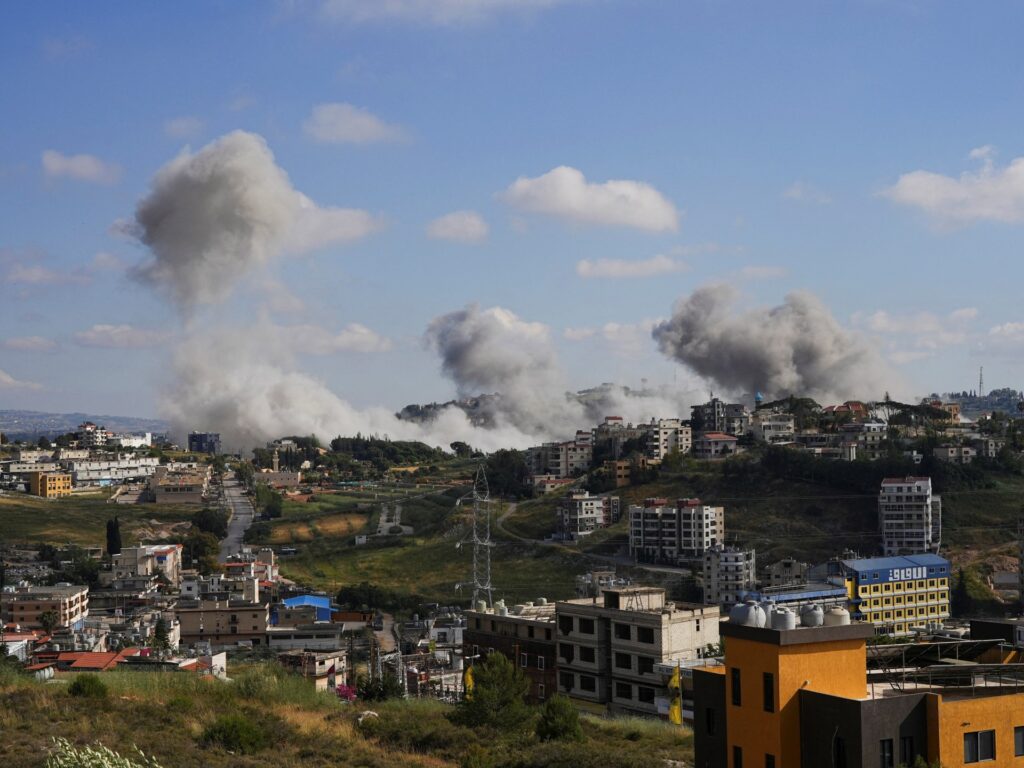
The escalation in offensive operations marks a significant phase in the ongoing conflict, with the Israeli government emphasizing the need for a strong response to prevent future attacks and to maintain national security. The military campaign includes airstrikes targeting weapon storage facilities, command centers, and other strategic sites affiliated with Hezbollah.
The situation remains fluid, with regional and international observers expressing concern over the potential for wider conflict in the Middle East. The intensification of Israeli operations against Hezbollah may have broader implications, potentially affecting neighboring countries and drawing responses from various international actors.
Israel’s decisive posture stems from a strategic objective to ‘crush’ Hezbollah, aiming to incapacitate the group so it cannot pose an imminent threat. This reflects a broader policy approach under Netanyahu’s leadership to confront and neutralize perceived security challenges through assertive military action.
The Lebanese government has condemned the intensified strikes, calling for restraint and dialogue to prevent further escalation. The humanitarian impact of the conflict in affected areas is also a rising concern, with civilians caught in the crossfire facing significant risks.
International diplomatic efforts continue in parallel, with calls for de-escalation and negotiations to establish long-term stability in the region. However, the immediate focus remains on the military operations being carried out by Israel.
As the offensive continues, the coming days are likely to be critical in determining the future trajectory of Israel-Hezbollah relations and the wider security landscape in the Middle East. The global community watches closely as diplomatic and military dynamics unfold, highlighting the delicate balance between conflict and peace in this volatile region.