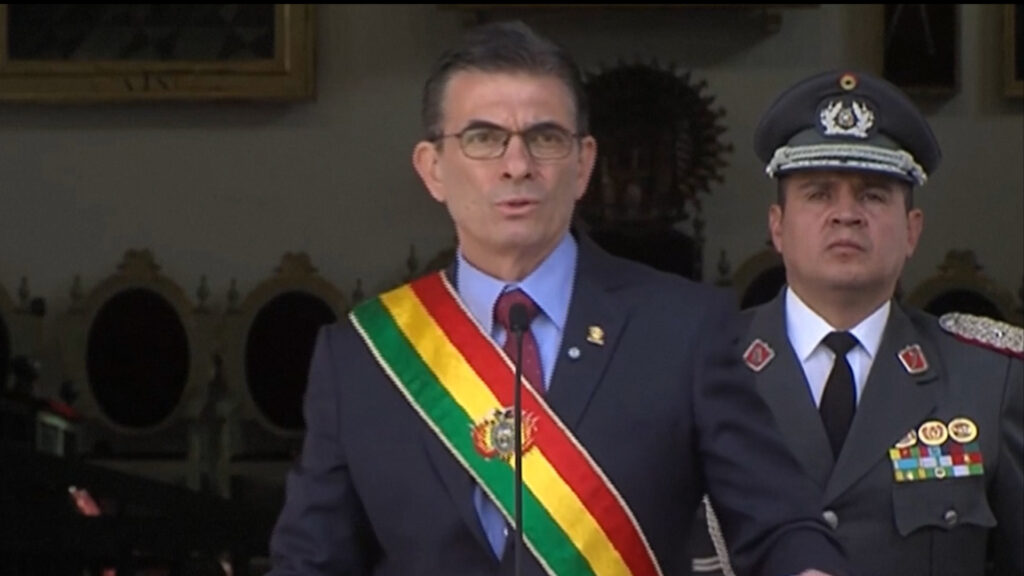
Amid rising public unrest and widespread protests across Bolivia, President Rodrigo Paz has announced a significant personal and governmental austerity measure. The president declared that he and his cabinet ministers will cut their salaries by 50 percent as a gesture of solidarity with the Bolivian people and to ease the economic burden faced by many in the country.
The protests, which have erupted due to various economic and social grievances, reflect the growing frustration among Bolivians over income inequality, inflation, and government policies perceived as ineffective. In response, President Paz’s decision aims to demonstrate leadership accountability and a commitment to addressing the country’s economic challenges head-on.
This salary reduction will apply directly to the president and the members of his cabinet, signaling a shared sacrifice at the highest levels of government. It is intended to set an example for other officials and foster a culture of fiscal responsibility within the public sector.
Government sources have indicated that the funds saved from these salary cuts will be redirected towards social programs designed to support vulnerable populations affected by the economic downturn. These include initiatives for healthcare, education, and food security.
President Paz’s announcement has received mixed reactions across the political spectrum. Supporters commend the move as a bold step toward bridging the gap between government officials and the public, potentially restoring some degree of trust and credibility in the administration.
Critics, however, argue that the salary cut is largely symbolic and insufficient to tackle the root causes of the crisis. They call for more comprehensive reforms and concrete policy actions to address systemic issues such as corruption, unemployment, and poverty.
The protests have highlighted the deep-seated economic problems Bolivia faces, with demands extending beyond salary cuts to include calls for increased transparency, better governance, and social justice.
In his public address, President Paz expressed his hope that the salary adjustments will inspire cooperation and dialogue between the government and civil society, paving the way for more sustainable solutions to the country’s challenges.
International observers have noted the significance of such measures in the context of Latin America’s broader struggle with political instability and economic hardship. Bolivia’s efforts to implement austerity at the executive level may serve as a model for other nations grappling with similar issues.
As the situation evolves, the Bolivian government continues to engage with protest leaders and various stakeholders in an effort to restore social peace and implement policies that foster inclusive economic growth.
This unprecedented salary cut at the top echelons of government marks a pivotal moment in Bolivia’s political landscape, reflecting the urgent need for leadership to connect more closely with the people it serves and to address the pervasive challenges confronting the nation.