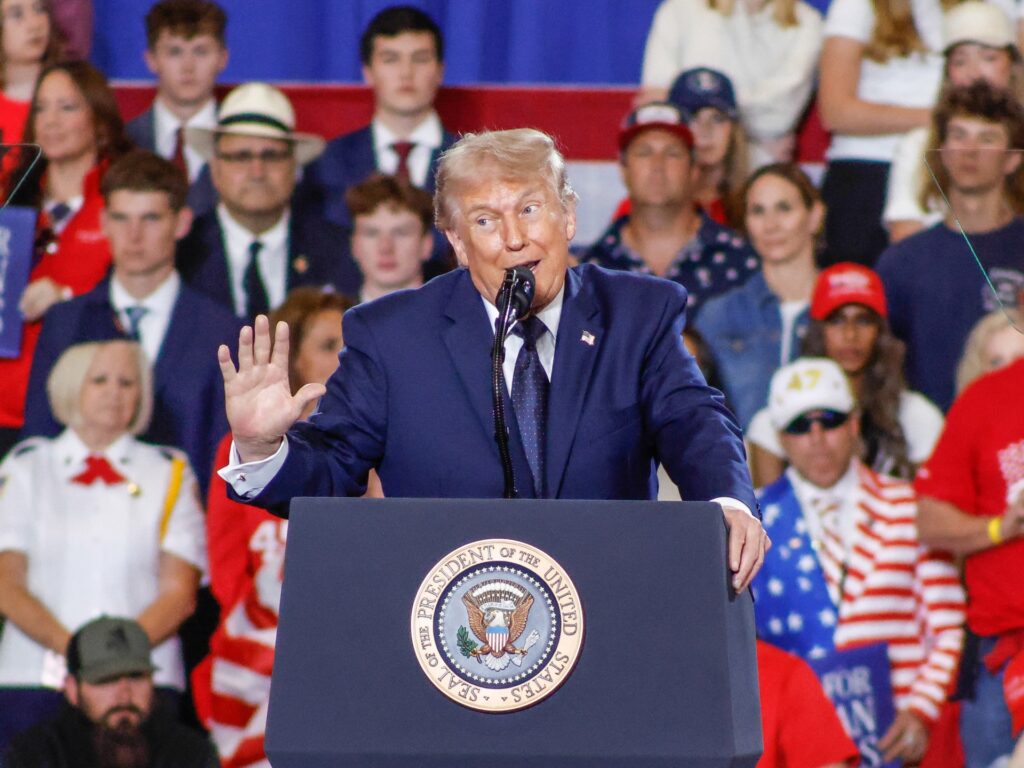
In a recent development concerning the tense negotiations over Iran’s nuclear program, U.S. President Donald Trump has emphasized a deliberate approach, stating that there is ‘no rush’ to finalize an Iran nuclear deal. This statement came amid demands from Israeli Prime Minister Benjamin Netanyahu for a resolution that would effectively eliminate the nuclear threat posed by Iran.
The ongoing discussions highlight a significant divide in international perspectives on how to address Iran’s nuclear ambitions. Netanyahu has been vocal in his insistence that any agreement must unequivocally end Iran’s ability to develop nuclear weapons, underscoring Israel’s security concerns in the region.
Meanwhile, the United States maintains a strategic blockade and sanctions regime against Iran. According to officials on both sides of the negotiation table, this blockade will remain in place until a comprehensive and final deal is struck that satisfies all terms deemed necessary.
Despite intense diplomatic efforts, several major obstacles persist that complicate reaching an agreement. These include disagreement over the extent and duration of nuclear inspections, limits on Iran’s uranium enrichment activities, and the lifting of economic sanctions.
Trump’s administration has reiterated its commitment to securing a deal that is verifiable and stringent, ensuring that Iran’s nuclear program remains peaceful and transparent. The president’s cautious stance reflects concerns over the effectiveness and enforceability of previous agreements.
Israeli leaders, including Netanyahu, continue to push for a hardline approach. They argue that any leniency could enable Iran to covertly advance its nuclear capabilities, posing a direct threat to Israel and regional stability.
Analysts note that the U.S. blocking measures serve as a critical leverage tool in the talks, pressuring Iran economically and politically to comply with demanding terms. However, Iran has consistently rejected proposals that it views as infringing on its sovereignty and rights under the Nuclear Non-Proliferation Treaty.
The international community watches closely, with both allies and adversaries weighing the potential impact of the deal on Middle Eastern security dynamics. The stakes remain high, as the failure or success of the agreement will significantly influence peace and stability in the region.
In summary, the Iran nuclear negotiations remain complex and fraught with challenges. President Trump’s message of no urgency underlines the administration’s resolve to ensure that any final agreement is robust, credible, and capable of neutralizing the nuclear threat that concerns Netanyahu and many others.
The world awaits further developments, hopeful that diplomacy will prevail without compromising the security interests of the United States, Israel, and their allies.