In a tragic incident, a bomb attack in Pakistan’s Balochistan province has resulted in the death of more than 20 people. The attack has sent shockwaves throughout the region, highlighting the continued instability in this resource-rich but troubled province. The Balochistan Liberation Army (BLA), a militant separatist group that has been active in the area for years, has claimed responsibility for this deadly attack.
Balochistan, Pakistan’s largest province by area, has long been a hotspot for insurgency and conflict, with various groups demanding greater autonomy or independence. The BLA, which is considered a terrorist organization by the Pakistani government, has been involved in a series of attacks targeting security forces, government officials, and infrastructure projects.
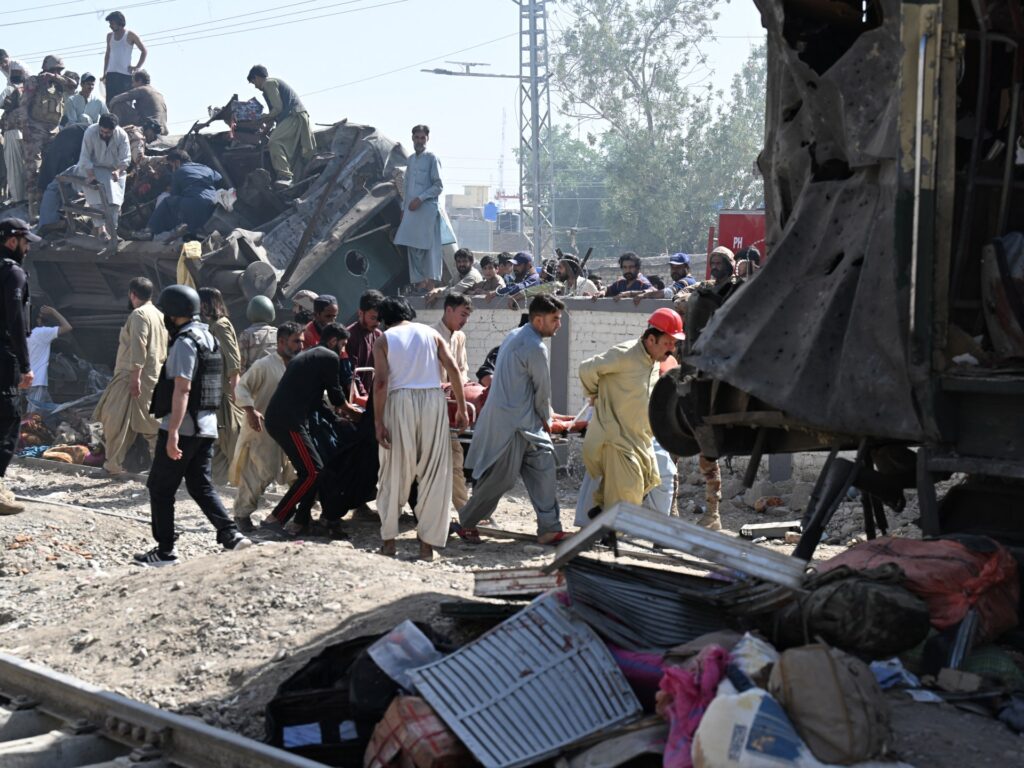
Details about the exact location and nature of the bomb attack are still emerging, but initial reports indicate that the attack was aimed at a crowded area, causing mass casualties and panic among the local population. Emergency services and law enforcement agencies have been deployed to the scene to assist victims and begin an investigation.
This attack comes amidst ongoing tensions between separatist groups and the government. The BLA’s claim of responsibility underscores the persistent challenges faced by authorities in curbing militancy in the region. Balochistan’s strategic importance, due to its rich mineral resources and location near the Arabian Sea, adds a significant dimension to the conflict, as various national and regional interests are deeply invested in the stability of the province.
The Pakistani government has condemned the attack, vowing to bring the perpetrators to justice and intensify efforts against terrorism. In addition to security operations, there have been calls for dialogue and development initiatives aimed at addressing the root causes of unrest in Balochistan.
Local communities have expressed grief and anger over the loss of lives, with many calling for peace and an end to violence. The international community has also voiced concern over the impact of such attacks on regional stability and humanitarian conditions.
This tragic event highlights the complex and ongoing conflict in Balochistan, where political, ethnic, and economic grievances intersect. The future of peace and security in the province remains uncertain as both the government and insurgent groups continue their struggle for control and recognition.
Efforts to stabilize Balochistan will likely require a multifaceted approach, combining security measures with political engagement, economic development, and community reconciliation. The international community’s role in supporting peace initiatives could be critical in moving towards a more stable and prosperous future for Balochistan.
For now, the focus remains on supporting those affected by the attack and preventing further loss of life in a region haunted by conflict for decades.