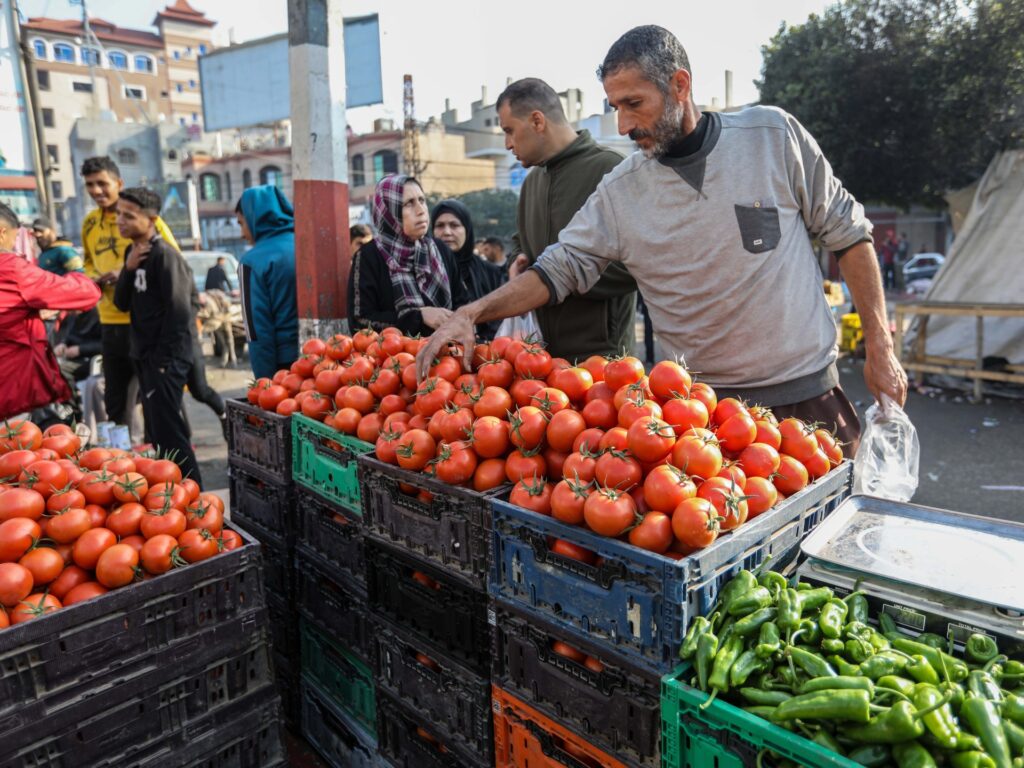
In a significant escalation of the ongoing conflict, Israel has imposed a halt on the entry of commercial goods into the Gaza Strip. This decision includes a freeze on shipments of essential items such as fruit and winter clothing, effectively cutting off a crucial supply chain to the region. The move is expected to intensify the humanitarian situation in Gaza, where residents rely heavily on such supplies for daily living and seasonal needs.
The halt of commercial goods marks a stark shift in the flow of resources, directly impacting businesses and families within Gaza. Fruit, a staple in the local diet, and winter clothing, essential for protection against the cold, are among the items now barred from entry. These goods have traditionally been a lifeline, helping to sustain the population during critical times, especially in harsh weather conditions.
Meanwhile, Hamas, the governing authority in Gaza, has publicly denied recent claims regarding the imposition of new taxes. These claims suggested that the group was levying additional taxes on goods and services within the territory, escalating economic pressures on the already strained population. Hamas’s denial aims to refute accusations of exploiting the situation for financial gain and to assert its commitment to supporting residents under challenging circumstances.
The stoppage by Israel is part of a broader security strategy, citing concerns over the potential for goods to be diverted for militant use. However, critics argue that this tactic disproportionately punishes innocent civilians and exacerbates the humanitarian crisis. Humanitarian organizations have expressed serious concerns about the lack of access to vital supplies, warning of deteriorating living conditions and increased hardships for vulnerable groups, including children and the elderly.
The international community remains watchful, with calls for a balanced approach that addresses security concerns without compromising humanitarian needs. Diplomatic efforts continue as stakeholders seek pathways to ease tensions and restore the flow of essential goods into Gaza.
As the situation develops, the people of Gaza face uncertainty regarding their access to daily necessities. The halt to commercial shipments signals a critical juncture, highlighting the complex interplay between security policies and humanitarian imperatives in the region. Observers underscore the urgent need for dialogue and solutions that prioritize the well-being of civilians caught in the conflict.