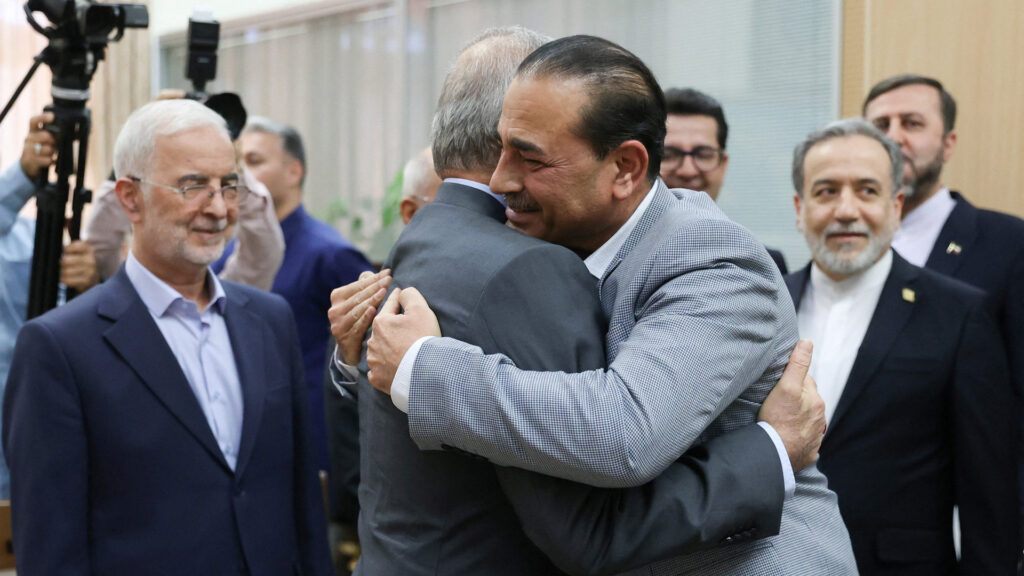
Iran’s recent diplomatic engagement with Pakistan has showcased a mix of progress and ambiguity following the departure of Pakistan’s army chief, Field Marshal Asim Munir, from Tehran. The visit, marked by multiple meetings and discussions, was aimed at addressing mutual concerns and fostering stronger bilateral ties between the two neighboring countries.
Field Marshal Asim Munir’s visit to Tehran was significant, as it represented Pakistan’s effort at mediating various regional issues and enhancing cooperation with Iran. Over the course of several days, Munir held dialogues with top Iranian officials, including military and political leaders, to deliberate on security, counterterrorism, economic collaboration, and geopolitical stability in the region.
Despite the intense diplomatic activity, observers describe the messages emanating from Tehran as ‘mixed.’ While some statements pointed toward a willingness to deepen partnership and resolve pressing issues through dialogue, others hinted at lingering skepticism and unresolved differences.
The complexities of Iran-Pakistan relations stem from various factors, including geopolitical rivalries, security concerns along the shared border, and Iran’s cautious approach to Pakistan’s relationships with other global powers. The dual tone from Tehran reflects these sensitivities, signaling that while engagement is welcome, there are still reservations on certain fronts.
The role of Pakistan’s military leadership in this context is pivotal. Pakistan’s army chief’s presence in Tehran underscores Islamabad’s strategic intent to stabilize relations and seek amicable solutions to conflicts affecting both nations, such as cross-border militancy and economic sanctions impacts. The talks also touched upon enhancing border security and promoting trade and energy cooperation.
However, Iran’s mixed messaging may also be interpreted as a diplomatic strategy to maintain leverage in regional politics. Tehran’s cautious posture allows it to engage with Pakistan while managing its complex alliances and rivalries, including its relations with Saudi Arabia, the United States, and groups within Afghanistan.
Analysts suggest that the departure of Field Marshal Munir after this high-profile visit leaves an open-ended outlook for Iran-Pakistan relations. Both sides have expressed commitment to continued dialogue, yet the progress hinges on resolving underlying trust issues and sensitive geopolitical disputes.
Experts emphasize the importance of sustained engagement and clear communication to overcome the current ambiguity. They advocate for transparent negotiation frameworks and confidence-building measures to transform tentative interactions into robust partnerships.
In conclusion, Pakistan’s mediation efforts during Field Marshal Asim Munir’s visit to Tehran have opened channels for dialogue but have also exposed the nuanced and cautious nature of Iran’s foreign policy stance. The future trajectory of this bilateral relationship will depend largely on how both nations manage their divergent interests and capitalize on the opportunities for cooperation amid regional complexities.