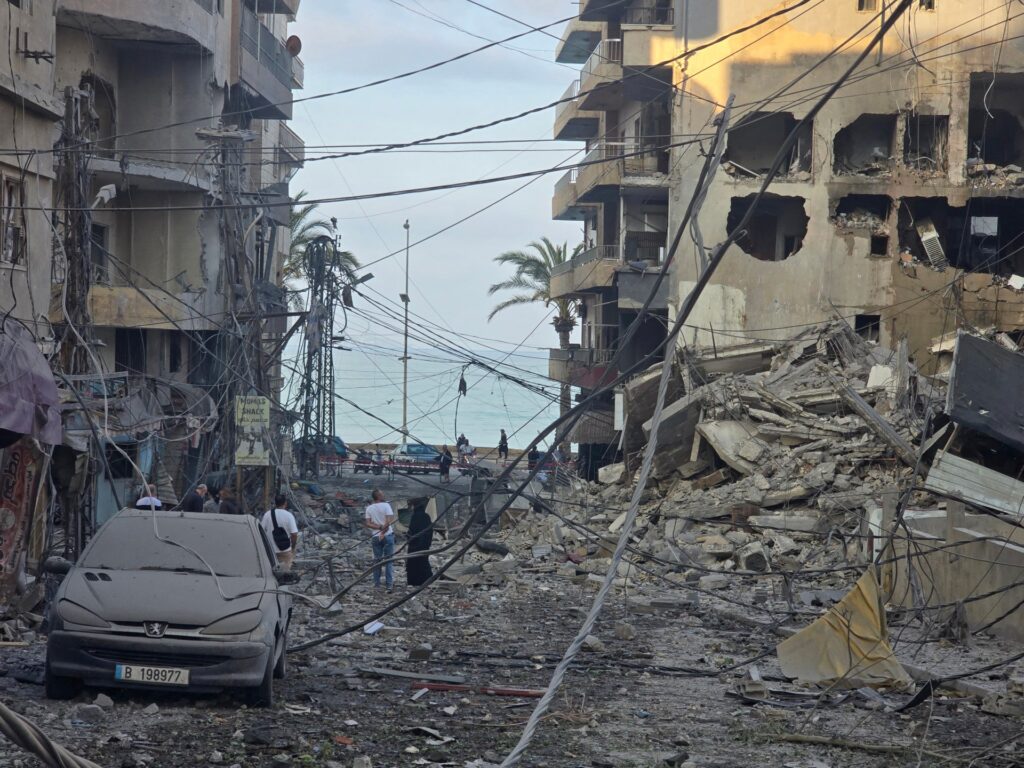
In a distressing turn of events, Israeli attacks in southern Lebanon have resulted in the deaths of at least seven individuals despite an ongoing ceasefire agreement. The region, which has been fragilely maintaining peace, now faces renewed violence that has brought fear and disruption to the local communities.
Residents in southern Lebanon are enduring what has been described as ‘psychological terror’ amid frequent Israeli airstrikes and orders for displacement. The continuous threat has deeply unsettled the population, exacerbating an already volatile situation marked by insecurity and instability.
The ceasefire, which was intended to halt hostilities and foster a period of calm, has been severely undermined by these attacks. The strikes not only cause physical harm but also inflict significant mental and emotional strain on civilians. Families are forced to live under constant threat, unsure of when the next assault might occur, which disrupts everyday life and hinders efforts to rebuild and recover from past conflicts.
Humanitarian concerns are growing as displacement orders compound the distress of residents who are being forced to leave their homes. Such measures increase the vulnerability of civilians, particularly the elderly, children, and those with limited means to relocate safely. The displacement intensifies the humanitarian crisis in the area, straining local resources and aid organizations.
International reactions to the renewed violence have been swift, with calls for restraint and respect for the ceasefire from various global leaders and organizations. The situation is seen as a setback to peace efforts and raises fears of a broader escalation if the cycle of attacks and reprisals continues unchecked.
The lethal attacks despite the ceasefire underscore the complexities and challenges of achieving lasting peace in Lebanon and the surrounding region. The cycle of violence, displacement, and psychological trauma highlights the urgent need for sustained diplomatic engagement and conflict resolution strategies.
Efforts to address the root causes of the conflict and to support the affected populations are critical. Without comprehensive peacebuilding initiatives, southern Lebanon faces continued instability, with detrimental consequences for its people and regional security.
As the situation develops, the international community is urged to prioritize humanitarian aid and to facilitate dialogue aimed at restoring peace and ensuring the protection of civilians in southern Lebanon. The resilience of the local population is being tested, and their safety and well-being must remain a central focus for all stakeholders involved.
The recent attacks serve as a sobering reminder of the fragility of ceasefire agreements in conflict zones and the human cost of sustained hostility. It is imperative that all parties work towards a durable resolution to prevent further loss of life and to begin healing the wounds left by years of tension and violence.