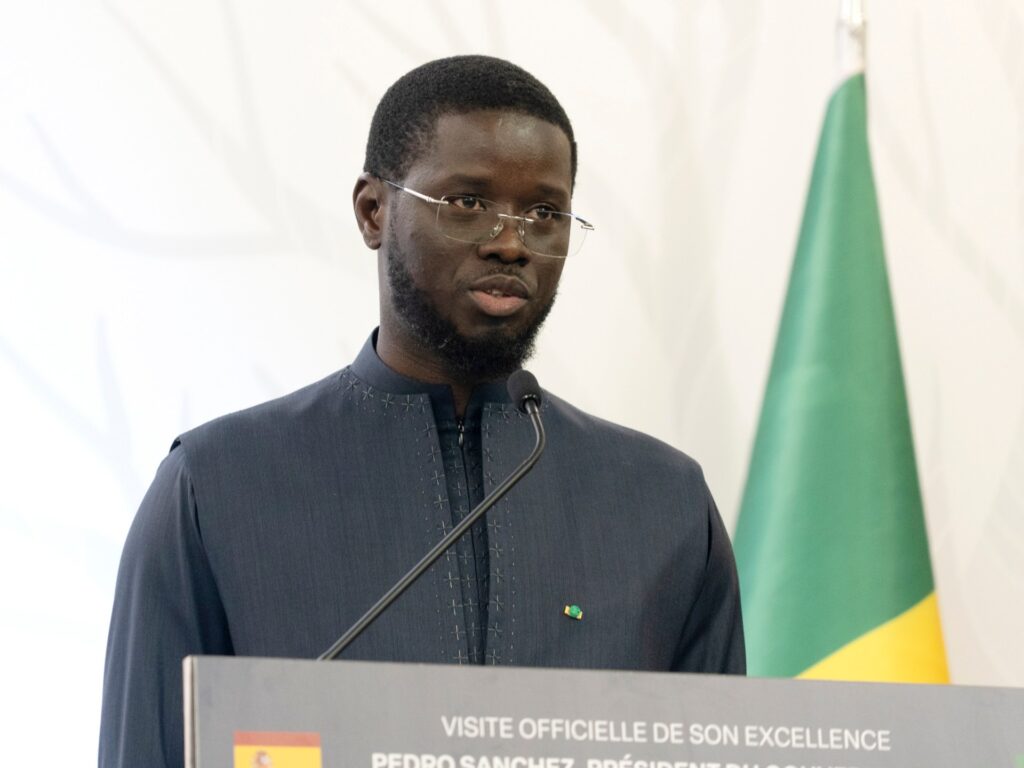
In a significant political shake-up, Senegal’s President Faye has dismissed Prime Minister Sonko and dissolved the government, plunging the West African nation into renewed instability. This dramatic move comes amid ongoing efforts to stabilize the country’s economy and secure a crucial bailout from the International Monetary Fund (IMF).
President Faye’s decision to sack PM Sonko marks the end of a turbulent period characterized by political tension and public dissatisfaction. Reports indicate that the ousting stems from disagreements within the ruling coalition and administrative challenges that hindered effective governance. With the government’s dissolution, a caretaker administration is expected to be appointed until new elections or a new cabinet formation is initiated.
The political upheaval poses a considerable challenge to Senegal’s economic recovery strategy. The IMF bailout, which is vital for supporting the nation’s fiscal reforms and development programs, may face delays or complications due to this instability. Negotiations with the IMF often require a stable and committed government to implement agreed-upon policy measures and reforms.
Economic analysts warn that the uncertainty surrounding leadership could undermine investor confidence and stall ongoing reforms aimed at boosting growth, reducing poverty, and managing public debt. Senegal has been striving to maintain macroeconomic stability despite global headwinds and domestic challenges.
President Faye, who came to power on promises of economic revitalization and anti-corruption, now faces the daunting task of restoring political stability while navigating complex bailout discussions with international partners. The reorganization of the government is seen both as a necessary step to refocus the administration and a risky move that could prolong instability.
Public reaction to the announcement has been mixed, with some citizens expressing hope that new leadership might bring fresh solutions, while others fear increased uncertainty and political turmoil. Civil society organizations have called for inclusive dialogue and transparent processes to ensure that any government transition upholds democratic principles.
Regional observers note that Senegal’s stability is important not only for the country itself but for West Africa at large, given its role in regional economic integration and security cooperation. Neighboring countries and international stakeholders are likely monitoring the situation closely, offering support where possible to prevent deterioration.
In summary, the dismissal of PM Sonko and the government’s dissolution by President Faye signal a critical juncture for Senegal. The path forward will require careful political maneuvering to rebuild trust, secure the IMF bailout, and maintain economic progress amidst renewed uncertainty. How the government and civil society respond in the coming days will be crucial in shaping the nation’s future trajectory.