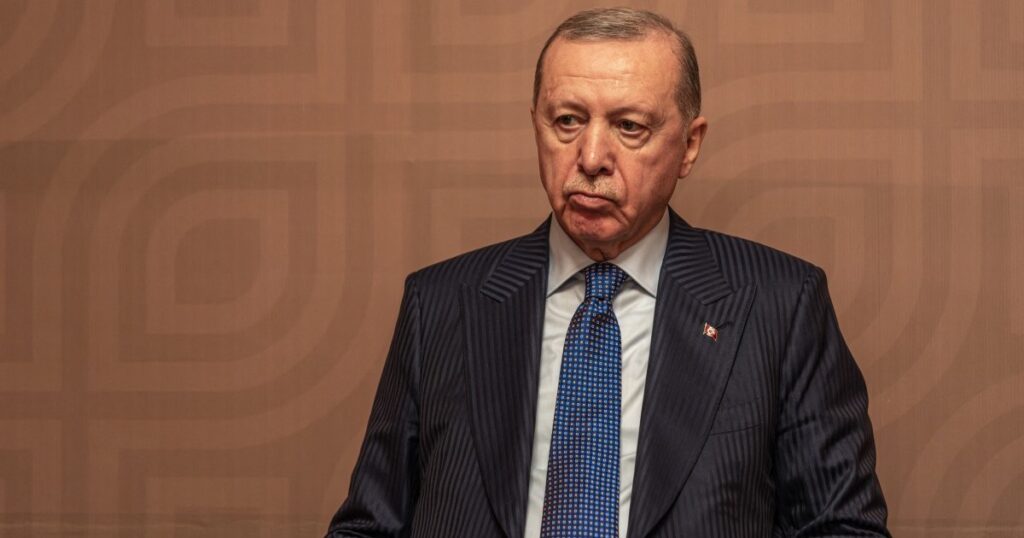
In a significant development, Turkey has shut down Istanbul Bilgi University, a liberal institution, as part of an ongoing criminal investigation. The university, known for its progressive stance and independent academic environment, was seized by authorities under the scope of the probe. This action has raised concerns about academic freedom and the state of higher education in Turkey.
The Council of Higher Education (YÖK), Turkey’s governing body for universities, has promised to take measures to ensure that the students of Bilgi University do not suffer any harm as a result of the closure. The council stated that all necessary steps would be taken to protect students’ rights and to facilitate the continuation of their education without disruption.
Bilgi University has been a prominent voice for liberal education in Istanbul, attracting students from diverse backgrounds and offering programs that emphasize critical thinking and open discourse. The closure marks a severe blow to these ideals and has sparked debates about governmental control over educational institutions.
Authorities have not yet disclosed detailed information regarding the nature of the criminal investigation leading to the seizure. This lack of transparency has fueled speculation and unease among academics, students, and human rights observers.
The move comes amid a broader context of increased scrutiny and control over institutions deemed politically sensitive by the Turkish government. Critics argue that actions like these threaten the democratic principles underlying academic institutions.
Students at Bilgi University are reported to be organizing meetings and seeking legal advice to understand the implications of the closure on their academic progress and future prospects.
The international educational and human rights communities have voiced concern over the seizure, urging Turkish authorities to uphold academic freedoms and ensure the safety and rights of students and faculty.
In response, the Council of Higher Education has committed to providing alternatives for students to continue their studies, including transfers to other universities within the Turkish higher education system.
This incident highlights the ongoing tensions between governmental control and institutional autonomy in Turkey, raising important questions about the future landscape of higher education in the country.