In a significant move highlighting the evolving geopolitical landscape in Eastern Europe, former U.S. President Donald Trump announced the deployment of 5,000 American troops to Poland. This decision comes amid increasing security concerns in the region, particularly due to the ongoing tensions with Russia and the broader strategic interests of the United States in NATO’s eastern flank.
The deployment represents a notable escalation in U.S. military presence in Eastern Europe, reinforcing NATO’s commitment to the defense of its member countries. Poland, sharing a long border with Russia’s ally Belarus and close proximity to the Russian exclave of Kaliningrad, stands as a critical frontline state in the alliance’s deterrence strategy.
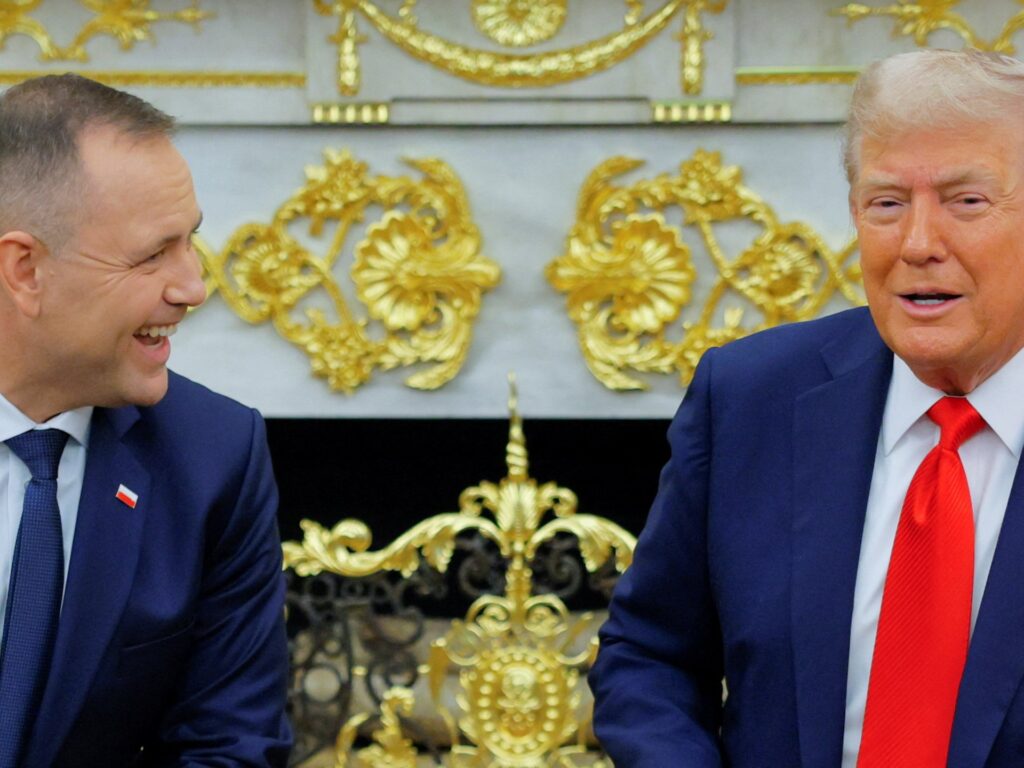
Polish President Andrzej Duda, known for his right-wing stance and strong support for tightened security measures against Russia, welcomed Trump’s announcement enthusiastically. He characterized the additional troops as a “vital reinforcement” that underscores the “steadfast commitment” of the United States to European security and Poland’s sovereignty.
The deployment of U.S. troops is part of a broader strategy to bolster deterrence and convey a unified message of strength in the face of Russian aggression. Since the 2014 annexation of Crimea by Russia and the subsequent conflict in Ukraine, NATO members have increased military cooperation and presence in Eastern Europe.
Initially, the U.S. had deployed a smaller contingent of troops to Poland and neighboring countries as part of Operation Atlantic Resolve. However, the introduction of an additional 5,000 troops signals a shift towards a more robust forward presence.
The troop buildup is expected to include heavy armor, artillery units, and advanced communication systems, aimed at enhancing rapid response capabilities and interoperability among NATO forces.
Political analysts view this deployment as a move to reassure Eastern European allies who feel particularly threatened by Russia’s military modernization and assertive foreign policy. Moreover, the presence of U.S. forces is intended to deter any potential acts of aggression and provide a quick-reaction force in case of escalations.
However, the deployment has also sparked debate. Critics argue that it could exacerbate tensions with Russia, potentially provoking a military response or an arms race in the region. Russia has historically criticized NATO’s eastward expansion and views the increased U.S. military presence as a direct threat.
Despite these concerns, the Trump administration defended the decision as essential for maintaining stability and safeguarding democratic nations bordering Russia. It aligns with Trump’s broader foreign policy agenda which emphasized strengthening the military and supporting allies against authoritarian regimes.
In Poland, this move strengthens the ruling Law and Justice party’s stance on defense and national security, which has been a cornerstone of their domestic and foreign policy platform. It also enhances relations between Washington and Warsaw, signaling a shared perspective on security challenges.
This deployment underscores the complex dynamics in Eastern Europe, where historical tensions, modern alliances, and strategic interests intersect. It reflects the importance of Poland as a key ally in NATO’s eastern strategy and the U.S.’s ongoing commitment to containing Russian influence.
As the situation develops, the international community will be closely watching how this deployment impacts regional stability, NATO cohesion, and the broader security architecture of Europe. The presence of U.S. troops in Poland stands as a testament to the enduring significance of military alliances in a changing global order.