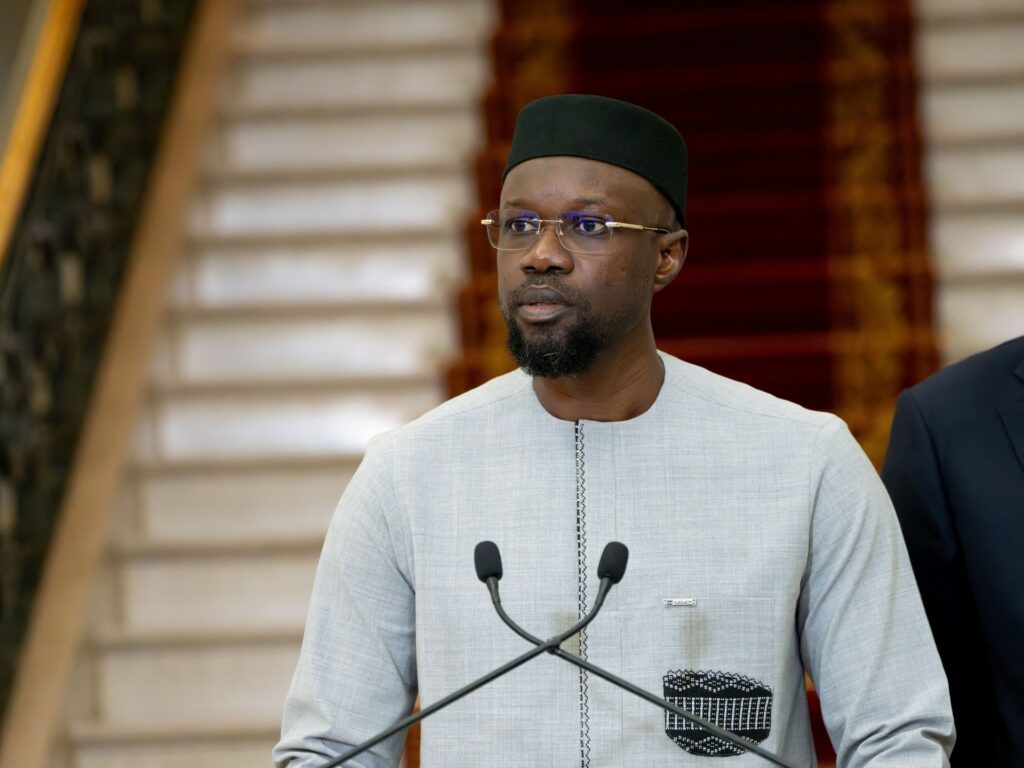
In a recent speech that has sparked international debate, the Prime Minister of Senegal has strongly condemned what he described as the West’s imposition of ‘homosexual tyranny’ on African nations. This statement comes amid growing tensions over Senegal’s strict legislation targeting same-sex relationships, a move that has drawn widespread criticism from human rights organizations globally.
The Prime Minister articulated his stance during a public address, emphasizing the importance of preserving Senegalese cultural and social values against external influences. He argued that the government’s legislation is a necessary measure to maintain societal norms and protect the country’s traditional way of life.
Senegal’s law criminalizes consensual same-sex acts, imposing heavy penalties on those found guilty. The government asserts that these laws reflect the prevailing moral and cultural perspectives of the majority in the country. However, this legislation has been met with vehement opposition from human rights groups who argue that it violates fundamental freedoms and promotes intolerance.
Human rights organizations have condemned the Senegalese government’s crackdown on the LGBTQ community, describing it as a regression in human rights advancements. They contend that the laws foster an environment of discrimination, fear, and violence against sexual minorities.
The international community has also expressed concern over Senegal’s stance. Various Western governments and global institutions have called for the repeal of these controversial laws, urging Senegal to uphold commitments to human rights and equality.
Advocates for LGBTQ rights emphasize that criminalization of same-sex relationships infringes upon personal freedoms and goes against international human rights standards. They highlight the need for Senegal to consider reforms that protect all citizens regardless of their sexual orientation.
Meanwhile, supporters of the government’s position maintain that Western nations are imposing values and lifestyles that conflict with African traditions. They view opposition to the legislation as an affront to national sovereignty and cultural identity.
The debate in Senegal reflects a larger conversation occurring across many African countries, where governments are balancing international pressure with local societal attitudes toward LGBTQ rights. This conflict underscores the complexities of globalization, cultural relativism, and human rights discourse.
As Senegal navigates these challenges, the outcomes will likely influence regional policies and set precedents for how African nations address LGBTQ issues. The Prime Minister’s recent remarks have intensified dialogue on the balance between respecting cultural values and embracing universal human rights.
Observers suggest that sustained dialogue between the government, civil society, and international stakeholders is essential to find pathways that respect both cultural sensibilities and the rights of all individuals.
The controversy surrounding Senegal’s legislation is a vivid example of the global struggle over LGBTQ rights and the varying perspectives on moral governance. It calls attention to the ongoing need for nuanced discussions that reconcile cultural identity with fundamental human rights commitments.