Irish activist Caitriona Graham has shared her harrowing experience of violent treatment following the controversial Gaza flotilla raid. The raid, which took place as a convoy of ships attempted to break the Israeli blockade of Gaza, led to significant international outcry due to the use of force by Israeli commandos.
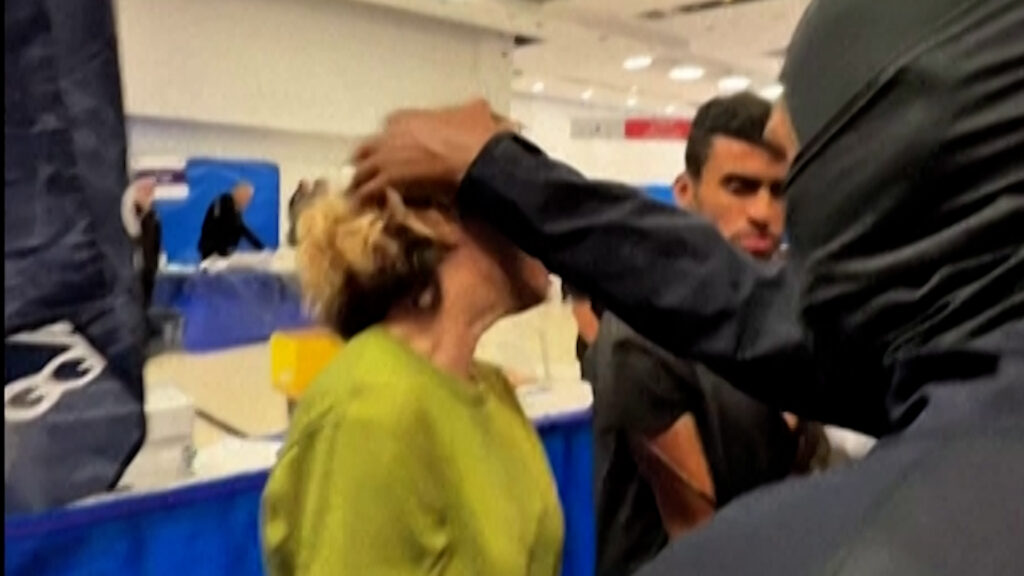
Caitriona Graham, who was aboard one of the flotilla vessels, described the aggressive actions taken against the activists during and after the raid. According to her account, the Israeli forces boarded the ship in a manner she characterized as brutal and forceful, resulting in chaotic and violent encounters.
She detailed incidents where activists were physically assaulted, restrained aggressively, and subjected to harsh treatment while being detained. Graham emphasized that the violence was not limited to the initial boarding but continued during the subsequent detention and transportation.
This account aligns with reports from other participants and human rights organizations, which have condemned the raid for excessive use of force and violations of international law. The flotilla, intended to challenge the blockade and deliver humanitarian aid, ended in tragedy and heightened tensions, spotlighting the plight of Gaza and the complexities of the Israeli-Palestinian conflict.
The raid resulted in deaths and injuries, drawing condemnation from governments and activists worldwide. Graham’s testimony contributes to growing calls for thorough investigations and accountability concerning the incident.
The international community remains divided on the issue, with some defending the blockade for security reasons and others criticizing it as a form of collective punishment.
Graham’s experience sheds light on the personal risks faced by activists engaged in politically charged humanitarian missions and underscores the ongoing struggle for human rights and peace in the region.
Her account has inspired further dialogue and advocacy efforts focused on ending the blockade and promoting a resolution that respects the dignity and rights of all parties involved.
The incident has also sparked debates over maritime law, the rights of activists, and the obligations of states during such confrontations.
As the situation continues to evolve, the voices of those like Caitriona Graham are crucial in informing public understanding and influencing diplomatic efforts aimed at resolving the enduring conflict.
Her story serves as a poignant reminder of the human dimension behind geopolitical disputes and the courage of individuals standing up against perceived injustice in pursuit of peace and humanitarian aid.