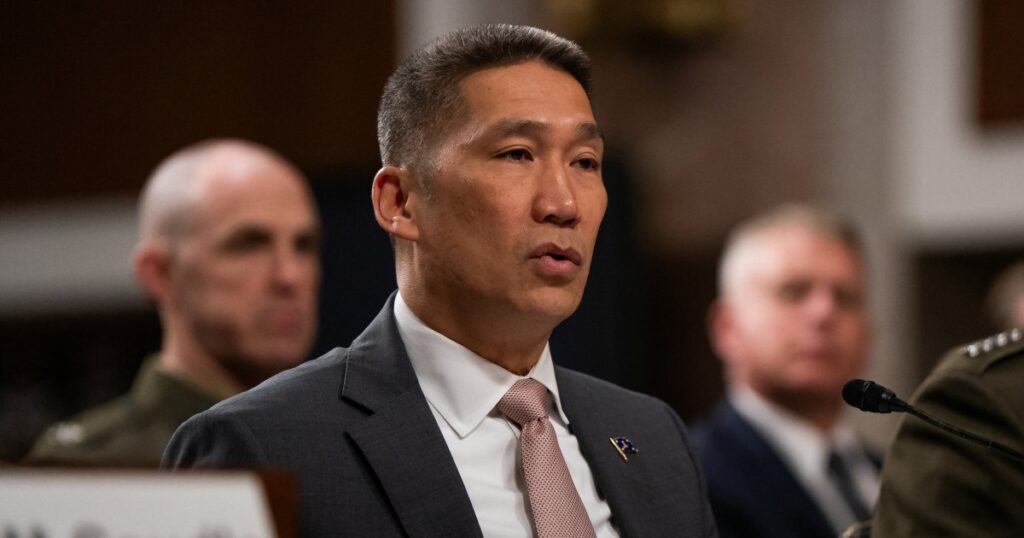
The United States has decided to pause a $14 billion arms sale to Taiwan, a move attributed to the ongoing conflict involving Iran. Acting Navy Secretary Hung Cao revealed that this decision comes amid the heightened tensions and strategic recalibrations related to the Iran war.
This development is significant as it reflects the delicate balance the US government is trying to maintain in its foreign policy, especially in regions with conflicting interests. Taiwan, a key US ally in Asia, has been in line to receive advanced weaponry, which has been seen as a move to bolster its defense capabilities against potential threats from China.
However, the outbreak of hostilities in Iran has compelled the US administration to reconsider its arms distribution priorities. This pause in the arms sale underscores how global conflicts can have cascading effects on international arms agreements and diplomatic relations.
Adding complexity to the situation, President Donald Trump has given mixed signals regarding the sale. His contradictory statements have left allies and observers uncertain about the US’s firm stance on supporting Taiwan militarily. While some statements indicated a continued commitment to Taiwan’s defense, others suggested a more cautious approach due to the broader geopolitical challenges posed by the Iran conflict.
Experts believe that the pause not only affects Taiwan’s defense procurement plans but also sends a message to both Beijing and Tehran. For China, it indicates that the US may be prioritizing its Middle East strategy over its Asia-Pacific commitments temporarily. For Iran and its allies, it signals the US’s readiness to divert resources to manage critical hotspots.
The decision to pause this substantial arms deal comes at a time when Taiwan faces increasing pressure and military posturing from China. The island’s strategic importance in the Indo-Pacific region is well recognized, and US arms sales have historically served as a deterrent to potential aggression.
Despite the pause, US officials affirm that they remain committed to Taiwan’s security and are exploring alternative measures to maintain the balance of power in the region. This includes diplomatic efforts and reassurance partnerships with other regional allies.
The reaction within Taiwan has been cautious but concerned. Taiwanese government representatives have expressed understanding of the global security context but emphasized the need for continued support from the US amid growing security threats.
Internationally, the pause has sparked debates on the impact of global conflicts on bilateral arms agreements. Analysts warn that protracted crises like the Iran war can disrupt longstanding defense relationships and complicate efforts to maintain regional stability.
In summary, the US’s decision to pause a $14 billion arms sale to Taiwan due to the Iran war highlights the interconnectedness of global security issues. It reveals the challenges in balancing commitments across different regions while managing emerging conflicts. The mixed signals from President Trump add an element of unpredictability, emphasizing the fluid nature of international military and diplomatic engagements.
As the situation continues to evolve, all eyes will be on Washington and Taipei to see how they navigate this complex scenario. The broader implications for US-China-Taiwan relations and Middle East policy remain to be fully seen, but the current pause marks a significant moment in recent geopolitical developments.