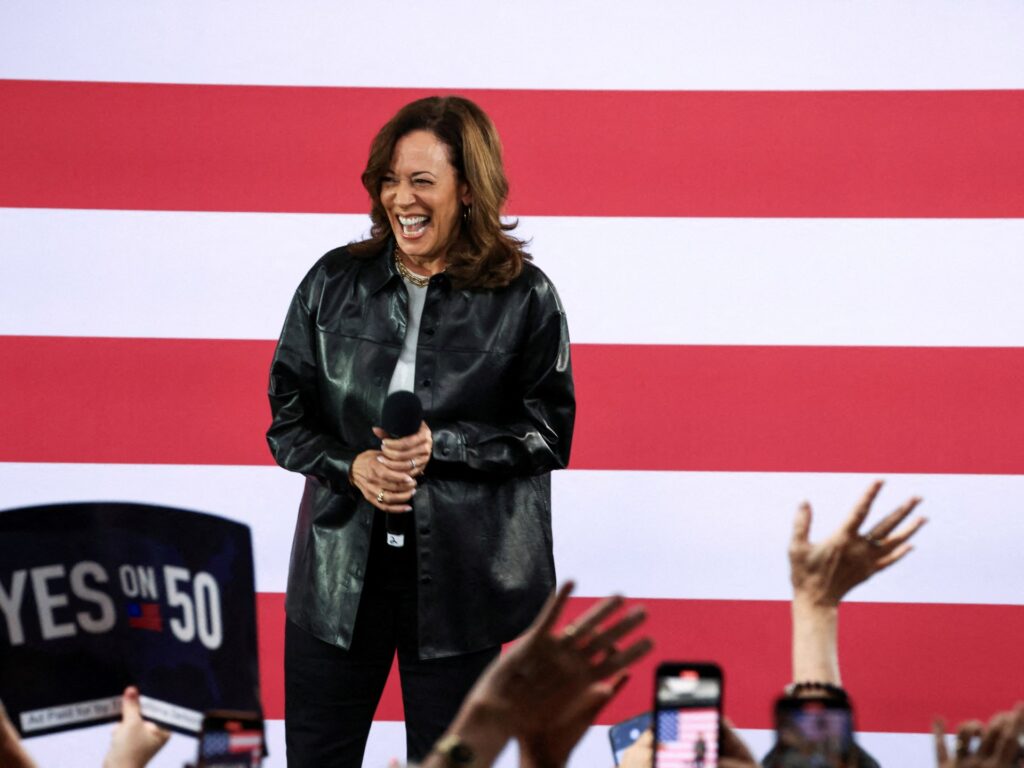
The recently released autopsy report by Democrats analyzing Kamala Harris’s 2024 election defeat to Donald Trump offers a comprehensive yet flawed examination of the factors contributing to the loss. Spanning 192 pages, the document is riddled with mistakes and lacks critical sections, most noticeably omitting any reference to the Gaza conflict, a significant global issue at the time.
Here are five key takeaways from the report:
1. **Campaign Strategy Shortcomings:** The report highlights fundamental flaws in Harris’s campaign strategy, focusing on messaging and voter outreach. Despite efforts to engage diverse demographics, the campaign failed to sufficiently mobilize key swing voter groups.
2. **Communication and Messaging Errors:** A significant portion of the report details how inconsistent and unclear communication undermined public confidence. Mixed messages on policy priorities and leadership created confusion among voters.
3. **Data and Analytics Failures:** The document reveals failures in leveraging data analytics effectively. Misinterpretation of polling data and misinformation led to ineffective allocation of resources and campaign efforts.
4. **Organizational and Staffing Issues:** Internal discord and poorly coordinated campaign management are cited as major contributors to operational inefficiencies. Turnover among key staff disrupted consistent messaging and campaign momentum.
5. **Missing Context and Blind Spots:** The most glaring omission in the report is the absence of any discussion regarding the Gaza conflict, although it was a potent factor influencing voter sentiment and international relations during the election cycle. This oversight reflects a potential underestimation of foreign policy’s impact on domestic elections.
While the autopsy report attempts to provide a detailed analysis of Kamala Harris’s loss, the presence of numerous errors and critical blind spots suggest an incomplete understanding of the multifaceted dynamics at play. Democrats are expected to use these findings to recalibrate their strategies and address the shortcomings to better position themselves for future electoral contests.
The document serves both as a mirror reflecting past missteps and a blueprint that hopefully will guide the party towards more effective campaigning and narrative control in subsequent elections.