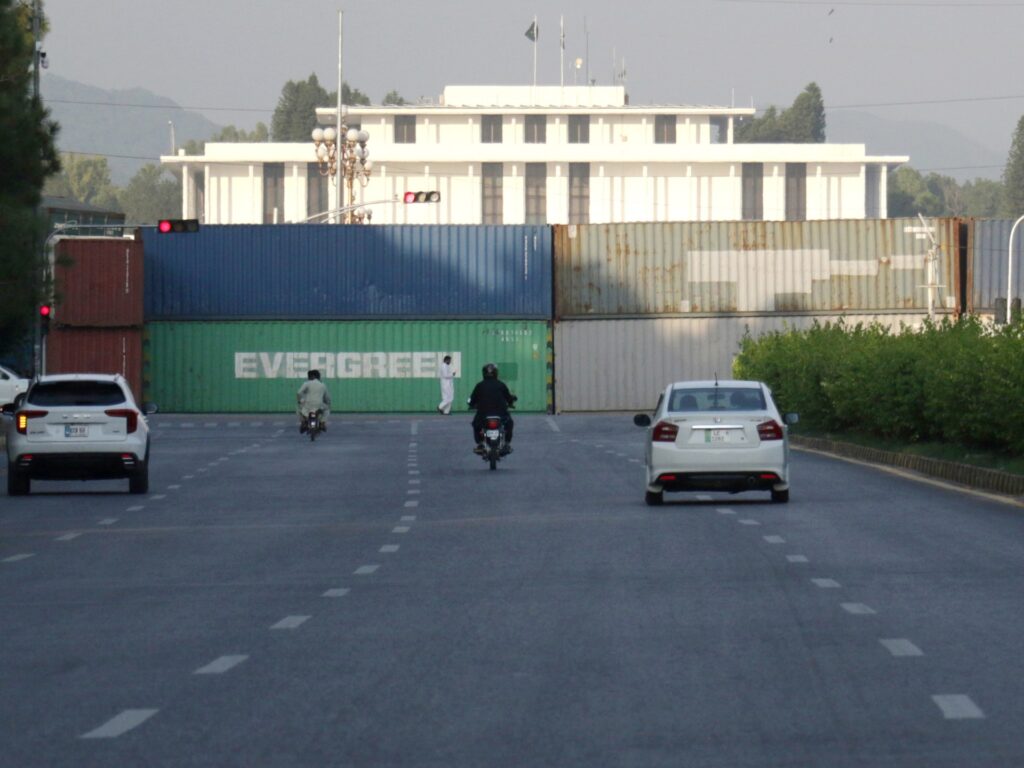
In a tense political climate, Pakistan’s government has imposed stringent security measures ahead of a planned march by the Pakistan Tehreek-e-Insaf (PTI) party to demand the release of former Prime Minister Imran Khan. Authorities have blocked key highways leading to the capital, Islamabad, and installed container barriers to prevent large gatherings and potential unrest. This preparation comes as part of a broader crackdown aimed at curbing the influence and mobilization capability of PTI supporters.
The march, organized by Imran Khan’s party, is reportedly in response to his detention and various legal challenges he faces. The government views the protest as a potential source of widespread disruption and has labeled it a significant security risk. In response, law enforcement agencies are on high alert, with additional personnel deployed along strategic routes and critical infrastructure points.
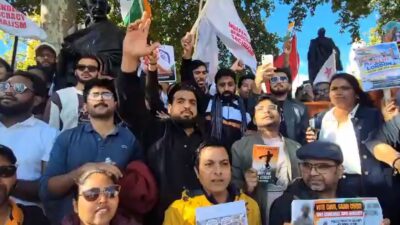
Khan’s supporters, however, describe the government’s actions as oppressive and an attempt to silence dissent. They argue that the protests are a legitimate expression of public frustration and political dissatisfaction. The PTI leadership has urged peaceful demonstrations but has vowed to continue their campaign for Khan’s freedom and political reinstatement.
The situation highlights the deepening political divide within Pakistan, with both sides entrenched in an escalating confrontation. Analysts warn that such measures could further inflame tensions and potentially lead to violent encounters, raising concerns among human rights groups and international observers.
In recent weeks, the government has intensified its crackdown not only against PTI rallies but also in the media and civil society, seeking to control the narrative surrounding Khan’s detention. Critics accuse the administration of using state machinery to stifle opposition voices and undermine democratic norms.
Meanwhile, Khan remains a polarizing figure in Pakistan’s politics, admired by many for his anti-corruption stance and criticized by others for his governance record. His detention has ignited widespread debate about rule of law, political freedom, and the future stability of the country.
As Islamabad braces for the march, the coming days are likely to be critical in determining the course of Pakistan’s political trajectory. The government’s preemptive crackdown underscores its prioritization of maintaining order but also risks exacerbating societal divisions. Observers worldwide are watching closely, concerned about the possibility of escalating unrest in a nation already grappling with numerous economic and security challenges.
The unfolding events serve as a stark reminder of the fragile state of democracy in Pakistan and the ongoing struggle for political power and justice within its borders.