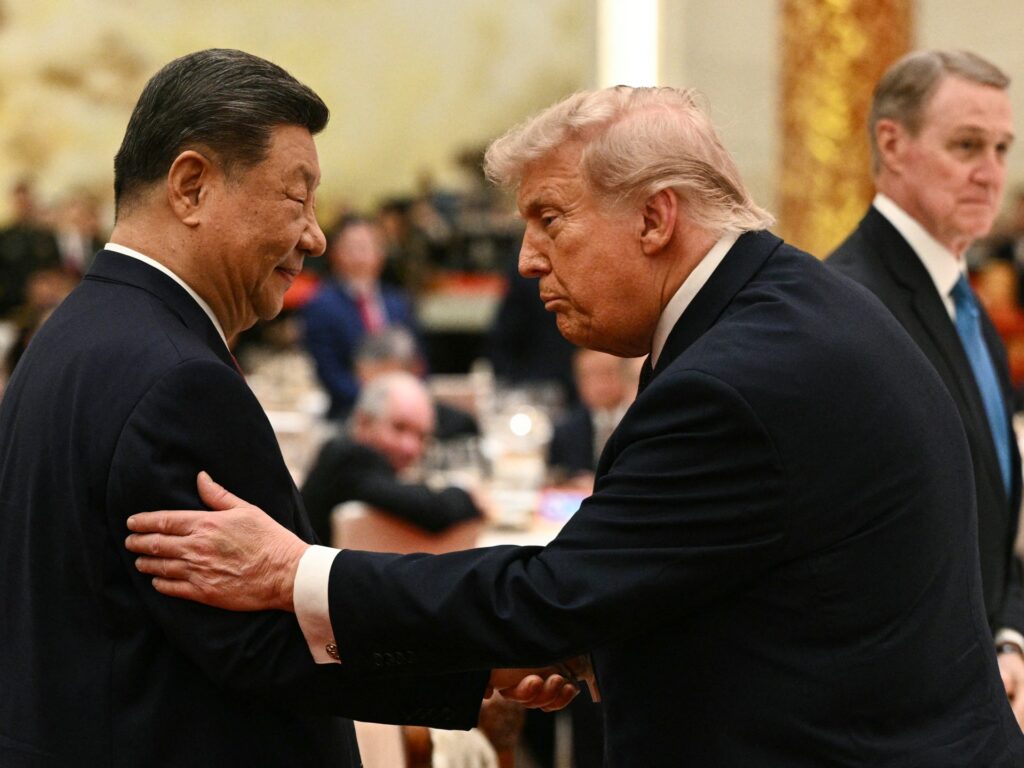
At a high-profile summit held in Beijing, Chinese President Xi Jinping issued a stark warning to then-US President Donald Trump regarding the sensitive issue of Taiwan. Xi cautioned that any disagreement or conflict related to Taiwan could lead to a seriously dangerous deterioration in China-U.S. relations.
The summit marked a critical moment in the diplomatic relations between the United States and China, two of the world’s most powerful nations. Tensions over Taiwan have long been a contentious topic; Taiwan is viewed by China as a breakaway province that must eventually be reunified with the mainland, while the U.S. has maintained a policy of strategic ambiguity to support Taiwan’s autonomy without formally recognizing it as a separate country.
Xi underscored the importance of respecting China’s sovereignty and territorial integrity during the discussions, highlighting that issues concerning Taiwan are ‘extremely sensitive’ and ‘should be handled with caution.’ He warned that mishandling these issues may lead to ‘significant consequences’ that could threaten the overall cooperative relationship between China and the United States.
On the other hand, President Trump reaffirmed the U.S. commitment to peace and stability in the Taiwan Strait, but he also emphasized America’s interests in supporting democratic values and ensuring freedom in the region. Despite the tension over Taiwan, both leaders expressed a desire to manage differences constructively and maintain open channels of communication.
Observers noted that the Beijing summit revealed the underlying challenges in the bilateral relationship, particularly with rising nationalism and competing global interests. Taiwan remains a flashpoint where geopolitical strategies, military posturing, and international diplomacy intersect.
The dialogue between Xi and Trump also touched upon other vital aspects of their partnership, including trade, technology, and regional security issues. However, Taiwan was undoubtedly the focal point, reflecting its strategic significance and the risk it poses to international stability.
Experts suggest that China’s firm stance on Taiwan at the summit sends a clear message to the U.S. regarding the limits of acceptable engagement with the island. Meanwhile, the U.S. administration faces complex decisions balancing deterrence, diplomacy, and alliance commitments.
As the world watches these developments, the call for peaceful resolution and respect for international norms becomes more urgent. The Taiwanese question continues to challenge diplomats at the highest levels, demanding nuanced and careful handling to prevent escalation.
In summary, the Beijing summit highlighted the delicate balancing act required between China and the United States concerning Taiwan. President Xi’s warning to President Trump serves as a reminder of the sensitive nature of Taiwan’s status and the potential consequences of diplomatic missteps. Both nations must tread carefully to preserve stability and avoid pushing their relationship down a perilous path.