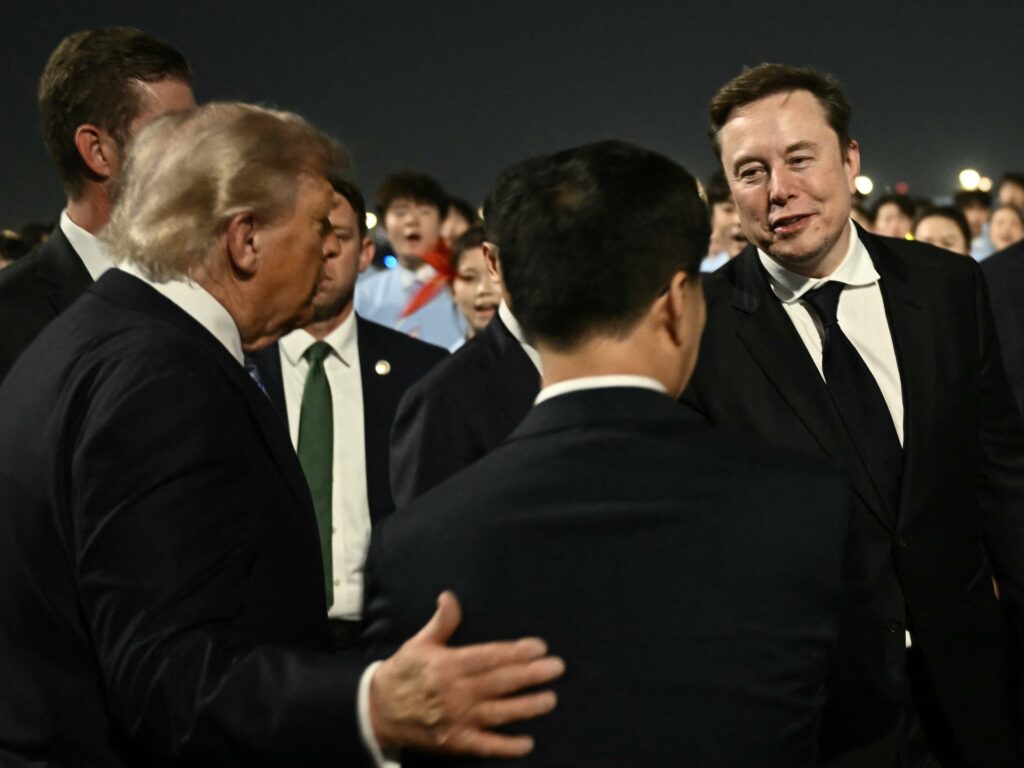
As former President Donald Trump seeks to make significant political gains ahead of the upcoming midterm elections, several US CEOs have aligned themselves with his efforts in China. This movement, involving top executives from prominent American companies, is driven by the mutual goal of expanding business opportunities within one of the world’s largest and fastest-growing markets.
The involvement of US CEOs with Trump in China primarily reflects their strategic interest in tapping into China’s expansive consumer base and industrial potential. Despite the tense geopolitical climate between the United States and China, these business leaders view engagement as a pathway to secure new contracts, partnerships, and market access essential for sustained growth.
Leading American companies operating in sectors such as technology, manufacturing, and consumer goods have expressed optimism about deepening their presence in China. By supporting Trump’s approach, which emphasizes negotiation and recalibration of trade terms rather than isolation, these CEOs aim to influence policy directions that favor open markets and reduced barriers.
For these executives, the stakes are substantial. China’s robust economy offers vast opportunities, but it also presents challenges like regulatory complexities, competition from local firms, and political uncertainties. Aligning with Trump, they hope to leverage his influence to gain competitive advantages and clarify trade rules that have previously hindered business operations.
Moreover, the midterm elections serve as a critical juncture for reevaluating US-China relations. A victory for Trump and his allies could lead to policies that blend economic engagement with strategic caution. US CEOs supporting this position anticipate a more predictable business environment, enabling long-term investments and expansion plans.
Additionally, these CEOs benefit from the visibility and access that come with being part of high-profile diplomatic and economic missions. Such involvement can facilitate dialogues with Chinese government officials, helping them to address operational challenges and explore collaborative projects.
However, this alignment is not without risks. Companies must navigate public perceptions both domestically and internationally, balancing political affiliations with their brand reputation. The evolving US-China dynamic also means that business conditions could change rapidly, requiring agility and contingency planning.
In summary, US CEOs collaborating with Trump in China are motivated by the prospect of capitalizing on growth opportunities while influencing trade policies in their favor. Their engagement underscores the complex interdependence between economic interests and political strategies amid global power shifts. As the midterm vote approaches, these executives remain focused on securing wins that ensure their enterprises thrive in the competitive Chinese market.