The Trump administration has made a significant offer to Cuba, proposing $100 million in aid in exchange for political and economic reforms on the island. This move comes amid escalating tensions and an ongoing oil blockade that has severely impacted Cuba’s economy and daily life for its citizens.
The U.S. government, under President Donald Trump, has attributed the hardships faced by Cuba primarily to the communist leadership that has been in power for decades. Washington claims that the Cuban government’s refusal to implement meaningful reforms is standing in the way of much-needed international aid reaching ordinary Cubans.
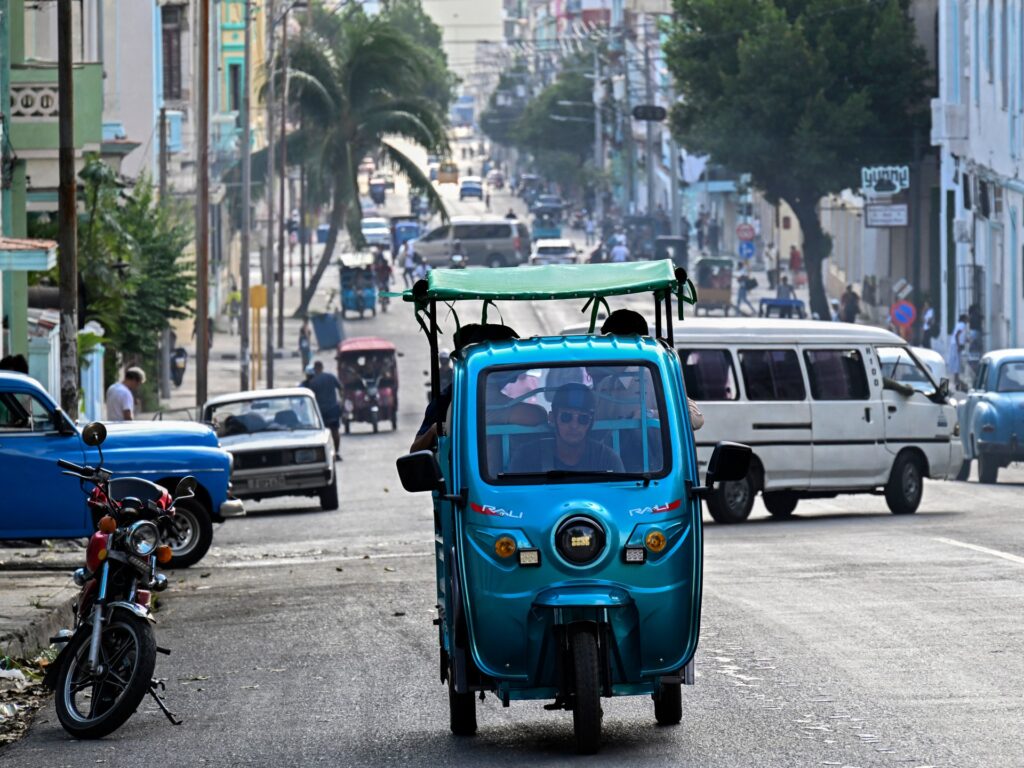
The oil blockade has exacerbated existing economic challenges on the island, affecting transportation, electricity, and the availability of essential goods. The Trump administration argues that the aid offer aims to alleviate the suffering of the Cuban people while simultaneously encouraging the Cuban government to adopt policies that promote freedom, democracy, and economic openness.
This aid package is conditioned on Cuba taking concrete steps toward political reform and relaxing its tight control over the economy and civil society. The U.S. hopes this will lead to improvements in human rights and greater political freedoms for Cubans who have long lived under an authoritarian regime.
However, the Cuban government has rejected these overtures, dismissing the aid offer as an attempt to undermine its sovereignty and impose foreign conditions on its internal affairs. Cuba’s leadership insists that the ongoing economic difficulties are the result of U.S. sanctions and blockade practices rather than its own governance.
International observers have expressed mixed reactions to the move. Some welcome the potential alleviation of suffering in Cuba, while others criticize it as a political maneuver designed to pressure Cuba into aligning more closely with U.S. interests.
The historical context of U.S.-Cuba relations plays a crucial role in this development. Decades of hostility, including the long-standing embargo, have shaped the dynamics between the two countries. The Trump administration’s current policies reflect a hardening stance compared to the previous administration’s more conciliatory approach toward Cuba.
The offer of $100 million in aid is seen as a strategic incentive by the Trump administration, leveraging economic support to push for change while maintaining restrictive measures such as the oil blockade.
As the situation develops, the international community continues to watch closely, mindful of the potential regional and geopolitical impacts. The question remains whether this aid offer and accompanying conditions will prompt Cuba to reconsider its political path or deepen the divide between Havana and Washington.
In summary, the Trump administration’s $100 million aid offer to Cuba symbolizes a complex intersection of humanitarian concern and geopolitical strategy. While offering support to alleviate economic hardship, it simultaneously seeks to compel reform in a country long governed by communist rule, underlining the continuing tensions in U.S.-Cuba relations.