In a significant legal action, a group of Memphis residents has filed a lawsuit accusing a Trump-backed task force of misconduct and abuse of power. The lawsuit claims that the task force, which is composed of various state and federal agencies, engaged in harassment against bystanders who were recording the task force’s enforcement activities.
The residents, who have chosen to remain partially anonymous due to fears of retaliation, assert that the task force’s actions are not only a violation of their civil rights but also a disturbing abuse of authority. The task force was initially formed to address specific law enforcement and safety concerns in the Memphis area, under the endorsement of former President Donald Trump.
According to the lawsuit, the incident occurred during several operations conducted by the task force where members allegedly intimidated and threatened individuals holding cameras or smartphones. These bystanders were reportedly trying to document the task force’s enforcement efforts, activities which are typically protected under the First Amendment rights to free speech and press.
The complaint highlights a pattern of aggressive behavior from the task force personnel, indicating that these incidents were not isolated. Some plaintiffs recount experiences where task force members confiscated or deleted footage without warrants or consent. Others describe being physically blocked or verbally threatened when attempting to record.
Civil rights advocates have expressed concern over these allegations, emphasizing the importance of transparency and accountability in law enforcement activities. They argue that citizen journalism and video recordings play a crucial role in monitoring police conduct and ensuring public safety.
The Trump-backed task force was established as a collaborative effort among federal agencies like the Department of Homeland Security, state law enforcement, and local authorities, purportedly to curb crime and enforce laws more effectively. While proponents of the task force argue that it has enhanced public safety, critics contend that it operates with little oversight and has encroached on residents’ rights.
The lawsuit demands a thorough investigation into the task force’s behavior and seeks remedies that would include clear guidelines on citizen interactions, reaffirmation of constitutional protections, and possibly punitive measures against those found responsible for the harassment.
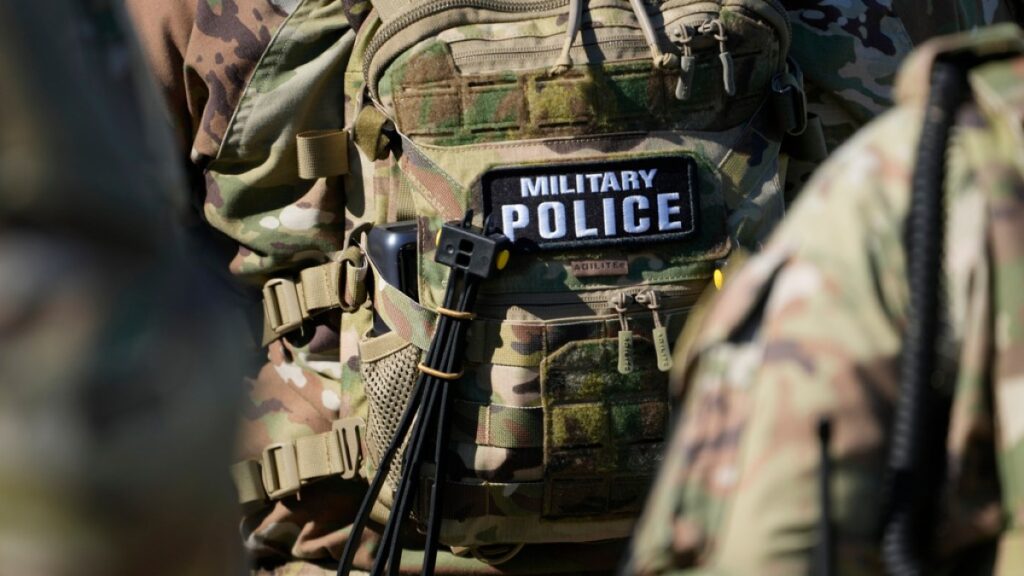
This legal challenge comes amid broader national debates about the role and conduct of law enforcement agencies, especially those operating with federal backing but deployed locally. The Memphis case underscores ongoing tensions between community members and task forces that are sometimes viewed as militarized or heavy-handed.
Legal experts note that this lawsuit could set an important precedent regarding the limits of task force powers and the protections afforded to civilians engaged in recording public officials. Should the courts rule in favor of the plaintiffs, it may prompt changes in policies governing such task forces nationwide.
As the case moves forward, both sides prepare for intensive litigation. The plaintiffs aim to highlight issues of accountability and civil liberties, while the task force representatives maintain that their actions were lawful and necessary for maintaining order.
The Memphis residents’ lawsuit is a critical reminder of the fundamental balance between enforcement and the preservation of individual rights, spotlighting the challenges that arise when those tasked with ensuring security are perceived to overreach their authority.