The ongoing conflict involving Iran is having surprising and far-reaching environmental consequences, particularly threatening whale populations near South Africa. Although geographically distant, the Iran war is intensifying traffic in global shipping lanes as nations adjust their maritime routes to avoid conflict zones in the Middle East. This increased shipping traffic near South African waters is resulting in a higher risk of ship strikes on local whale species.
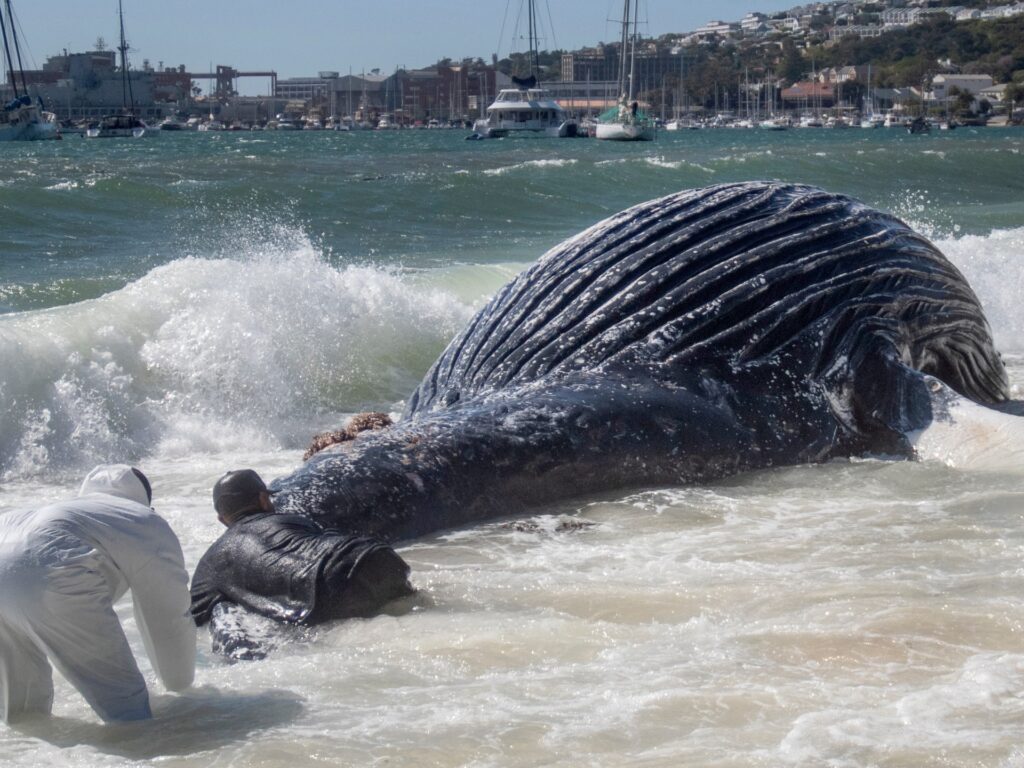
Whales in the waters off South Africa, including the southern right whale and humpback whale, rely on these regions for breeding and feeding. Traditionally, these marine animals have been relatively safe from frequent ship interactions due to lower traffic volumes and established shipping routes away from critical whale habitats. However, changes triggered by the Iran war, such as rerouted commercial and cargo vessels, have increased the density of marine traffic through key whale habitats.
Ship strikes are a serious threat to whales, often causing injury or death. Collisions with large vessels can be fatal due to the immense force and speed involved. Moreover, the increased noise from intensified shipping disrupts whale communication and navigation, further endangering these marine mammals. Noise pollution from ships interferes with whales’ echolocation abilities, essential not only for locating food but also for social interaction and avoiding predators.
Experts warn that the shift in maritime traffic patterns could have devastating effects on whale populations near South Africa if not addressed promptly. Conservation groups urge international cooperation to establish safer shipping lanes and implement speed restrictions in areas known for whale activity to reduce the likelihood of fatal collisions.
Mitigation measures proposed include deploying real-time tracking systems to alert ships of whale presence, establishing marine protected areas with limited or no shipping, and increasing monitoring efforts to gather data on whale movements relative to ship traffic.
The Iran war’s indirect ecological impact highlights the interconnectedness of geopolitical conflicts and environmental health. Protecting whales near South Africa requires a concerted effort by the maritime industry, governments, and environmental organizations to balance security concerns with the urgent need to preserve vulnerable marine ecosystems.
In conclusion, while the Iran war primarily represents a geopolitical crisis, its ripple effects are posing emergent threats to whale populations far beyond its immediate locale. The increase in shipping traffic around South Africa threatens to escalate ship strikes and disrupt marine life, underscoring the global nature of environmental challenges linked to regional conflicts.