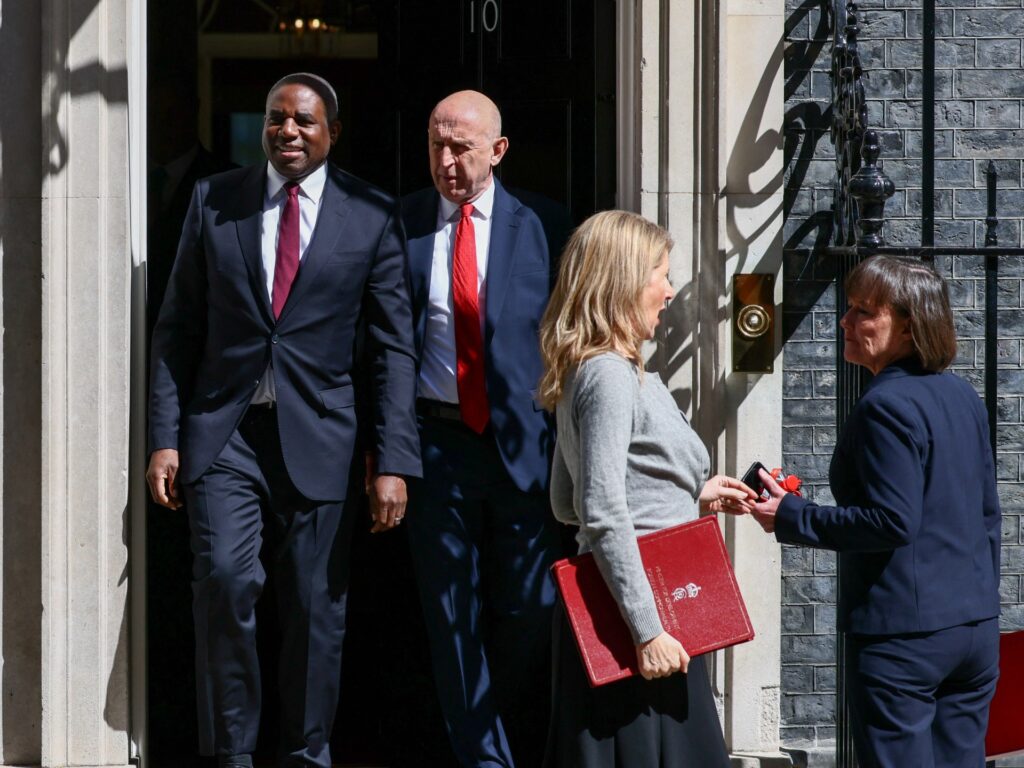
The United Kingdom is witnessing a significant political upheaval as Prime Minister Keir Starmer confronts mounting pressure following recent electoral setbacks for the Labour Party. Several ministers have tendered their resignations in the wake of the disappointing election results, signaling deep fractures within the party. The situation has escalated with numerous Members of Parliament (MPs) openly calling for the resignation of the Prime Minister, reflecting growing dissatisfaction and urgent demands for change in leadership.
The Labour Party’s losses in the elections have sparked intense debate about the direction and future of the party under Starmer’s leadership. Critics argue that the recent strategy and policies may have alienated key voter bases, resulting in poor performance at the polls. This political crisis not only threatens Starmer’s position as Prime Minister but also challenges the unity and stability of the Labour Party during a crucial period.
Ministerial resignations have added fuel to the fire, with prominent figures stepping down, citing concerns over leadership effectiveness and direction. These departures reflect rising internal tensions and a lack of confidence in the current government’s approach to governance. Each resignation amplifies the pressure on Starmer to reconsider his role and strategy moving forward.
MPs from various factions of the Labour Party have voiced their discontent loud and clear. Calls for the Prime Minister to resign are gaining momentum, with some advocating for an immediate leadership contest to restore the party’s credibility and cohesion. This increasing factionalism within the party poses challenges for its future electoral prospects and policy implementation.
Political analysts suggest that this turmoil could have far-reaching implications for the UK’s political landscape. An extended period of instability within the ruling party may weaken its effectiveness in addressing national issues such as the economy, healthcare, and international relations. Moreover, opposition parties might seize the opportunity to capitalize on Labour’s vulnerabilities in upcoming parliamentary proceedings.
The public reaction to the crisis has been mixed, with some constituents expressing frustration over perceived political instability, while others remain hopeful that the party will navigate through this difficult period and emerge stronger. Observers note that the coming weeks will be critical in determining Starmer’s political future and the Labour Party’s trajectory.
Efforts at damage control are reportedly underway, with party officials attempting to mediate between conflicting groups and maintain a united front. Discussions about potential leadership changes or policy shifts are ongoing, aiming to address the root causes of the electoral losses and restore public trust.
In conclusion, Prime Minister Keir Starmer’s leadership is under intense scrutiny amid a mounting crisis marked by ministerial resignations and calls from MPs for him to step down. The Labour Party faces a tumultuous path ahead as it seeks to resolve internal conflicts and regain political momentum. The developments in the UK parliament and within the Labour Party during this period will be pivotal in shaping the country’s political future and governance.