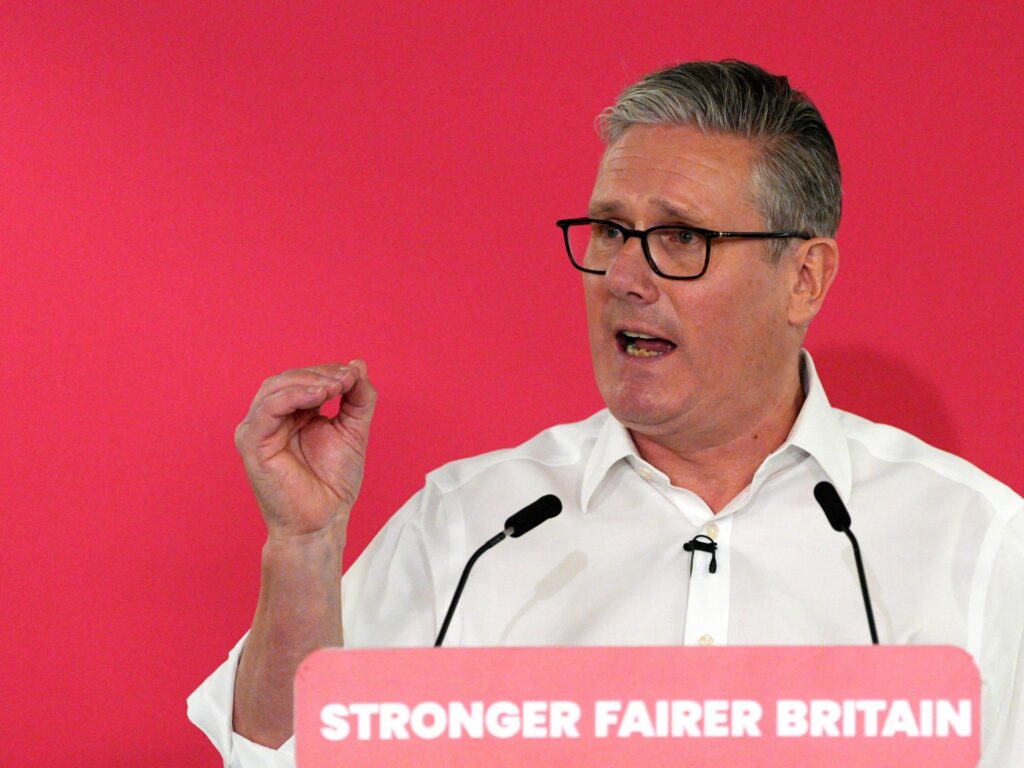
Amid escalating political pressure, UK Prime Minister Keir Starmer remained resolute and defiant at a recent cabinet meeting, refusing to step down despite growing calls for his resignation. The meeting, held at the height of intensified political turmoil, saw some cabinet members openly voicing their support for Starmer, signaling a divided but steadfast leadership team.
The mounting pressures stem from ongoing controversies and public dissatisfaction, which have been climaxing over recent weeks. Opposition parties and some critics within the government have intensified their calls for Starmer to resign, citing a loss of confidence in his leadership capabilities. However, Starmer’s firm stance indicates his determination to weather the storm and continue pursuing his policy agenda.
Critical cabinet members have taken a complex stance: while some are urging Starmer to consider stepping down to restore unity and public trust, others have expressed an unwavering commitment to his leadership. This split has highlighted the tensions within the ruling party but has also underscored a significant faction of loyalty toward Starmer.
Observers note that Starmer’s refusal to resign may be aimed at projecting strength and stability amid volatile political circumstances. By standing firm, he hopes to consolidate his position and possibly regain political momentum as external and internal pressures mount.
The cabinet meeting was marked by intense discussions surrounding the future of the government and strategies to address the mounting crisis. Supporters argue that stepping down at this juncture could lead to greater instability and that Starmer’s continued leadership is essential for navigating the country through challenging times.
Conversely, dissenters within the party warn that failure to address the internal discontent could lead to further divisions and weaken the government’s effectiveness. The balancing act between demonstrating unity and managing dissent remains a critical challenge for Starmer and his cabinet.
Political analysts view this episode as a pivotal moment for the UK government, with Starmer’s resilience being tested against increasing opposition both within and outside the party. How he navigates this crisis may define the trajectory of his premiership and influence the political landscape going forward.
In the coming weeks, attention will focus on how Starmer and his cabinet will manage the growing calls for change, maintain cohesion among party members, and respond to public sentiment. The outcome of this ongoing political drama could have significant implications for the UK’s governance and Starmer’s legacy as a leader.
For now, Starmer’s defiance signals a refusal to be easily dethroned and a commitment to face the challenges head-on, a stance that could either solidify his authority or deepen existing fractures within his government. The next steps taken by both supporters and opponents will be crucial in shaping the future political scenario.