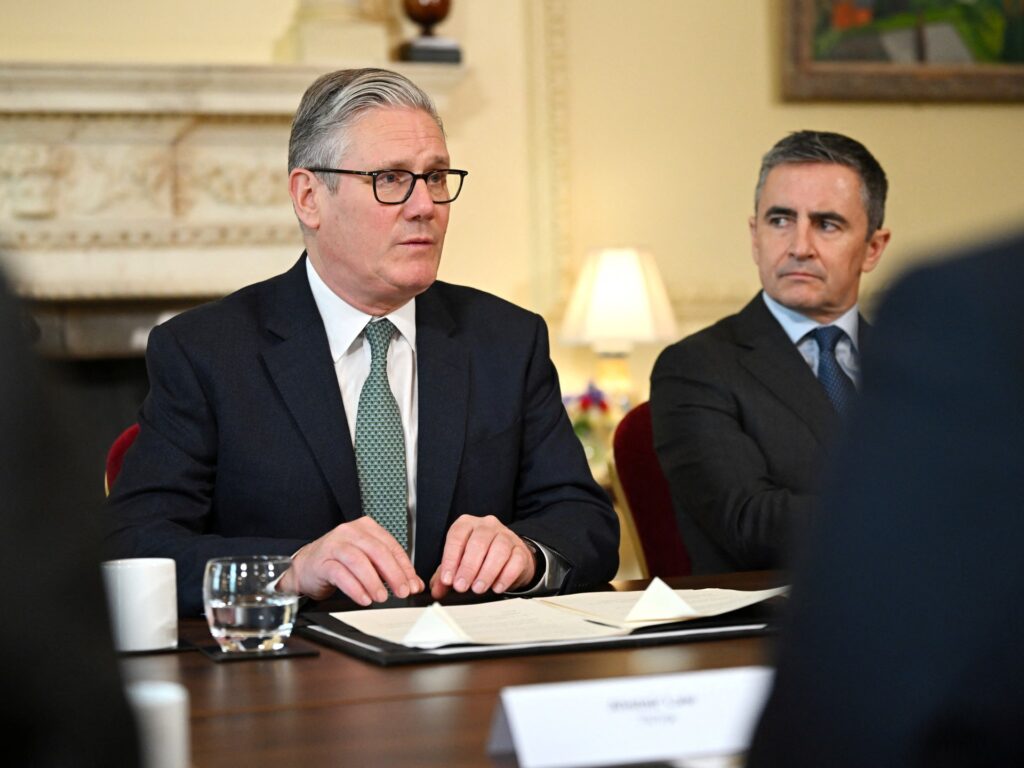
The British Prime Minister Keir Starmer is currently embroiled in a serious political crisis following disappointing results for the Labour Party in recent elections. The situation has escalated sharply with a number of ministers tendering their resignations, signaling deep turmoil within the government.
The unrest within the party reflects growing dissatisfaction with Starmer’s leadership and the direction in which he is steering the Labour Party. This crisis has not only exposed internal factional divisions but also amplified calls for a change at the top, as 80 Members of Parliament have officially urged Prime Minister Starmer to step down.
The electoral losses that precipitated this crisis are seen as a significant setback for Labour, affecting their standing and influence nationwide. These results have pressured Starmer, with critics arguing that maintaining his position is untenable given the current political climate and party confidence.
The resignations by ministers add to the instability, potentially hindering the government’s ability to function effectively. These departures are raising questions about the future of the Labour administration and its capacity to deliver on its policies amid ongoing internal conflict.
This critical juncture places Starmer’s leadership under microscope, with opposition parties and the media scrutinizing every move closely. Political analysts suggest that if the pressure continues to mount, it could lead to a leadership contest within Labour or force a general election under difficult circumstances.
The public response to the crisis remains mixed, with some supporting calls for new leadership to bring fresh ideas and direction, while others advocate for stability and collective effort to rebuild trust and policy coherence.
As the situation develops, all eyes remain on Starmer and the unfolding political dynamics. How he navigates this turmoil could determine the Labour Party’s future trajectory and its role in British politics for years to come.
This ongoing political drama highlights the fragile nature of party politics in the UK, the volatile impact of electoral performance, and the critical importance of leadership in maintaining government coherence and public trust. The coming weeks will be pivotal in setting the course for not just the Labour Party but the broader political landscape in Britain.